.png)

Headaches & Migraines
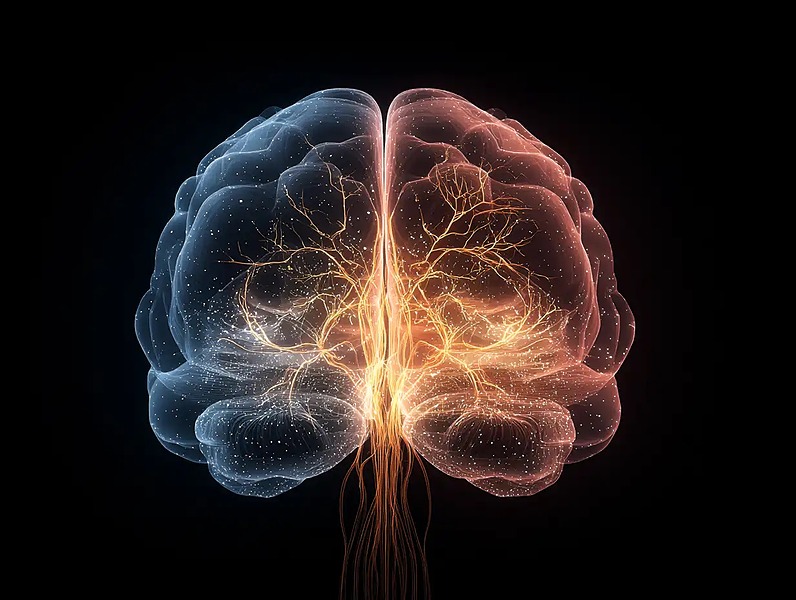
Headaches and migraines are usually managed reactively — a medication to abort an attack, perhaps a preventive prescription — without a deeper look at the neurological systems driving them. For frequent sufferers, this can become an endless cycle of treating attacks while triggers and contributors go unexamined. Migraine in particular is often undertreated and underexplained, leaving people resigned to "just living with it."
Also known as
migraine, cephalgia, cephalalgia, headache disorder, chronic headache, cervicogenic headache, medication overuse headache
ICD-10
G43 (Migraine), G44 (Other headache syndromes), G44.0 (Cluster headache / trigeminal autonomic cephalgias), R51 (Headache)
How focused education closes the gap
Clinicians trained in the neurology of headache look at the systems generating the pain, not just the pain itself.- Assess neurological, vascular, cervical, and metabolic contributors together- Identify the individual trigger and driver pattern behind recurring attacks- Translate findings into a preventive, functional neurology management plan
%
Off
<svg xmlns="http://www.w3.org/2000/svg" fill="none" viewBox="0 0 101 100"><path stroke="currentColor" stroke-linecap="round" stroke-linejoin="round" stroke-width="6" d="M21.166 56.25H79.5m-29.167 0V100M27.417 45.833v-18.75h-4.884a12.5 12.5 0 0 0-12.108 9.396L2.417 67.71v1.04h29.166V75c0 6.25 0 10.418 3.125 16.668 0 0 3.125 6.25 7.292 6.25m31.25-52.084v-18.75h4.883a12.5 12.5 0 0 1 12.109 9.396l8.008 31.23v1.04H69.083V75c0 6.25 0 10.418-3.125 16.668 0 0-3.125 6.25-7.291 6.25M26.79 18.75s-6.666-4.167-6.666-9.375a7.283 7.283 0 0 1 14.566 0c0 5.208-6.65 9.375-6.65 9.375h-1.25Zm47.084 0s6.666-4.167 6.666-9.375a7.291 7.291 0 0 0-7.291-7.292c-4.025 0-7.275 3.267-7.275 7.292 0 5.208 6.65 9.375 6.65 9.375h1.25Z"/></svg>
<svg xmlns="http://www.w3.org/2000/svg" fill="none" viewBox="0 0 120 120"><path stroke="currentColor" stroke-linecap="round" stroke-width="6" d="M98.353 18.047a56.422 56.422 0 0 1 7.442 9.023 60.989 60.989 0 0 1 5.449 10.196 56.716 56.716 0 0 1 3.34 11.074A64.591 64.591 0 0 1 115.756 60c0 3.945-.372 7.832-1.114 11.66a54.25 54.25 0 0 1-3.398 11.074 67.288 67.288 0 0 1-5.449 10.196 52.537 52.537 0 0 1-7.442 9.023m-76.706 0a56.398 56.398 0 0 1-7.441-9.023 60.906 60.906 0 0 1-5.45-10.196 56.634 56.634 0 0 1-3.34-11.074A64.49 64.49 0 0 1 4.245 60c0-3.945.37-7.832 1.113-11.66a54.235 54.235 0 0 1 3.398-11.074 67.205 67.205 0 0 1 5.45-10.196 52.516 52.516 0 0 1 7.441-9.023m60.827 15.879c3.477 3.515 6.133 7.5 7.97 11.953 1.835 4.453 2.772 9.16 2.812 14.121 0 4.922-.918 9.61-2.754 14.063-1.836 4.453-4.512 8.456-8.028 12.011m-44.948 0c-3.477-3.515-6.133-7.5-7.969-11.953-1.836-4.453-2.773-9.16-2.812-14.121 0-4.922.918-9.61 2.753-14.063 1.836-4.453 4.512-8.456 8.028-12.011M60 45.644c1.992 0 3.848.372 5.567 1.114a14.584 14.584 0 0 1 4.57 3.105 13.956 13.956 0 0 1 3.047 4.512c.703 1.68 1.093 3.555 1.172 5.625 0 1.992-.371 3.848-1.114 5.566a14.584 14.584 0 0 1-3.105 4.57 13.956 13.956 0 0 1-4.512 3.048c-1.68.703-3.555 1.093-5.625 1.172-1.992 0-3.848-.372-5.566-1.114a14.584 14.584 0 0 1-4.57-3.105 13.956 13.956 0 0 1-3.047-4.512c-.704-1.68-1.094-3.555-1.172-5.625 0-1.992.37-3.848 1.113-5.566a14.584 14.584 0 0 1 3.105-4.57 13.956 13.956 0 0 1 4.512-3.048c1.68-.703 3.555-1.093 5.625-1.172Z"/></svg>

Functional Neurology Excellence Bundle
A complete framework for understanding how the brain develops, adapts, and changes-equipping providers to find and fix neurological "software" problems invisible on imaging, yet life-changing when corrected.
$
/hr.
$
/hr.
$
/hr.
$
/hr.
$
/hr.
$
/hr.
|
hours
%
Off
<svg xmlns="http://www.w3.org/2000/svg" fill="none" viewBox="0 0 120 120"><path stroke="currentColor" stroke-linecap="round" stroke-width="6" d="M98.353 18.047a56.422 56.422 0 0 1 7.442 9.023 60.989 60.989 0 0 1 5.449 10.196 56.716 56.716 0 0 1 3.34 11.074A64.591 64.591 0 0 1 115.756 60c0 3.945-.372 7.832-1.114 11.66a54.25 54.25 0 0 1-3.398 11.074 67.288 67.288 0 0 1-5.449 10.196 52.537 52.537 0 0 1-7.442 9.023m-76.706 0a56.398 56.398 0 0 1-7.441-9.023 60.906 60.906 0 0 1-5.45-10.196 56.634 56.634 0 0 1-3.34-11.074A64.49 64.49 0 0 1 4.245 60c0-3.945.37-7.832 1.113-11.66a54.235 54.235 0 0 1 3.398-11.074 67.205 67.205 0 0 1 5.45-10.196 52.516 52.516 0 0 1 7.441-9.023m60.827 15.879c3.477 3.515 6.133 7.5 7.97 11.953 1.835 4.453 2.772 9.16 2.812 14.121 0 4.922-.918 9.61-2.754 14.063-1.836 4.453-4.512 8.456-8.028 12.011m-44.948 0c-3.477-3.515-6.133-7.5-7.969-11.953-1.836-4.453-2.773-9.16-2.812-14.121 0-4.922.918-9.61 2.753-14.063 1.836-4.453 4.512-8.456 8.028-12.011M60 45.644c1.992 0 3.848.372 5.567 1.114a14.584 14.584 0 0 1 4.57 3.105 13.956 13.956 0 0 1 3.047 4.512c.703 1.68 1.093 3.555 1.172 5.625 0 1.992-.371 3.848-1.114 5.566a14.584 14.584 0 0 1-3.105 4.57 13.956 13.956 0 0 1-4.512 3.048c-1.68.703-3.555 1.093-5.625 1.172-1.992 0-3.848-.372-5.566-1.114a14.584 14.584 0 0 1-4.57-3.105 13.956 13.956 0 0 1-3.047-4.512c-.704-1.68-1.094-3.555-1.172-5.625 0-1.992.37-3.848 1.113-5.566a14.584 14.584 0 0 1 3.105-4.57 13.956 13.956 0 0 1 4.512-3.048c1.68-.703 3.555-1.093 5.625-1.172Z"/></svg>
The CNS Curriculum™
From neurodevelopment to complex neurological presentations, this comprehensive program has been approved by CAGEN to qualify for the ACNB Diplomate in Chiropractic Neurology and the ACFN Fellowship in Functional Neurology examinations. It builds a deep, system-by-system understanding of the nervous system-giving you the tools to observe, examine, interpret, and address functional brain and nerve disorders with greater precision.
$
/hr.
$
/hr.
$
/hr.
$
/hr.
$
/hr.
$
/hr.
|
hours
%
Off
<svg xmlns="http://www.w3.org/2000/svg" fill="none" viewBox="0 0 120 120"><path stroke="currentColor" stroke-linecap="round" stroke-width="6" d="M115.6 89.143V30.857c0-6.411-5.231-11.657-11.625-11.657h-88.35C9.231 19.2 4 24.446 4 30.857v58.286C4 95.554 9.231 100.8 15.625 100.8h88.35c6.394 0 11.625-5.246 11.625-11.657ZM53.08 78.48c-3.09 2.066-7.23-.155-7.23-3.88V45.399c0-3.724 4.14-5.945 7.23-3.88L74.92 56.12c2.761 1.846 2.761 5.914 0 7.76L53.08 78.48Z"/></svg>
Intro to Mastering Migraine
Master the neurological foundation of migraine through ion channel dysfunction, brain state theory, and evidence-based treatment protocols for better outcomes.
$
/hr.
$
/hr.
$
/hr.
$
/hr.
$
/hr.
$
/hr.
|
hours
Headaches and migraines are among the most common neurological complaints, and migraine alone is a leading cause of disability worldwide. They range from tension-type headaches to migraine — a complex neurological condition involving waves of altered brain activity, nerve sensitization, and vascular changes, not merely "a bad headache." Despite how common they are, headaches are frequently undertreated and poorly explained to the people who suffer them, who are often left cycling through rescue medications. A functional neurology perspective treats recurring head pain as a window into the nervous system, examining the neurological, cervical, vascular, and metabolic contributors that drive an individual's particular pattern. The upper neck, blood-sugar stability, and nervous-system regulation can all play a role that reactive treatment never touches. For someone who has accepted frequent attacks as inevitable, mapping their specific drivers reframes migraine as a pattern that can be understood and genuinely prevented rather than merely endured. Understanding a person's specific pattern reframes recurring attacks as something that can be anticipated and prevented, not merely endured.
Headache and migraine symptoms vary by type but share a disruptive impact:- Throbbing or pulsing pain, often one-sided (migraine)- Band-like tightness or pressure (tension-type)- Sensitivity to light, sound, or smell- Nausea or visual aura preceding an attack- Neck tightness or pain accompanying headaches- Attacks triggered by sleep, stress, hormones, or specific foods
Migraine involves a cascade of neurological events — altered brain excitability, activation of the trigeminal nerve system, sensitization, and vascular changes — that together produce pain and the associated symptoms. Tension-type and cervicogenic headaches involve different but sometimes overlapping mechanisms, including the upper neck's direct connection to head pain. Reactive treatment that only aborts individual attacks leaves these underlying mechanisms and triggers entirely untouched, so the cycle continues. Mapping the specific neurological, cervical, and metabolic contributors behind a person's pattern, as functional neurology does, is what makes genuine prevention — rather than perpetual rescue medication — actually possible. Without that mapping, even well-chosen medications can only ever chase attacks after they begin, never preventing the next one from forming.
What to expect
Do you work with companies outside North America?
Yes. We run programs internationally and have active partnerships across the US, Europe, and Asia-Pacific. Our Haarlem, Cape Canaveral, Minnetonka, and Adelaide venues reflect the global reach of our community.
Can we sponsor an existing course instead of creating a new one?
Yes — this is a common "Advertise With CI" arrangement. Sponsoring a module, livestream, or course gives you aligned visibility without the lead time of building new content. Get in touch to discuss available opportunities.
How is pricing structured?
Partnerships are priced based on scope, reach, and scale. We share specifics during a discovery call once we understand what you're looking to accomplish.
Who owns the content we co-create?
IP arrangements vary by partnership. For most "Create With CI" engagements, CI retains ownership of the curriculum format and delivery infrastructure while partners retain rights over their branded content and any proprietary clinical content they bring. We detail this in every agreement.
Do you offer exclusivity?
Within certain partnership tiers and campaign windows, yes. Exclusivity is always negotiated per engagement and reflects the scale of commitment.
How long is a typical engagement?
t depends on the partnership type. Advertising and sponsorships can start within weeks. Custom content co-creation ("Create With CI") typically takes 3–6 months from agreement to release. On-site program delivery ("Bring CI To You") varies by scale — a single-day presentation can be arranged in a month or two; a multi-module program may take a full year to plan and execute.
Not sure where to start?
Take our short guided quiz to find the right entry point based on your experience, license, and goals.