-1.webp)

.png)

Board Review 2026 - March 2026
March 13-15, 2026
This course reviews essential neuroanatomy, physiology, diagnostics, and chiropractic techniques to prepare clinicians for board exams and enhance neurological clinical practice.
$
$
(
$
<svg xmlns="http://www.w3.org/2000/svg" fill="none" viewBox="0 0 101 100"><path stroke="currentColor" stroke-linecap="round" stroke-linejoin="round" stroke-width="6" d="M21.166 56.25H79.5m-29.167 0V100M27.417 45.833v-18.75h-4.884a12.5 12.5 0 0 0-12.108 9.396L2.417 67.71v1.04h29.166V75c0 6.25 0 10.418 3.125 16.668 0 0 3.125 6.25 7.292 6.25m31.25-52.084v-18.75h4.883a12.5 12.5 0 0 1 12.109 9.396l8.008 31.23v1.04H69.083V75c0 6.25 0 10.418-3.125 16.668 0 0-3.125 6.25-7.291 6.25M26.79 18.75s-6.666-4.167-6.666-9.375a7.283 7.283 0 0 1 14.566 0c0 5.208-6.65 9.375-6.65 9.375h-1.25Zm47.084 0s6.666-4.167 6.666-9.375a7.291 7.291 0 0 0-7.291-7.292c-4.025 0-7.275 3.267-7.275 7.292 0 5.208 6.65 9.375 6.65 9.375h1.25Z"/></svg>
<svg xmlns="http://www.w3.org/2000/svg" fill="none" viewBox="0 0 120 120"><path stroke="currentColor" stroke-linecap="round" stroke-width="6" d="M98.353 18.047a56.422 56.422 0 0 1 7.442 9.023 60.989 60.989 0 0 1 5.449 10.196 56.716 56.716 0 0 1 3.34 11.074A64.591 64.591 0 0 1 115.756 60c0 3.945-.372 7.832-1.114 11.66a54.25 54.25 0 0 1-3.398 11.074 67.288 67.288 0 0 1-5.449 10.196 52.537 52.537 0 0 1-7.442 9.023m-76.706 0a56.398 56.398 0 0 1-7.441-9.023 60.906 60.906 0 0 1-5.45-10.196 56.634 56.634 0 0 1-3.34-11.074A64.49 64.49 0 0 1 4.245 60c0-3.945.37-7.832 1.113-11.66a54.235 54.235 0 0 1 3.398-11.074 67.205 67.205 0 0 1 5.45-10.196 52.516 52.516 0 0 1 7.441-9.023m60.827 15.879c3.477 3.515 6.133 7.5 7.97 11.953 1.835 4.453 2.772 9.16 2.812 14.121 0 4.922-.918 9.61-2.754 14.063-1.836 4.453-4.512 8.456-8.028 12.011m-44.948 0c-3.477-3.515-6.133-7.5-7.969-11.953-1.836-4.453-2.773-9.16-2.812-14.121 0-4.922.918-9.61 2.753-14.063 1.836-4.453 4.512-8.456 8.028-12.011M60 45.644c1.992 0 3.848.372 5.567 1.114a14.584 14.584 0 0 1 4.57 3.105 13.956 13.956 0 0 1 3.047 4.512c.703 1.68 1.093 3.555 1.172 5.625 0 1.992-.371 3.848-1.114 5.566a14.584 14.584 0 0 1-3.105 4.57 13.956 13.956 0 0 1-4.512 3.048c-1.68.703-3.555 1.093-5.625 1.172-1.992 0-3.848-.372-5.566-1.114a14.584 14.584 0 0 1-4.57-3.105 13.956 13.956 0 0 1-3.047-4.512c-.704-1.68-1.094-3.555-1.172-5.625 0-1.992.37-3.848 1.113-5.566a14.584 14.584 0 0 1 3.105-4.57 13.956 13.956 0 0 1 4.512-3.048c1.68-.703 3.555-1.093 5.625-1.172Z"/></svg>
Description
This board review course provides a comprehensive update in clinical neurology with emphasis on neuroanatomy, neurophysiology, diagnostic methods, physical examination, and chiropractic technique. Scholars will revisit key concepts such as action potentials, receptor physiology, autonomic function, cortical integration, and the neurophysiology of pain. The course also incorporates hands-on application of physical exam procedures and chiropractic adjustment techniques, preparing attendees for both clinical practice and board certification.
What you’ll learn:
- Review the foundational concepts of neuroanatomy, synaptic function, and motor/sensory integration.
- Interpret physical examination findings and correlate them with neurological and musculoskeletal dysfunctions.
- Identify clinical signs and patterns associated with common neurological disorders and spinal cord lesions.
- Apply chiropractic diversified techniques and functional neurology strategies in patient care.
Syllabus
Components
- Topic 1
- Review the general embryological development of the nervous system from a clinically applicable standpoint.
- Emphasis will be placed on discussing the cells of origin of the nervous system and the influences on environmental stimulation on the final synaptic connectivity of the nervous system.
- The term homologous relationships will be discussed and emphasis will be placed on the importance of this concept to chiropractic care.
- The divisions of the brain into pro / mes / rhombencephalon, as well as their respective subdivisions will we reviewed in light of understanding homologous relationships to functionality.
- Review the general physiological structure of the neuron from its component parts and how these parts play a role in the expressive aspects of the neuron.
- Emphasis will also be placed on how various neurological disease states are related to dysfunction of various components of the neuron.
- Also to be discussed in detail is the structure and function of the neuronal membrane as it relates to the maintenance of CIS of a neuron as well as to the production and propagation of the action potential.
- The concomitant changes in neuronal function as it relates to alterations in the FOF of a neuron as well as mitochondrial dysfunction will be discussed as it applies in the clinical setting.
- Review the underlying physiological mechanisms that contribute to the production of the resting membrane potential as well as the production and propagation of the AP.
- Discuss how changes in intra/extra cellular concentrations of K+, Na+, Ca2+, protein will alter the amplitude of various components of the AP and alter the FOF of a neuron for the same graded receptor potential thus altering the central summative affects of primary afferents.
- This will be tied into the aspects of cIEG responses and their direct relationships to neuronal expression.
- Further conditions such as parathyroid dysfunction, malabsorption syndromes, ventilatory dysfunction and changes in blood acidity on the shape of the AP and its ultimate propagation will be discussed.
- The probabilistic effects of the central summation of primary afferents in the presence of the above mentioned conditions will be discussed.
- Topic 2
- Review the various receptor types found within the nervous system, to include discussion of various mechanoreceptors such as Merkel's disc, Pacinian corpuscles, Meissner's corpuscles and also free nerve endings.
- Common threads of all receptor functionality will be discussed as it pertains to electrical activity.
- Receptor grades and their direct relationship to the environmental stimulus will be discussed.
- Terms such as graded receptor responses, time of degradation, non propagated receptor potential, relationship between the receptor potential and the FOF of the primary afferent will be discussed in detail.
- Differences and similarities between AP's and receptor potentials will be discussed and reviewed.
- Review the muscle as well as muscle spindle physiology. This will include the mechanisms associated with muscular contraction, from actin / myosin cross bridge formation and its relationship to the tensile forces produced by the muscle as well as the relationship between the FOF of the alpha motor neuron to the quantum of protein production to the amt of tensile force produced by a muscle.
- Topic 3
- Neocortical influences on muscular tone through the control of muscle sensitivity and gain will be discussed.
- The physiological mechanisms involved in the aforementioned neocortical influences will be discussed as well as the central concomitant effects associated with alterations in muscle spindle sensitivity / gain.
- Implications of this mechanisms will be discussed as it pertains to the breadth and depths of chiropractic practice.
- Review the major cellular receptor sub-types responsible for the
- maintenance of the CIS of a neuron as well as those that are implicated in LTP.
- Emphasis will be placed on discussion of the various ionotropic and metabotropic G-protein receptors. The discussion will include review of the following receptor sub-types: AMPA, KA, NMDA, TTX-s, TTX-r, Alpha 1a/2a, GABA, Ach, Dopa, Hist and their affects on the central neuronal activity as well as their relationship to various disease states.†
- Review the structure of a peripheral nerve with regards to its make up concerning various nerve sub type fibers.
- Review the mechanisms of dysfunction associated with nerve compression and its associated clinical manifestations. This discussion will include review of the physiological mechanisms associated with metabolic conduction blocks, neuropraxia's (Sunderland Type I), Axonotmesis (Sunderland Type II/III or Wallarian Degeneration) and finally Neurotmesis (Sunderland Type IV).
- Large diameter nerve fiber susceptibility will be discussed in regards to the clinical setting.
- The effects of large diameter nerves fiber decreased FOF will be further discussed as it pertains to central changes affecting the cerebellum ipsilateral, cortex contralateral etc.
- Topic 4
- Review the anatomy of the brachial plexus.
- Discuss the clinical effects of the major compressive lesion involving the UE i.e.: radial, ulnar, median nerves at the wrist, elbow, axilla.
- Review procedure to differentiate between a peripheral nerve lesion in the upper extremity and a root lesion.
- This will involve going over patterns of muscle weakness, sensory changes and findings on NCV/EMG.
- Review the Anatomy of the Lumbar and Sacral plexus.
- Compressive lesions involving the Femoral, Obturator, Sciatic, Tibial (Tarsal Tunnel), Peroneal (Fibular Head) will be discussed with respect to their clinical presentation as well as in regards to the central concomitants changes.
- Review procedure to differentiate between a peripheral nerve lesion in the lower extremity and a root lesion.
- This will involve going over patterns of muscle weakness, sensory changes and findings on NCV/EMG.
- Review the general structure of the ANS.
- This will include reviewing the autonomic output from the cranial, thoracic, and sacral portions of the ANS.
- The IML will be discussed in detail in relationship to the concept of homologous columns as well as the influences of brain and segmental afferents on the CIS of the IML.
- Differences in the sympathetic and parasympathetic will be discussed as it pertains to transmitters used, fiber types as well as functional consequences.
- Disorders of the ANS will be discussed from thyroid related aspects to RSD's.† The suprasegmental influences from hypothalamic, thalamic, mesencephalic and PMRF aspects will be discussed in regards to altering the CIS of the IML.
- Review the general anatomy of the spinal cord, including the general embryological development, location and function of the neuronal tracts and further discussion of the concept of homologous columns as it pertains to the breadth/depth and application of chiropractic practice.
- Central and lateral spinal cord lesions will be discussed in detail emphasizing the relationship between sensory and motor changes as seen on examination.
- Terms such as ascending / descending sensory loss and spastic pyramidal weakness will be reviewed and their relationship to localizing spinal cord lesions will be discussed.
- Disorders such as: Cervical Spondolytic Myelopathy, syringomyelia, Neurofibroma, Vascular Dz, Horner's Syndrome and Cord hemisection will be discussed to location in the spinal cord and the clinical signs/symptoms.
- Topic 5
- Review the most common spinal cord reflexes from the monosynaptic stretch reflex to the Renshaw cell mechanism.
- The aspects of neocortical integration on the integration of motoric reflexogenic aspects will be discussed as it pertains to hard and soft pyramidal weakness.
- Cross cord reflexes will be reviewed and discussed.
- A clinical example of a right weak triceps muscle will be given and the participants will have to discuss by using cross cord reflexes how they could increase the CIS of the right triceps muscle and then further how this can be done by changing suprasegmental integration.
- Review the general anatomical structure of the cerebellum as well as its function.
- This will include a review of the afferent and efferent projections of the cerebellum and a review of the integration within the cerebellar cortex.
- Climbing fibers and mossy fibers will be discussed in relationship to their origin as well as integration within the cerebellum.
- Granular cells, purkinje cells† as well as basket/stellate cells will be discussed.
- Purkinje cell inhibition will be discussed as it relates to granular cell activation and the output of the fastigial, globose, emboliform, and dentate nuclei.
- The influences of cerebellar integration on motoric output of central and peripheral structures,as well as ocular aspects will be discussed.
- This will involve reviewing the function of the cerebellum in initiating limb movements but stopping eye movement.
- Mechanisms such as feedback, efferent copy and feed forward will be discussed as they pertain to areas of cerebellum involved and in regards to motoric function.
- Clinical signs associated with cerebellar dz will be discussed such as: limb ataxia, dyspraxia, dysmetria, dysdiadokinesia, hypotonia.
- Differentiation between lateral and midline cerebellar lesion will be reviewed in regards to the distribution of ataxia and the change in limb ataxia from a upright to a recumbent position (Central lesion will se and improvement from sitting to lying).
- Chiropractic Diversified Technique
- Topic 6
- History:
- Primary history of the patient’s chief complaint
- Secondary contributing history
- Family contributing history
- Past medical history consisting of past surgeries, medications, surgeries etc.
- Review of Systems
- Physical Exam Techniques
- General Intake:
- Pulse
- Respiration
- Bilateral Blood pressure
- Height/Weight
- Pulse Oximeter readings
- Urinalysis
- General Intake:
- History:
- Topic 7
- CAPS Screening
- Sway Referencing
- Visual Acuity
- Auditory Screening
- CAPS Screening
- Topic 8
- Postural Exam & Visual Inspection
- Topic 9
- Sensory Testing:
- Pinwheel
- Vibration
- Two Point Discrimination
- Sensory Testing:
- Topic 10
- General Motor Strength Testing Upper/Lower extremities
- Soft Pyramidal Weakness etc
- Deep tendon reflexes
- Topic 11
- Review of the Manipulation/adjustment of all articulations in the human neuromuscular system.
- Manipulation/adjustment of joints will use diversified techniques which are osseous in nature.
- Palpation of the joints to reveal joint movement as well as disturbances of movement (hypo-hypermobility and fixation) will complement the lecture.
- Candidates will be instructed in the methodology of performing the adjustment as well as all indications and contraindications for the manipulation/adjustment.
- Adjustments/manipulations of cervical spine will be reviewed during this time period
- Topic 12
- Review the integration of the cerebellum on ocular function discussing the aspects particularly of saccadic dysmetria in association to cerebellar disease.
- Further discuss the influences of the vestibular system on central integration and on the activity of specific ocular muscles.
- This will involve reviewing the yoking mechanism of the eyes and the relationship between specific labyrinthine canals and ocular muscles.
- Caloric testing will be reviewed in regards to the direction of nystagmus and other concomitants associated with either cold or warm water stimulation.
- Relationships between the direction of vertigo either geocentric and or egocentric to ocular movement to the sidedness of cerebellar dysfunction and the process of TND and or ablation will be discussed.
- Cerebellar planes of saccadic hypermetria will be discussed in regards to the sidedness of cerebellar involvement, its process i.e. TND or ablation and in regards to weakness of specific muscles that would normally brake ocular movement.
- Review the mechanisms associated with Optokinetic testing.
- Discuss the relationship between parietal, frontal and cerebellar integration with respect to each component of ocular movement as seen on performing the optokinetic test.
- The ocular movement will be broken down into pursuits (ipsilateral parietal to the direction of the pursuit), refixation saccades (contralateral frontal aspect to the direction of the saccade), saccade termination by activation of the contralateral cerebellum to the frontal lobe activity or the ipsilateral cerebellum to the direction of the saccadic movement.
- Dysfunction in each component will be reviewed as it pertains ocular muscle activity and integration from frontal, parietal and cerebellar aspects. Reference to this discussion will be Dr. Carrick's presentation on OKN at Parker College of Chiropractic during the PBS filming in June 2000.
- Review the integration of the cerebellum on vertebral alignment as well as the relationship between lateral eye musculature to lateral vertebral musculature and medial eye musculature to medial vertebral musculature.
- Discuss possible ocular movement to help correct for subluxations as
- well as the use of manipulation to aid in the correction of ocular deviation.
- Review the central effects of pursuit movement and saccades in regards to the are of brain activated and the sidedness; i.e. the differences between pursuing down and out to the right with the differences in pursuing up and out to the left on the sidedness of cortical and cerebellar activity.
- Topic 13
- Review the general anatomical component structures that make up the brain.
- This will include reviewing the structure and function of the frontal, parietal, temporal, as well as occipital lobes as it relates to the clinical aspects.
- Hemispheric differences as well as similarities amongst lobular function will be discussed from a clinical standpoint in order to aid the clinician in localizing brain lesions and developing the appropriate management.
- The vascular supply to the brain will be reviewed at this time and lesions associated with vascular supply will be discussed.
- Changes in sensory, motor function will be compared to changes in these areas as seen with brainstem and cord lesion.
- Review the sensory system and its processing by brain.
- This will include reviewing light touch and pain modalities both from the face as well as the rest of the body. Their location throughout the neuraxis with special attention being paid to their location in the spinal cord, brainstem and cortex / internal capsule.
- Lesions at various LLL will be discussed as it pertains to the sensory changes that would be most commonly seen.
- Review the general anatomy and neurophysiological function of the basal ganglia.
- Review the direct and in direct motor pathways through the basal ganglia and the affects of basal ganglionic lesions on motoric as well as other aspects of cortical integration.
- Special attention will be placed on the mechanisms of Parkinson's , dystonia and other movement disorders.
- Review the anatomical structure of the internal capsule and the effects of various lesions and the clinical picture.
- Topic 14
- General Review of Cranial Nerves I - XII.
- This will involve reviewing their anatomical relationships as well as the most common sites for compression.
- Special attention will be placed on the associated clinical signs seen with compressive lesions at various locals.
- Lesions to be discussed are cavernous sinus lesion, tentorial notch lesion, SOF lesions, foramen ovale / rotundum lesions, acoustic neuromas (and how to differentiae form a SOF lesions), optic tract lesions both pre and post geniculate, medial/lateral brainstem lesions, jugular foramen lesions.
- Review general neurodiagnostic testing such as EEG, NCV's, EMG's, BAERS and visual evoked potential.
- Review the most common findings associated with the following disorders: MS, acoustic neuromas, Upper vs lower motor neuron dz etc.
- Review the physiological structure of nociceptors and their central projections at a breadth and depth needed for successful application of this information in a clinical chiropractic neurological setting.
- Review the nociceptive projections to the reticular formation as well as thalamus and cortex. Further describe the types of irritants that may cause nociceptive activation and the probability of experiencing pain based on the probabilistic aspects of temporal and spatial summative phenomena.
- Review the mechanism of inflammatory induced nociception and introduce the relationship between increased IML activity to the alpha adrenergic nociceptive sensitization that will promote the probability of nociceptive central summation.
- Review of the relationship between thalamic, cortical and hypothalamic output in regards to autonomic output.
- This presentation will involve the use of material gathered from recent literature regarding loss of the ventral aspects of hypothalamic control centers which tend to be inhibitory in their output to the IML.
- The primary aspects of integration of these area is from frontal cortical areas as well as thalamic areas.
- Increased IML tone will be discussed in its relationship to loss of receptor potentiation and the resultant hemispheric dysfunction producing premature lipofuscin accumulation in the aforementioned ventral hypothalamic structures.
- Clinically applicable chiropractic modalities will be discussed
with regards to methodology in preventing and improving the aforementioned scenario. - This will be tied into HTN and cardiac dz as well as to the treatment of pain states.
- Topic 15
- Continue with the discussion of pain and review the mechanisms involved primarily in peripheral nociceptive sensitization as mediated primarily by chronic inflammatory response mechanisms. Discuss the effects of Bradykinins, PGE2's, K+ / H+ ions, Histamines, Serotonin, as well as Catecholamines on nociceptive activity at a breadth and depth applicable to chiropractic neurological practice.
- Discuss the mechanisms involved in central nociceptive sensitization the major ones being the following:
- Nociceptive disinhibition through the loss of gabaergic inhibitory interneurons within the dorsal horn.
- Discuss the relationship to the sensitivity of these inhibitory interneurons to hypoxia as current literature has shown a increased sensitivity and early loss on hypoxic states.
- Topic 16
- Discuss the importance of this to the application of chiropractic modalities affecting brain and IML integration to provide proper oxygenation at specific cord levels thus improving the aspects of segmental nociceptive inhibition.
- Review and discuss windows to autonomic controls and their relationships to brain as to aid the practitioner in developing the most appropriate treatment approach based don his or hers examination findings.
- Central receptor phosphorylization as part of the mechanism involved in central wind-up. Discuss the importance of slow temporal summation and its relationship to the NMDA receptor activation as well as calcium induction to IEG responses thus producing specific morphological cellular changes as to improve the viability aka. survivability coefficients of the nociceptive neurons.
- Topic 17
- Continue to discuss the this phenomena to hyperalgesia as well as allodynia and the mechanisms involved in the transition of acute pain syndromes to that of chronic pain syndromes at a breadth and depth applicable to chiropractic neurological practice.
- Receptor up regulation specifically of the TTXr sodium channel variety as well as the K+, Ca2+, and Trk-A receptor varieties.
- Discuss segmental synaptic remodeling specifically the clinical manifestations associated with A-beta fiber growth projections from lamina III/IV to lamina II of the spinal cord.
- Discuss this concepts from the phenomena of mechanically mediated pain syndromes at a breadth and depth applicable to chiropractic neurological practice.
- Discuss and review the major mechanism associated with pain inhibition at a breadth and depth applicable to chiropractic neurological practice. This discussion will involve covering the following concepts /information.
- Alpha 2a adrenergic receptor activation and its secondary G-Protein coupling to K+ conductance as a mechanism in involved in nociceptive hyperpolarization/inhibition.
- Discuss the prevalence of alpha 2a adrenergic receptors within the dorsal horn and its relationship to pain inhibition.
- Further discuss the wide use of alpha 2 agonists (in the pharmaceutical treatment of chronic pain) and how we can use this information to promote the efficacy of chiropractic modalities in the treatment of chronic pain states.
- The desecending serotonergic inhibitory system from the PAG/ Raphe system.
- Topic 18
- Discuss windows into the functionality of this system as well as the adrenergic system that a chiropractic neurologist may use to discern the viability of a patients pain inhibitory mechanisms and thus their overall sensitivity to pain.
- Segmental pain inhibitory mechanisms as described initially by Melzack and Wall.
- Describe in detail the mechanisms involved in reflex sympathetic dystrophy more commonly known today under the grouping of complex regional pain syndromes.
- Discuss specifically the relationship of this pain phenomena to the functionality of brain and the IML.
Live Event Info
schedule & location
Date(s):
Schedule:
Friday: 9:00 PM to 6:00 PM
Saturday: 9:00 AM to 6:00 PM
Sunday: 9:00 AM to 3:00 PM
Event Location:
Time Zone:
Dress Code:
Venue
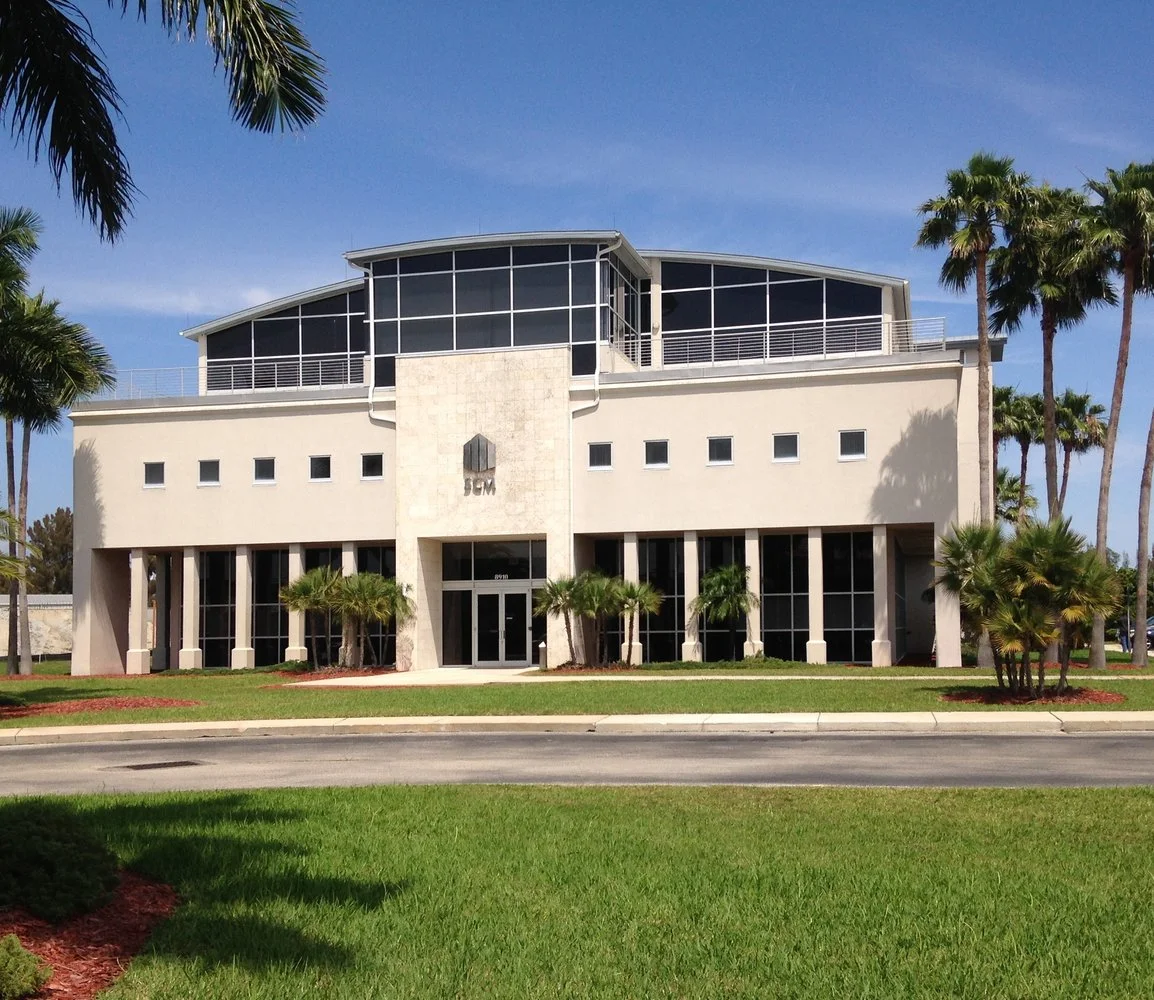
Carrick Institute Learning Center
8910 Astronaut Blvd.
Cape Canaveral, FL 32920
USA
Venue-Specific Details:
Access Info:
Parking Info:
Phone:
Airport:
Suggested hotels

Homewood Suites by Hilton Cape Canaveral-Cocoa Beach
9000 Astronaut Blvd
Cape Canaveral, FL 32920
USA
Phone:
+1 321-868-1841Reservation Note:
This hotel is directly adjacent to the Carrick Institute Learning Center. It is about a 1-2 minute walk and has great views of rocket launches from the north side.

Hampton Inn & Suites Cape Canaveral Cruise Port
9004 Astronaut Blvd.
Cape Canaveral, FL 32920
USA
Phone:
321-784-0025Reservation Note:
This hotel is just adjacent the Carrick Institute and is connected to the Homewood Suites. It will take approximately 2 minutes to walk to the Carrick Institute Learning Center. It has a pool, outdoor basketball court, and a gym.

Hilton Garden Inn Cocoa Beach Oceanfront
2080 North Atlantic Avenue
Cocoa Beach, FL 32931
USA
Phone:
+1-321-783-9222Reservation Note:
This hotel is not walking distance from the Carrick Institute, but is right on the beach, just south of the Cocoa Beach Pier. You will need a car to get from the hotel to the Carrick Institute Learning Center. It is about a 5-10 minute drive depending on traffic and local events.
Also includes
Board Review 2026 - March 2026
This course reviews essential neuroanatomy, physiology, diagnostics, and chiropractic techniques to prepare clinicians for board exams and enhance neurological clinical practice.
$
$
(
$
<svg xmlns="http://www.w3.org/2000/svg" fill="none" viewBox="0 0 101 100"><path stroke="currentColor" stroke-linecap="round" stroke-linejoin="round" stroke-width="6" d="M21.166 56.25H79.5m-29.167 0V100M27.417 45.833v-18.75h-4.884a12.5 12.5 0 0 0-12.108 9.396L2.417 67.71v1.04h29.166V75c0 6.25 0 10.418 3.125 16.668 0 0 3.125 6.25 7.292 6.25m31.25-52.084v-18.75h4.883a12.5 12.5 0 0 1 12.109 9.396l8.008 31.23v1.04H69.083V75c0 6.25 0 10.418-3.125 16.668 0 0-3.125 6.25-7.291 6.25M26.79 18.75s-6.666-4.167-6.666-9.375a7.283 7.283 0 0 1 14.566 0c0 5.208-6.65 9.375-6.65 9.375h-1.25Zm47.084 0s6.666-4.167 6.666-9.375a7.291 7.291 0 0 0-7.291-7.292c-4.025 0-7.275 3.267-7.275 7.292 0 5.208 6.65 9.375 6.65 9.375h1.25Z"/></svg>
<svg xmlns="http://www.w3.org/2000/svg" fill="none" viewBox="0 0 120 120"><path stroke="currentColor" stroke-linecap="round" stroke-width="6" d="M98.353 18.047a56.422 56.422 0 0 1 7.442 9.023 60.989 60.989 0 0 1 5.449 10.196 56.716 56.716 0 0 1 3.34 11.074A64.591 64.591 0 0 1 115.756 60c0 3.945-.372 7.832-1.114 11.66a54.25 54.25 0 0 1-3.398 11.074 67.288 67.288 0 0 1-5.449 10.196 52.537 52.537 0 0 1-7.442 9.023m-76.706 0a56.398 56.398 0 0 1-7.441-9.023 60.906 60.906 0 0 1-5.45-10.196 56.634 56.634 0 0 1-3.34-11.074A64.49 64.49 0 0 1 4.245 60c0-3.945.37-7.832 1.113-11.66a54.235 54.235 0 0 1 3.398-11.074 67.205 67.205 0 0 1 5.45-10.196 52.516 52.516 0 0 1 7.441-9.023m60.827 15.879c3.477 3.515 6.133 7.5 7.97 11.953 1.835 4.453 2.772 9.16 2.812 14.121 0 4.922-.918 9.61-2.754 14.063-1.836 4.453-4.512 8.456-8.028 12.011m-44.948 0c-3.477-3.515-6.133-7.5-7.969-11.953-1.836-4.453-2.773-9.16-2.812-14.121 0-4.922.918-9.61 2.753-14.063 1.836-4.453 4.512-8.456 8.028-12.011M60 45.644c1.992 0 3.848.372 5.567 1.114a14.584 14.584 0 0 1 4.57 3.105 13.956 13.956 0 0 1 3.047 4.512c.703 1.68 1.093 3.555 1.172 5.625 0 1.992-.371 3.848-1.114 5.566a14.584 14.584 0 0 1-3.105 4.57 13.956 13.956 0 0 1-4.512 3.048c-1.68.703-3.555 1.093-5.625 1.172-1.992 0-3.848-.372-5.566-1.114a14.584 14.584 0 0 1-4.57-3.105 13.956 13.956 0 0 1-3.047-4.512c-.704-1.68-1.094-3.555-1.172-5.625 0-1.992.37-3.848 1.113-5.566a14.584 14.584 0 0 1 3.105-4.57 13.956 13.956 0 0 1 4.512-3.048c1.68-.703 3.555-1.093 5.625-1.172Z"/></svg>
The Carrick Institute team is ready to assist with enrollment, CE approval, or program planning. Email visit our CE Portal or Contact Us directly.