.png)

Beyond Blood Sugar: A Neurophysiological Approach to Thriving with Type 1 Diabetes
Exploring the neurophysiology, autonomic function, and performance science behind Type 1 Diabetes care
Expand your clinical lens on Type 1 Diabetes through neurophysiology, autonomic function, exercise science, and modern technology integration.
$
$
(
$
Course Description
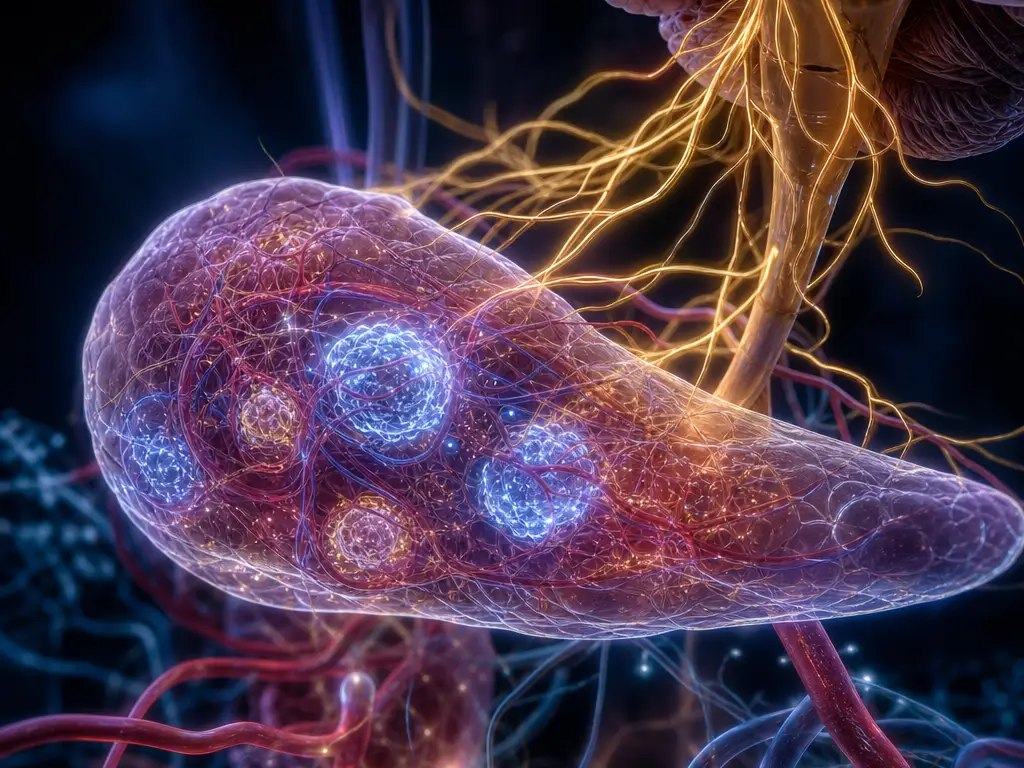
Type 1 Diabetes presents clinical complexity that reaches far beyond glucose and insulin. The autonomic nervous system, sleep architecture, cognitive load, and exercise physiology all intersect in ways that reshape how clinicians must think about patient support and outcomes.
This course equips clinicians with a neurophysiological framework for understanding Type 1 Diabetes as a systemic condition. Drawing on current neuroscience, sports medicine research, and lived clinical experience, Dr. Kaleb Dahlgren translates complex physiology into practical strategies. Clinicians leave with tools to meaningfully support patients navigating one of medicine's most dynamic chronic conditions.
What you’ll learn:
- Explain the neurophysiological mechanisms underlying glucose regulation in T1D
- Identify autonomic nervous system responses to hypo and hyperglycemic states
- Apply exercise physiology principles to optimize outcomes in T1D patients
- Evaluate how sleep and stress alter metabolic and cognitive function in T1D
- Integrate modern diabetes technology into a neurophysiology-informed care plan
More About This Course
Type 1 Diabetes management has evolved dramatically, yet clinical education often lags behind the science. Most training frameworks focus narrowly on glucose monitoring and insulin protocols, leaving clinicians underprepared for the broader physiological landscape their patients navigate daily. The neurophysiology of Type 1 Diabetes, including autonomic nervous system dysregulation, glucose-driven shifts in cognitive performance, exercise-induced hormonal responses, and the neuroscience of sleep and stress, represents a growing body of evidence that directly informs clinical decision-making across chiropractic, functional neurology, sports medicine, and rehabilitation.
This course transforms how clinicians conceptualize Type 1 Diabetes by building a robust neurophysiological framework around the condition. Participants explore the autonomic regulation of glucose, how hypoglycemic and hyperglycemic states alter brain function, the role of the hypothalamic-pituitary-adrenal axis in metabolic stress responses, exercise physiology specific to insulin-dependent individuals, and how modern diabetes technology intersects with nervous system function. Case-based learning and practical clinical tools make this education immediately applicable to patient care.
This course is designed for licensed clinicians in chiropractic, functional neurology, sports chiropractic, rehabilitation, and allied health who work with or are likely to encounter patients living with Type 1 Diabetes. Whether your practice centers on performance optimization, chronic condition management, or neurorehabilitation, this training adds a clinically meaningful dimension to your patient-centered approach.
Components
Educational Syllabus
- The Nervous System and Glucose Regulation
- Discover how the autonomic nervous system governs glucose homeostasis in Type 1 Diabetes. Build a clinical framework that goes beyond insulin to explain systemic patient presentations with greater precision.
- Brain Function Under Glycemic Extremes
- Explore how hypoglycemia and hyperglycemia alter cognition, decision-making, and neural function. Gain the physiological language to explain glucose-driven symptom patterns your patients experience every day.
- Exercise, Hormones, and the Insulin-Dependent Athlete
- Unpack the unique hormonal and metabolic demands of exercise in Type 1 Diabetes. Develop practical strategies to support performance, recovery, and glycemic stability in physically active patients.
- Sleep, Stress, Recovery, and Modern Diabetes Technology
- Examine how sleep architecture, HPA axis activity, and emerging diabetes technology intersect with nervous system function to shape patient outcomes and your clinical recommendations.
Venue, Hotels & Schedule
Also includes

Beyond Blood Sugar: A Neurophysiological Approach to Thriving with Type 1 Diabetes
Expand your clinical lens on Type 1 Diabetes through neurophysiology, autonomic function, exercise science, and modern technology integration.
$
$
(
$
The Carrick Institute team is ready to assist with enrollment, CE approval, or program planning. Email visit our CE Portal or Contact Us directly.