
.png)
History, Development & Neuromuscular Applications - June 2026
June 26-28, 2026
Explore the development and function of the nervous and neuromuscular systems. Learn to assess, diagnose, and support patients using evidence-based neuro and physical medicine tools.
$
$
(
$
<svg xmlns="http://www.w3.org/2000/svg" fill="none" viewBox="0 0 101 100"><path stroke="currentColor" stroke-linecap="round" stroke-linejoin="round" stroke-width="6" d="M21.166 56.25H79.5m-29.167 0V100M27.417 45.833v-18.75h-4.884a12.5 12.5 0 0 0-12.108 9.396L2.417 67.71v1.04h29.166V75c0 6.25 0 10.418 3.125 16.668 0 0 3.125 6.25 7.292 6.25m31.25-52.084v-18.75h4.883a12.5 12.5 0 0 1 12.109 9.396l8.008 31.23v1.04H69.083V75c0 6.25 0 10.418-3.125 16.668 0 0-3.125 6.25-7.291 6.25M26.79 18.75s-6.666-4.167-6.666-9.375a7.283 7.283 0 0 1 14.566 0c0 5.208-6.65 9.375-6.65 9.375h-1.25Zm47.084 0s6.666-4.167 6.666-9.375a7.291 7.291 0 0 0-7.291-7.292c-4.025 0-7.275 3.267-7.275 7.292 0 5.208 6.65 9.375 6.65 9.375h1.25Z"/></svg>
Description
This foundational course in Embryology, Physiology, and the Neuromuscular System provides clinicians with the essential knowledge needed to understand, assess, and treat neurological and neuromuscular conditions. Scholars will explore the development of the central and peripheral nervous systems, review the embryological origins of neurological structures, and evaluate the functional anatomy and physiology of neurons and muscle tissue. Special focus is placed on the columnar and prosomeric models of cortical organization, sensory input development, and the clinical relevance of metabolic regulation in neurological function. Through case-based discussions, clinicians will learn to apply neurological and physical medicine techniques to support patients with common neuromuscular and developmental disorders. This module serves as a critical entry point for further study in Clinical Neuroscience.
What you’ll learn:
- Understand the embryological development of the central and peripheral nervous systems.
- Explain the physiology and pathophysiology of neurons and the neuromuscular system.
- Assess and diagnose common neuromuscular and neurodevelopmental disorders.
- Apply neurological and physical medicine strategies in patient care.
- Differentiate between the columnar and prosomeric models of cortical organization.
Syllabus
Components
- Embryological development of the CNS and PNS
- Cortical organization: genetic vs. environmental influences
- Neuronal structure and cellular anatomy
- Membrane potentials, action potentials, and receptor dynamics
- Metabolic, nutritional, and respiratory influences on neuronal function
- Clinical conditions:
- Sugar metabolism disorders
- Thyroid & parathyroid dysfunction
- Ion imbalances (calcium, potassium, sodium, etc.)
- Mitochondrial, lysosomal, and glycosylation diseases
- Enzyme and vitamin deficiencie
- Laboratory testing for congenital and metabolic disorders
- Brain development and neuroanatomy
- Principles of neuroplasticity
- Models of brain function: localization, aggregate, hemispheric
- Rehabilitation principles: activation, inhibition, nutrition, receptor stimulation
- Muscle structure and contraction mechanisms
- Actin, myosin, sarcomere, and cross-bridge formation
- Energy metabolism: ATP, glycogen, oxidative phosphorylation
- Neuromuscular junction disorders (e.g., Myasthenia Gravis) and drug effectsReflex pathways: monosynaptic, disynaptic, and multisynapticSuprasegmental control:
- Corticospinal and corticobulbar systems
- Extrapyramidal system (basal ganglia, nigrostriatal, cerebellum, vestibular)
- Rubrospinal, reticulospinal, vestibulospinal, tectospinal tracts
- Principles of stretching, muscular hypertrophy, and rehabilitation
- Nutritional influences: protein, calcium, magnesium, oxygen, iron, thyroid
- Central influences on muscle tone and activation
- Clinical disorders:
- Myopathies (primary, secondary, hereditary, metabolic, mitochondrial, dystrophies, myotonias)
- Spasticity, hypotonia, cramps, and sclerotogenous pain referral
- Neuromuscular junction disorders: Myasthenia Gravis, Lambert-Eaton Syndrome
Live Event Info
schedule & location
Date(s):
Schedule:
Friday: 2:00 PM to 6:00 PM
Saturday: 9:00 AM to 6:00 PM
Sunday: 9:00 AM to 6:00 PM
Event Location:
Time Zone:
Dress Code:
Venue
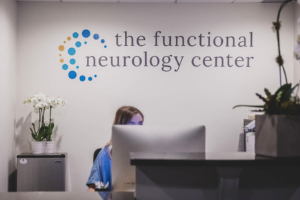
The Functional Neurology Center
11055 Wayzata Blvd
Minnetonka, MN 55305
USA
Venue-Specific Details:
Access Info:
Parking Info:
Phone:
Airport:
Suggested hotels
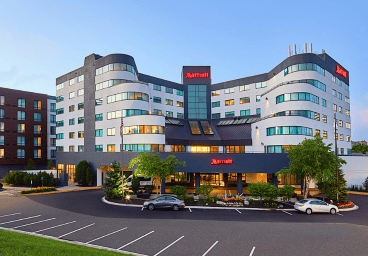
Minneapolis Marriott West
960 Wayzata Boulevard
Minneapolis, MN 55426
USA
Phone:
+ 1-952-544-4400Reservation Note:
Also includes
History, Development & Neuromuscular Applications - June 2026
Explore the development and function of the nervous and neuromuscular systems. Learn to assess, diagnose, and support patients using evidence-based neuro and physical medicine tools.
$
$
(
$
<svg xmlns="http://www.w3.org/2000/svg" fill="none" viewBox="0 0 101 100"><path stroke="currentColor" stroke-linecap="round" stroke-linejoin="round" stroke-width="6" d="M21.166 56.25H79.5m-29.167 0V100M27.417 45.833v-18.75h-4.884a12.5 12.5 0 0 0-12.108 9.396L2.417 67.71v1.04h29.166V75c0 6.25 0 10.418 3.125 16.668 0 0 3.125 6.25 7.292 6.25m31.25-52.084v-18.75h4.883a12.5 12.5 0 0 1 12.109 9.396l8.008 31.23v1.04H69.083V75c0 6.25 0 10.418-3.125 16.668 0 0-3.125 6.25-7.291 6.25M26.79 18.75s-6.666-4.167-6.666-9.375a7.283 7.283 0 0 1 14.566 0c0 5.208-6.65 9.375-6.65 9.375h-1.25Zm47.084 0s6.666-4.167 6.666-9.375a7.291 7.291 0 0 0-7.291-7.292c-4.025 0-7.275 3.267-7.275 7.292 0 5.208 6.65 9.375 6.65 9.375h1.25Z"/></svg>
The Carrick Institute team is ready to assist with enrollment, CE approval, or program planning. Email visit our CE Portal or Contact Us directly.