
.png)

The Peripheral Nervous System & Spinal Cord - July 2026
July 31 - August 2, 2026
Explore the structure and function of the PNS and spinal cord.
$
$
(
$
<svg xmlns="http://www.w3.org/2000/svg" fill="none" viewBox="0 0 101 100"><path stroke="currentColor" stroke-linecap="round" stroke-linejoin="round" stroke-width="6" d="M21.166 56.25H79.5m-29.167 0V100M27.417 45.833v-18.75h-4.884a12.5 12.5 0 0 0-12.108 9.396L2.417 67.71v1.04h29.166V75c0 6.25 0 10.418 3.125 16.668 0 0 3.125 6.25 7.292 6.25m31.25-52.084v-18.75h4.883a12.5 12.5 0 0 1 12.109 9.396l8.008 31.23v1.04H69.083V75c0 6.25 0 10.418-3.125 16.668 0 0-3.125 6.25-7.291 6.25M26.79 18.75s-6.666-4.167-6.666-9.375a7.283 7.283 0 0 1 14.566 0c0 5.208-6.65 9.375-6.65 9.375h-1.25Zm47.084 0s6.666-4.167 6.666-9.375a7.291 7.291 0 0 0-7.291-7.292c-4.025 0-7.275 3.267-7.275 7.292 0 5.208 6.65 9.375 6.65 9.375h1.25Z"/></svg>
Description
This dual-focus module provides an in-depth examination of the Peripheral Nervous System (PNS) and Spinal Cord—two essential components of the human nervous system. Scholars will explore the structure and function of the PNS and spinal cord, along with the clinical relevance of common neuropathies and spinal pathologies. From simple compressive mononeuropathies to complex inflammatory, degenerative, traumatic, and vascular disorders, participants will gain a clear understanding of diagnosis, assessment, and non-pharmaceutical management strategies. Emphasis is placed on practical clinical application for improved patient outcomes.
What you’ll learn:
- Describe the structure and function of the peripheral nervous system and spinal cord
- Identify common clinical conditions affecting the PNS and spinal cord, including compressive, metabolic, and inflammatory neuropathies.
- Interpret neurological signs related to spinal cord trauma, degeneration, and vascular compromise.
- Apply diagnostic and therapeutic strategies for both peripheral and spinal presentations.
Syllabus
Components
- Foundations of the Peripheral & Spinal Systems
- Formation of spinal nerves
- Blood supply and myelin formation
- Divisions and gross anatomy of motor and sensory roots
Spinal cord overview and structure - Clinical anatomy of the brachial and lumbosacral plexus
- Peripheral nerve mapping: upper and lower extremities
- Sensory vs. motor nerve pathways
- Clinical correlations between root and cord lesions
- Spinal cord lesion syndromes: central, anterior, posterior, and lateral
- Compressive and vascular syndromes
- Diagnostic localization principles
- Entrapment and compression neuropathies
- Mechanisms: neuropraxia, axonotmesis, neurotmesis
- Case-based differentiation of root vs. peripheral lesions
- Systemic and metabolic peripheral neuropathies
- Nutritional and endocrine contributions (B12, thyroid, diabetes)
Overview of inflammatory spinal cord syndromes
- Diagnostic Applications
- Diagnostic testing and differential localization
- Neurological examination: reflexes, tone, strength, and sensation
- Electrodiagnostic principles: NCV, EMG, and SSEP
Imaging applications: cervical, thoracic, and lumbosacral MRI
Lumbar puncture interpretation (cells, protein, glucose, pressure)
Laboratory testing: inflammatory, metabolic, and genetic markers
Referral and co-treatment principles - Case-based diagnostic integration
- Localization challenges: single vs. multiple lesions
Peripheral signaling into the spinal cord
Suprasegmental influence and cross-system communication
- Treatment and Rehabilitation
- Central vs. peripheral repair and regeneration potential
- Segmental and suprasegmental relationships in recovery
- Rehabilitation concepts: decompression, vascular support, and metabolic optimization
- Modulating central integrated state
- Practical rehabilitation applications:
- Cross crawl and gait retraining
- Vestibular reflex integration
- Spinal and extremity manipulation
- Muscle tone modulation
- Treatment strategies for sensory and motor re-education
- Range of motion therapeutics and imagery techniquesElectrical stimulation, myofascial release, and neurodynamic approaches
Live Event Info
schedule & location
Date(s):
Schedule:
Friday: 2:00 PM to 6:00 PM
Saturday: 9:00 AM to 6:00 PM
Sunday: 9:00 AM to 6:00 PM
Event Location:
Time Zone:
Dress Code:
Venue
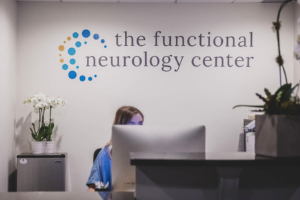
The Functional Neurology Center
11055 Wayzata Blvd
Minnetonka, MN 55305
USA
Venue-Specific Details:
Access Info:
Parking Info:
Phone:
Airport:
Suggested hotels
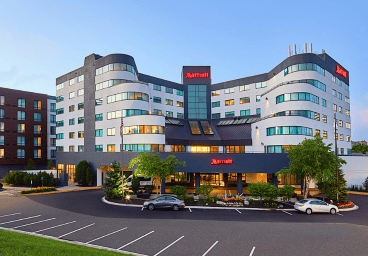
Minneapolis Marriott West
960 Wayzata Boulevard
Minneapolis, MN 55426
USA
Phone:
+ 1-952-544-4400Reservation Note:
Also includes
The Peripheral Nervous System & Spinal Cord - July 2026
Explore the structure and function of the PNS and spinal cord.
$
$
(
$
<svg xmlns="http://www.w3.org/2000/svg" fill="none" viewBox="0 0 101 100"><path stroke="currentColor" stroke-linecap="round" stroke-linejoin="round" stroke-width="6" d="M21.166 56.25H79.5m-29.167 0V100M27.417 45.833v-18.75h-4.884a12.5 12.5 0 0 0-12.108 9.396L2.417 67.71v1.04h29.166V75c0 6.25 0 10.418 3.125 16.668 0 0 3.125 6.25 7.292 6.25m31.25-52.084v-18.75h4.883a12.5 12.5 0 0 1 12.109 9.396l8.008 31.23v1.04H69.083V75c0 6.25 0 10.418-3.125 16.668 0 0-3.125 6.25-7.291 6.25M26.79 18.75s-6.666-4.167-6.666-9.375a7.283 7.283 0 0 1 14.566 0c0 5.208-6.65 9.375-6.65 9.375h-1.25Zm47.084 0s6.666-4.167 6.666-9.375a7.291 7.291 0 0 0-7.291-7.292c-4.025 0-7.275 3.267-7.275 7.292 0 5.208 6.65 9.375 6.65 9.375h1.25Z"/></svg>
The Carrick Institute team is ready to assist with enrollment, CE approval, or program planning. Email visit our CE Portal or Contact Us directly.