

.png)

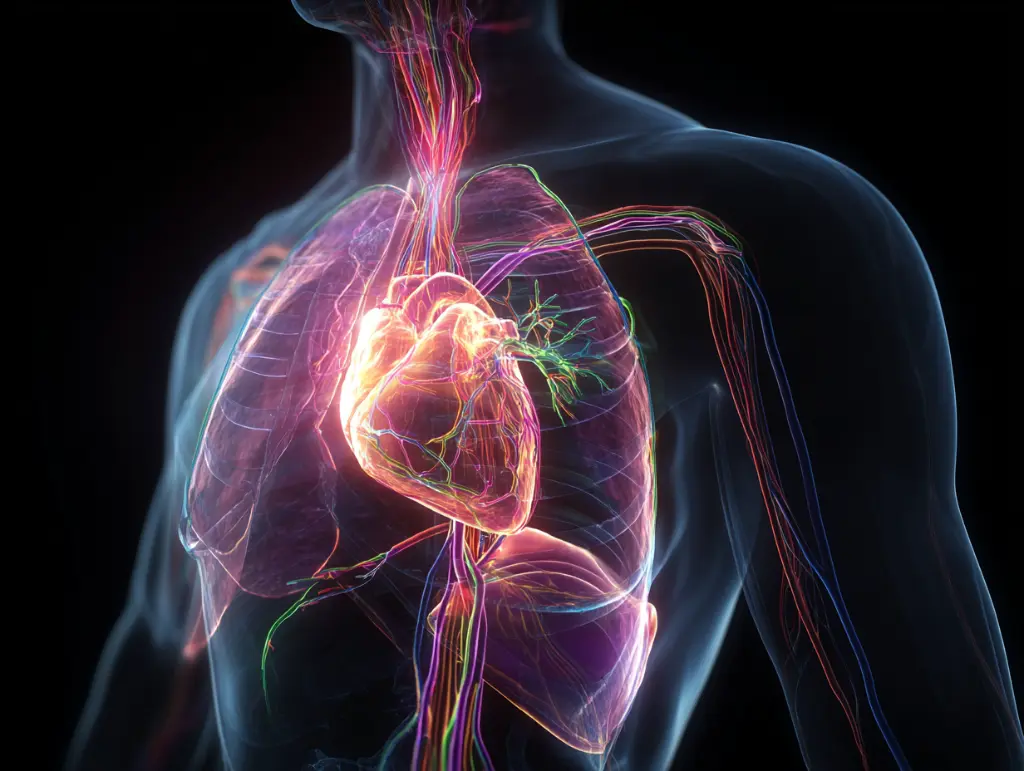
Neurophysiology of the Cardiorespiratory & Gastric Reproductive Systems
April 17-19, 2026
Explore advanced models of brain function and patient care in CNS-07. Learn to assess and treat neurological conditions related to frontal lobe function, visual processing, and dopaminergic networks using real-world clinical strategies.
$
$
(
$
<svg xmlns="http://www.w3.org/2000/svg" fill="none" viewBox="0 0 101 100"><path stroke="currentColor" stroke-linecap="round" stroke-linejoin="round" stroke-width="6" d="M21.166 56.25H79.5m-29.167 0V100M27.417 45.833v-18.75h-4.884a12.5 12.5 0 0 0-12.108 9.396L2.417 67.71v1.04h29.166V75c0 6.25 0 10.418 3.125 16.668 0 0 3.125 6.25 7.292 6.25m31.25-52.084v-18.75h4.883a12.5 12.5 0 0 1 12.109 9.396l8.008 31.23v1.04H69.083V75c0 6.25 0 10.418-3.125 16.668 0 0-3.125 6.25-7.291 6.25M26.79 18.75s-6.666-4.167-6.666-9.375a7.283 7.283 0 0 1 14.566 0c0 5.208-6.65 9.375-6.65 9.375h-1.25Zm47.084 0s6.666-4.167 6.666-9.375a7.291 7.291 0 0 0-7.291-7.292c-4.025 0-7.275 3.267-7.275 7.292 0 5.208 6.65 9.375 6.65 9.375h1.25Z"/></svg>
Description
CNS-07 builds on foundational concepts in clinical neuroscience to deliver a highly integrative and application-driven learning experience. This module explores the clinical implications of frontal lobe function, visual processing networks, the mesolimbic and mesocortical systems, and their interconnected roles in behavior, cognition, and neurological disorders. Attendees will gain hands-on strategies for assessment and intervention, focusing on leveraging brain networks to support executive function, motivation, visual-motor integration, and affective regulation.
This course is designed for clinicians who wish to refine their neurological assessment and rehabilitation skills using advanced models of brain function and evidence-based strategies. Real-world clinical applications, case examples, and visual and cognitive testing procedures are emphasized to support the development of tailored patient care programs.
What you’ll learn:
- Describe the anatomy and functional connectivity of the frontal lobes and their role in executive control.
- Evaluate the clinical relevance of the mesolimbic and mesocortical dopaminergic systems in behavior and motivation.
- Assess and interpret visual processing deficits and eye movement abnormalities using cortical network models.
- Apply intervention strategies that influence the basal ganglia, frontal eye fields, and associated cognitive-emotional circuits.
- Incorporate visual-motor and prefrontal assessments into patient care plans to improve neurological and behavioral outcomes.
Syllabus
Components
- Day 1
- Overview of cerebral and systemic vascular regulation
- Role of the brainstem in vascular tone and perfusion
- Endothelial cell function and nitric oxide signaling
- Autonomic dysfunction and blood pressure control
- Case studies: orthostatic hypotension, POTS, baroreflex dysfunction
- Day 2
- Classification of peripheral neuropathies (small vs. large fiber)
- Assessment tools: Quantitative Sensory Testing, thermal threshold, skin biopsy
- Inflammatory vs. metabolic neuropathy
- Sensory distribution and mapping techniques
- Central sensitization and chronic pain implications
- Day 3
- Central-peripheral integration in patient care
- Linking dysautonomia and neurovascular complaints in practice
- Functional rehab strategies and vagal nerve modulation
- Patient case reviews with integrated clinical reasoning
- Designing treatment plans based on autonomic profiles
Live Event Info
schedule & location
Date(s):
Schedule:
Friday: 1:00 PM to 7:00 PM
Saturday: 9:00 AM to 7:00 PM
Sunday: 9:00 AM to 3:00 PM
Event Location:
Time Zone:
Dress Code:
Venue

Amsterdam Brain Center
Henk Schijvenaarstraat
12031 VC. Haarlem
The Netherlands
Venue-Specific Details:
Access Info:
Parking Info:
Phone:
Airport:
Suggested hotels

Ambassador City Centre Hotel
Oude Groenmarkt 20
2011 HL Haarlem
Netherlands
Phone:
+31 23 512 5300Reservation Note:
Also includes
Neurophysiology of the Cardiorespiratory & Gastric Reproductive Systems
Explore advanced models of brain function and patient care in CNS-07. Learn to assess and treat neurological conditions related to frontal lobe function, visual processing, and dopaminergic networks using real-world clinical strategies.
$
$
(
$
<svg xmlns="http://www.w3.org/2000/svg" fill="none" viewBox="0 0 101 100"><path stroke="currentColor" stroke-linecap="round" stroke-linejoin="round" stroke-width="6" d="M21.166 56.25H79.5m-29.167 0V100M27.417 45.833v-18.75h-4.884a12.5 12.5 0 0 0-12.108 9.396L2.417 67.71v1.04h29.166V75c0 6.25 0 10.418 3.125 16.668 0 0 3.125 6.25 7.292 6.25m31.25-52.084v-18.75h4.883a12.5 12.5 0 0 1 12.109 9.396l8.008 31.23v1.04H69.083V75c0 6.25 0 10.418-3.125 16.668 0 0-3.125 6.25-7.291 6.25M26.79 18.75s-6.666-4.167-6.666-9.375a7.283 7.283 0 0 1 14.566 0c0 5.208-6.65 9.375-6.65 9.375h-1.25Zm47.084 0s6.666-4.167 6.666-9.375a7.291 7.291 0 0 0-7.291-7.292c-4.025 0-7.275 3.267-7.275 7.292 0 5.208 6.65 9.375 6.65 9.375h1.25Z"/></svg>
The Carrick Institute team is ready to assist with enrollment, CE approval, or program planning. Email visit our CE Portal or Contact Us directly.