
.png)
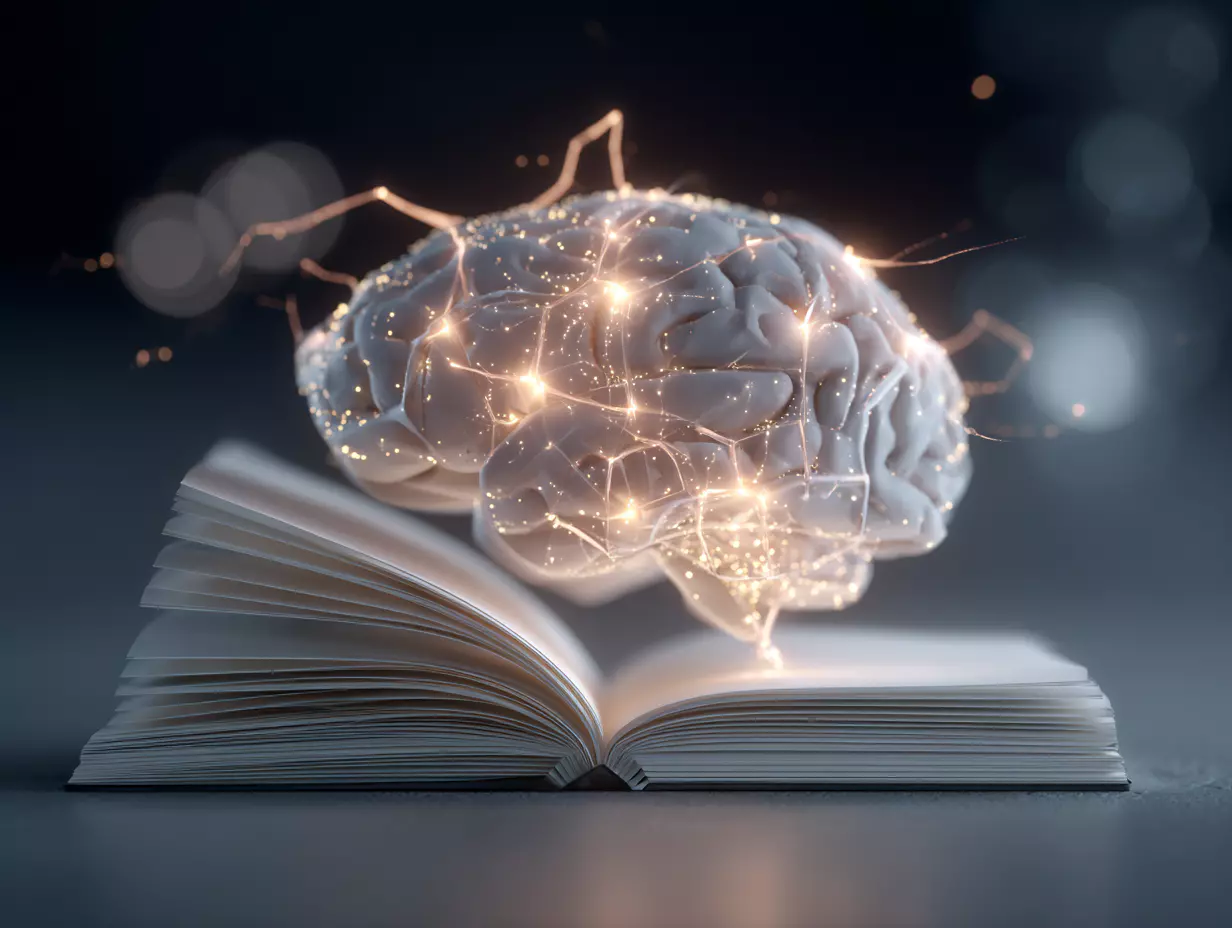
Neurology of Movement
Learn the neurological foundations of movement, key brain structures, and exam techniques to identify and manage common movement disorders effectively.
$
$
(
$
Course Description
This 15-hour course provides a comprehensive overview of the neurological mechanisms underlying human movement and movement disorders. Participants will explore the central structures responsible for generating and coordinating the body’s seven foundational movement patterns—push, pull, squat, lunge, hinge, rotation, and gait. The course dives into the anatomy and physiology of the basal ganglia, cerebellum, brainstem, and frontal lobes, as well as the pathophysiology of common disorders such as Parkinson’s, Huntington’s, dystonia, and Tourette’s. Emphasis is placed on clinical examination, diagnosis, and brain-based rehabilitation strategies.
What you’ll learn:
- Understand the role of central brain structures in motor generation and coordination.
- Identify and differentiate common movement disorders including Parkinson’s, Huntington’s, and dystonia.
- Perform clinical examinations and history-taking to localize movement dysfunction.
- Apply targeted neurorehabilitation strategies to optimize motor function and plasticity.
Components
Educational Syllabus
- Resource Library for CNS14
- About this Course
- Journal Articles
- Lesson: Music and Neuroscience to Improve Walking Following Brain Injury
- Lesson: MedRhythms - Gait Training
- Lesson: Bobby McFerrin Demonstrates the Power of the Pentatonic Scale
- Lesson: A different way to visualize rhythm - John Varney
- Lesson: Neurologic Music Therapy - Rhythmic Auditory Stimulation - Gait Training
- Download: Download the Notes
- Chapter 1 - Introduction and Motor Prediction
- Lesson: Introduction and Motor Prediction
- Lesson: Motor Prediction Pt. 2
- Quiz: Chapter 1 Quiz
- Chapter 2 - Clinical Assessment
- Lesson: Clinical Assessment pt. 1
- Lesson: Clinical Assessment pt. 2
- Lesson: Clinical Assessment pt. 3
- Lesson: Clinical Assessment pt. 4
- Quiz: Chapter 2 Quiz
- Chapter 3 - Basal Ganglia Anatomy & Interconnectivity
- Lesson: Basal Ganglia Anatomy & Interconnectivity
- Quiz: Chapter 3 Quiz
- Chapter 4 - Tremors
- Lesson: Tremors pt. 1
- Lesson: Tremors pt. 2
- Lesson: Tremors pt. 3
- Quiz: Chapter 4 Quiz
- Chapter 5 - Case Study
- Lesson: Case Study Pt. 1
- Lesson: Case Study Pt. 2
- Chapter 6 - Drug Induced Movement Disorders
- You're Halfway There!
- Lesson: Drug Induced Movement Disorders
- Quiz: Chapter 6 Quiz
- Chapter 7 - Hypokinetic Movement Disorders
- Lesson: Hypokinetic Movement Disorders
- Quiz: Chapter 7 Quiz
- Chapter 8 - Introduction to Dystonia
- Lesson: Introduction to Dystonia
- Chapter 9 - Dystonia
- Lesson: Dystonia Pt. 1
- Lesson: Dystonia Pt. 2
- Lesson: Dystonia Pt. 3
- Lesson: Dystonia Pt. 4
- Lesson: Dystonia Pt. 5
- Quiz: Chapter 9 Quiz
- Chapter 10 - Case Study
- Lesson: Case Study 2 Pt. 1
- Lesson: Case Study 2 Pt. 2
- Chapter 11 - Hypokinetic Movement Disorders
- Lesson: Hypokinetic Movement Disorders
- Quiz: Chapter 11 Quiz
- Chapter 12 - Timing in Movement
- Lesson: Timing in Movement
- Quiz: Chapter 12 Quiz
Venue, Hotels & Schedule
Also includes
Neurology of Movement
Learn the neurological foundations of movement, key brain structures, and exam techniques to identify and manage common movement disorders effectively.
$
$
(
$
The Carrick Institute team is ready to assist with enrollment, CE approval, or program planning. Email visit our CE Portal or Contact Us directly.