

.png)

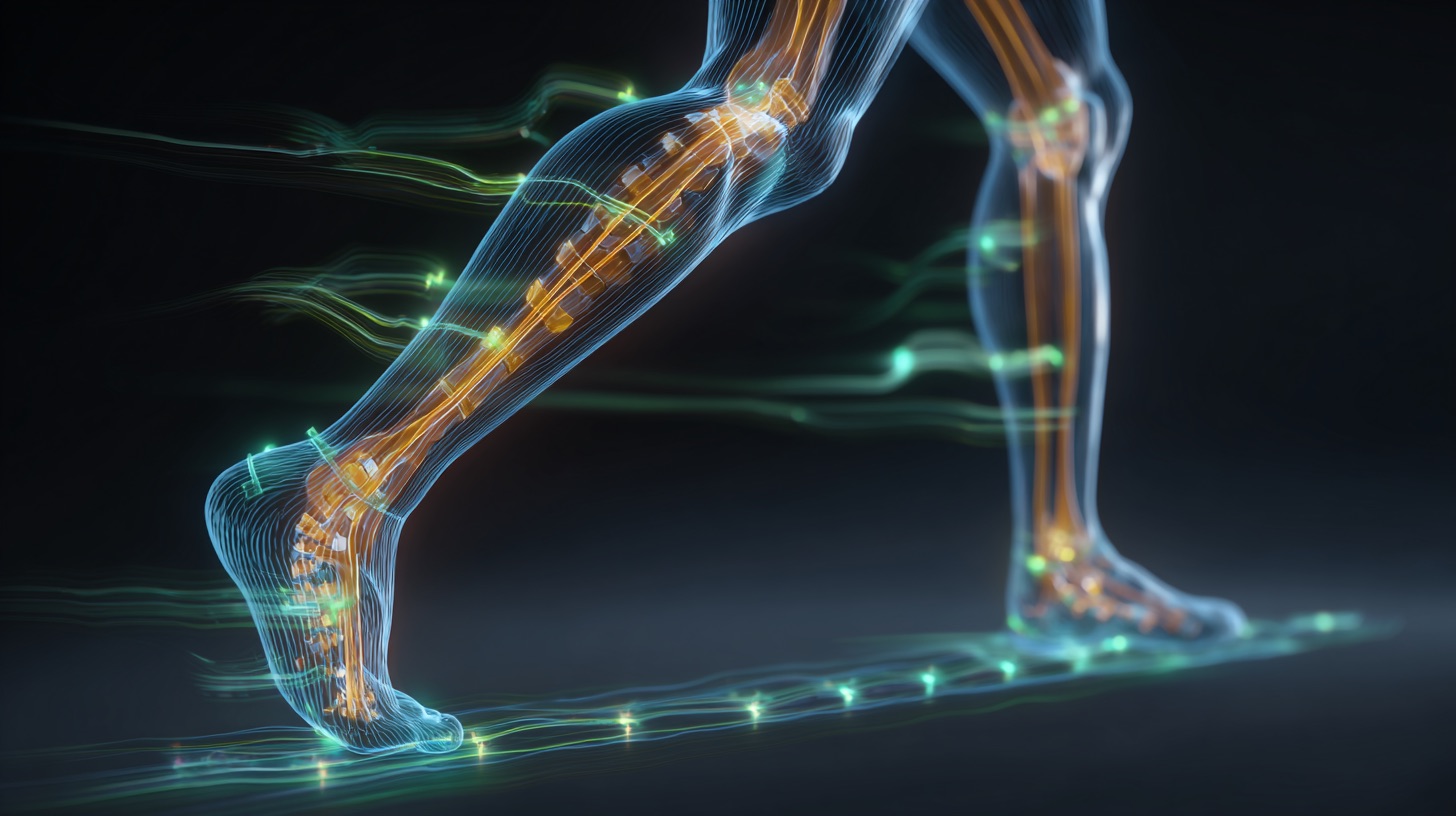
An Investigation into Gait Stability Resulting from Cutaneous Afferent Activation with Elastic Adhesive Tape
A 1-credit course examining how cutaneous sensory stimulation from elastic adhesive tape may influence gait stability and motor control through sensory-motor integration.
$
$
(
$
Course Description
Stable gait requires continuous integration of sensory feedback and motor control. In this session, Marc Pick investigates how activating cutaneous afferent pathways with elastic adhesive tape may influence gait stability. The presentation explores how sensory input from the skin contributes to posture, balance, and coordinated movement during walking. Participants will examine research evaluating whether targeted cutaneous stimulation can modify sensory feedback and enhance motor control. By stimulating peripheral sensory receptors, taping strategies may influence the neural circuits responsible for maintaining stable gait patterns. The lecture also discusses the broader implications of sensory stimulation techniques for rehabilitation and movement training. Clinicians will gain insight into how sensory-motor integration plays a critical role in gait stability and how simple external interventions may help support improved movement performance.
What you’ll learn:
- Understand how sensory input contributes to gait stability and balance control.
- Recognize the role of cutaneous afferent pathways in movement regulation.
- Identify how elastic adhesive tape may stimulate sensory receptors.
- Explore research examining taping interventions and gait performance.
- Apply sensory stimulation concepts to rehabilitation strategies.
Components
Educational Syllabus
- Topic 1 – Foundations of Gait Stability
- An overview of the neurological and biomechanical systems that contribute to stable human gait.
- Topic 2 – The Role of Cutaneous Afferent Input
- Explore how sensory signals from the skin influence posture, balance, and movement coordination.
- Topic 3 – Mechanisms of Sensory-Motor Integration
- Examine how the nervous system integrates sensory feedback to regulate motor output during walking.
- Topic 4 – Elastic Adhesive Tape as a Sensory Stimulation Tool
- Understand how elastic adhesive taping techniques may stimulate cutaneous afferents and influence motor behavior.
- Topic 5 – Research Findings on Gait Stability
- Review evidence investigating how cutaneous stimulation from taping interventions may affect gait stability and balance control.
- Topic 6 – Clinical Implications for Rehabilitation
- Learn how clinicians may incorporate sensory stimulation strategies to improve gait stability and motor performance.
Venue, Hotels & Schedule
Also includes
An Investigation into Gait Stability Resulting from Cutaneous Afferent Activation with Elastic Adhesive Tape
A 1-credit course examining how cutaneous sensory stimulation from elastic adhesive tape may influence gait stability and motor control through sensory-motor integration.
$
$
(
$
The Carrick Institute team is ready to assist with enrollment, CE approval, or program planning. Email visit our CE Portal or Contact Us directly.