

The Neurological Examination Revisited
A hypothesis-driven framework for clinical localization and neurological examination mastery
Refine the most powerful diagnostic tool in clinical neuroscience and localize neurological findings with greater precision and confidence.
$
$
(
$
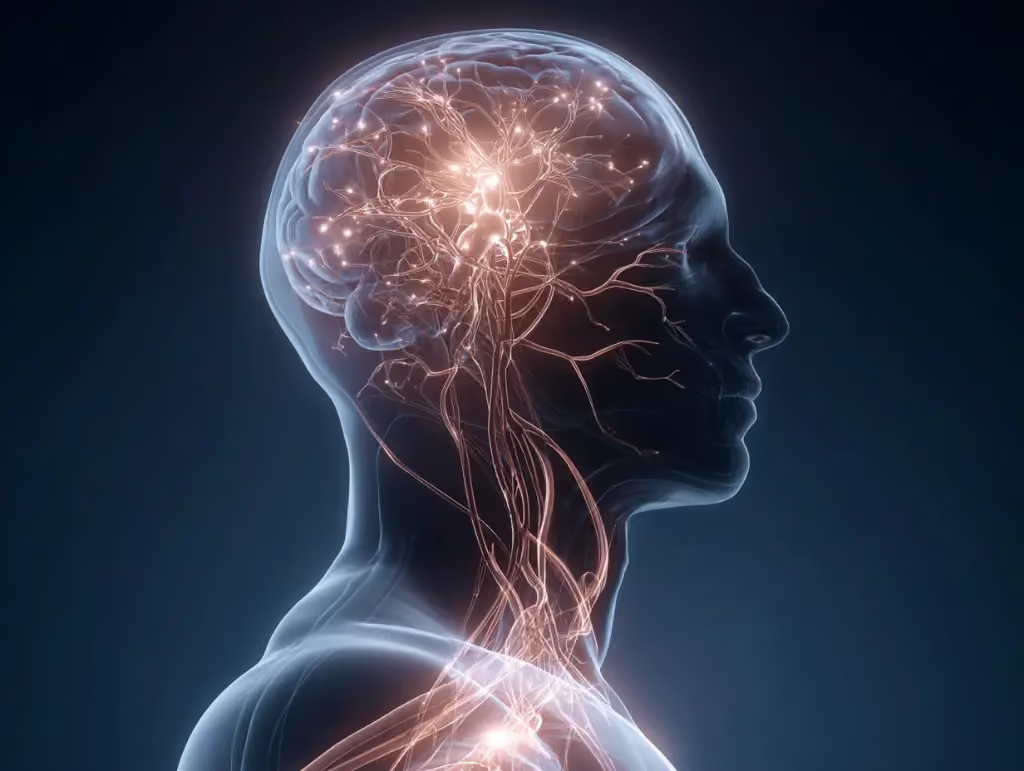
Course Description
The neurological examination remains the most precise and clinically powerful tool available to the skilled clinician, yet its full diagnostic potential is often underutilized in practice. Gaps in systematic application leave complex presentations underlocalized and patients without the insight only a refined examination can provide.
This course re-anchors the neurological examination in hypothesis-driven clinical reasoning. Clinicians gain a structured, observation-first approach to mental status, cranial nerve assessment, motor and sensory systems, reflexes, coordination, and gait. Each component is connected to neuroanatomical localization, equipping practitioners to move from symptom to site with greater speed and certainty. One credit hour of applied clinical insight designed for clinicians who already understand the examination and are ready to use it at the highest level.
What you’ll learn:
- Apply hypothesis-driven reasoning to structure the neurological examination effectively
- Localize neurological findings using mental status and cranial nerve assessment
- Identify upper and lower motor neuron patterns through observation and reflex testing
- Detect subtle sensory system findings to differentiate spinal, nerve, and cord lesions
- Recognize abnormal gait and coordination patterns tied to specific neurological diagnoses
More About This Course
The neurological examination is the foundation of clinical neuroscience, and for experienced clinicians, mastering it is not about learning new content. It is about refining the precision with which existing knowledge is applied at the bedside. This course, The Neurological Examination Revisited, approaches that challenge directly, offering a hypothesis-driven framework that sharpens clinical reasoning across mental status assessment, cranial nerve examination, motor and sensory systems, coordination, gait, and reflexes. For practitioners working in functional neurology, chiropractic neurology, neurorehabilitation, integrative medicine, or any discipline that encounters neurological presentations, this course delivers the structured clinical thinking that separates competent examination from expert localization.
What this course builds is not familiarity with the neurological examination. Most licensed clinicians already possess that. What it cultivates is the capacity to know which tool to reach for, when to reach for it, and what to do with what it reveals. The course introduces the concept of the hypothesis-based examination, where the patient history drives every testing decision and each finding either strengthens or refines the working clinical picture. That framework transforms the examination from a checklist into a dynamic reasoning process. Clinicians leave with a more deliberate, observation-led approach to presenting signs, a sharper eye for subtle findings such as anisocoria, ptosis asymmetry, facial nerve patterns, pronator drift, and sensory levels, and a clearer understanding of how neuroanatomy connects to clinical localization.
This course is designed for licensed clinicians who regularly encounter patients with neurological symptoms and want a more systematic, anatomically grounded approach to examination and localization. It is equally valuable for those entering advanced functional neurology training who want a precise clinical reasoning foundation, and for experienced practitioners seeking to formalize and elevate the examination practices they have developed over years of clinical work.
Components
Educational Syllabus
- The Examination Starts Before You Test Anything
- Observation and history are the foundation of expert neurological examination. Learn how patient onset, behavior, gait, and appearance generate the hypothesis that directs every clinical decision that follows.
- Mental Status and Cranial Nerves as Localization Tools
- Move beyond routine screening into targeted mental status and cranial nerve assessment. Gain confidence identifying frontal and temporal lobe dysfunction, pupillary asymmetry, ptosis patterns, and facial nerve deficits with clinical precision.
- Motor Systems, Reflexes, and the Upper and Lower Motor Neuron
- Develop a sharper motor examination through observation of drift, tone, atrophy, and fasciculations. Learn when and why specific reflexes are selected and how findings localize lesions above or below the foramen magnum.
- Sensory Systems, Coordination, and Gait as Diagnostic Signal
- Integrate sensory localization principles, cerebellar coordination testing, and gait observation into a unified clinical picture. Recognize the patterns that distinguish peripheral neuropathy, cord disease, and movement disorders.
Venue, Hotels & Schedule
Also includes

The Neurological Examination Revisited
Refine the most powerful diagnostic tool in clinical neuroscience and localize neurological findings with greater precision and confidence.
$
$
(
$
The Carrick Institute team is ready to assist with enrollment, CE approval, or program planning. Email visit our CE Portal or Contact Us directly.