.png)

Nociception Is Not Pain: A Clinical Introduction to Chronic Pain Neuroscience
Understanding why the nervous system's alarm and the experience of pain are not the same signal
Distinguish nociception from pain, understand central sensitization, and build a neuroscience framework for better chronic pain clinical outcomes.
$
$
(
$
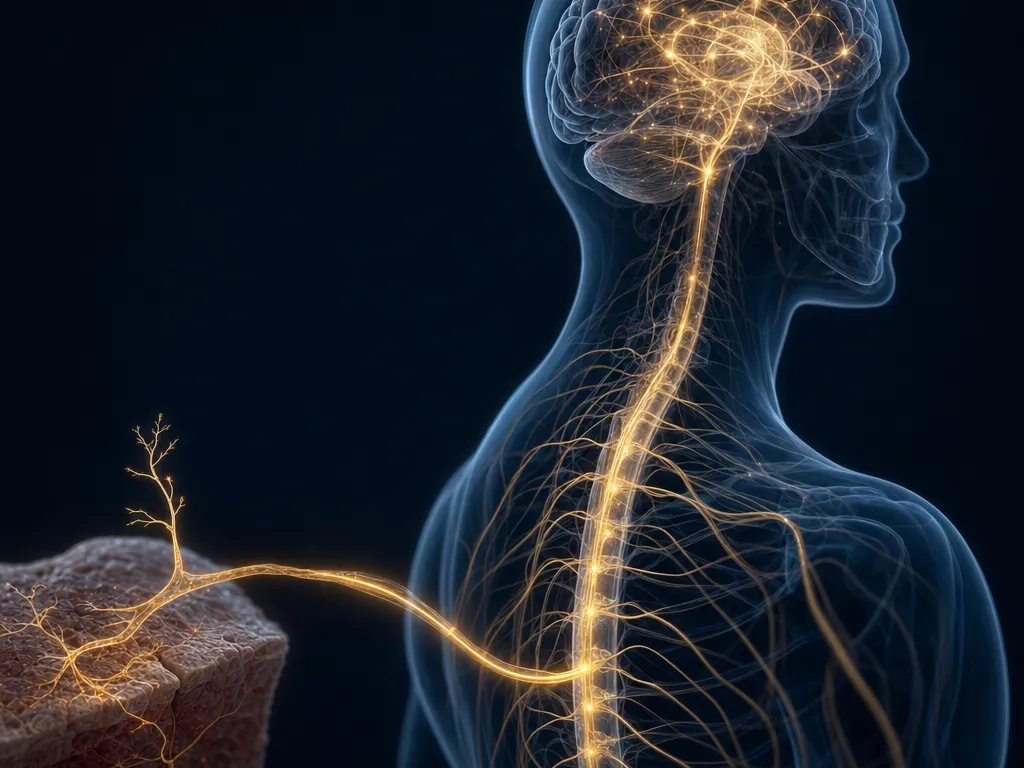
Course Description
Chronic pain patients often present with symptoms that structural imaging and tissue findings cannot fully explain. Clinicians trained in traditional pain models may find these cases among the most clinically complex and least satisfying to manage.
This session provides a neuroscience-grounded framework that redefines how pain is understood, communicated, and treated. Dr. Norman Hoffman guides clinicians through the distinction between nociception and pain perception, the mechanisms of peripheral and central sensitization, descending modulatory pathway dysfunction, and neuroplasticity as a driver of persistent symptoms. Practical strategies for patient education and clinical reasoning are woven throughout, giving clinicians immediately applicable tools for cases where structural pathology alone does not account for symptom severity.
What you’ll learn:
- Differentiate nociception from the conscious, multidimensional experience of pain
- Identify the mechanisms driving peripheral and central sensitization in chronic pain
- Recognize how descending pain modulation shapes symptom severity and perception
- Apply neuroplasticity principles to clinical reasoning in persistent pain cases
- Communicate pain neuroscience concepts to patients using clinically grounded language
More About This Course
Chronic pain is among the most prevalent and clinically demanding conditions seen across healthcare disciplines. Yet the standard biomedical framework, which maps pain directly to tissue damage and nociceptive input, leaves many clinicians without adequate tools to explain or treat patients whose symptoms persist well beyond expected tissue healing timelines. Pain neuroscience education has emerged as a clinically validated approach to closing that gap, and understanding the core distinction between nociception and pain is where that capability begins.
This course, Nociception Is Not Pain, provides licensed clinicians with a rigorous, neuroscience-grounded framework for understanding chronic pain as a complex perceptual experience shaped by biological, psychological, and contextual factors. Through one focused hour of advanced clinical education, participants move beyond structural models and into the mechanisms that actually drive persistent pain: peripheral sensitization, central sensitization, neuroplasticity, threat appraisal, altered descending modulation, and the cognitive and emotional inputs that regulate pain output. Alongside that mechanistic depth, the course delivers immediately applicable strategies for patient communication and clinical reasoning, particularly in cases where imaging and tissue findings do not account for reported symptom severity.
This course is designed for chiropractors, chiropractic neurologists, physical therapists, and other licensed clinicians who regularly manage patients with chronic or complex pain presentations. It is equally valuable for practitioners looking to integrate pain neuroscience education into their clinical conversations and for those pursuing a more complete functional neurology understanding of the nervous system's role in chronic pain.
Dr. Norman Hoffman DC CCSP DACNB MScClinNeuroSci brings board-certified chiropractic neurology expertise and graduate-level clinical neuroscience training to this presentation. His clinical and academic background positions this course as both scientifically credible and practically grounded, reflecting the Carrick Institute's commitment to advancing neuroscience-informed clinical practice across the healthcare professions.
Components
Educational Syllabus
- Pain Is a Perception, Not a Measurement
- Explore the foundational distinction between nociception and pain. Understand why two patients with identical tissue findings can report profoundly different pain experiences, and what that means for clinical assessment.
- When the Nervous System Turns Up the Volume
- Examine peripheral and central sensitization as neurobiological processes that amplify pain independent of ongoing tissue damage. Gain the clinical language to identify and explain sensitization patterns in your most complex cases.
- The Brain That Modulates Pain From Above
- Investigate descending pain modulatory pathways and how disruption of top-down inhibition contributes to chronic pain persistence. Understand how cognitive, emotional, and contextual inputs alter the gain of the pain system.
- From Neuroscience to the Clinic and the Conversation
- Translate chronic pain neuroscience into practical patient education and clinical decision-making strategies. Learn to address both peripheral contributors and central processing changes within a single coherent treatment framework.
Venue, Hotels & Schedule
Also includes

Nociception Is Not Pain: A Clinical Introduction to Chronic Pain Neuroscience
Distinguish nociception from pain, understand central sensitization, and build a neuroscience framework for better chronic pain clinical outcomes.
$
$
(
$
The Carrick Institute team is ready to assist with enrollment, CE approval, or program planning. Email visit our CE Portal or Contact Us directly.