

.png)

Adjusting Techniques in Functional Neurology Combo Course - MN - March 2026
March 13-15, 2026
Participants will learn novel adjusting paradigms, assessment tools, and therapeutic models for improving postural alignment, sensory integration, and neurological performance. The course is highly applicable for clinicians aiming to improve outcomes using precise, patient-specific manual therapies.
$
$
(
$
<svg xmlns="http://www.w3.org/2000/svg" fill="none" viewBox="0 0 101 100"><path stroke="currentColor" stroke-linecap="round" stroke-linejoin="round" stroke-width="6" d="M21.166 56.25H79.5m-29.167 0V100M27.417 45.833v-18.75h-4.884a12.5 12.5 0 0 0-12.108 9.396L2.417 67.71v1.04h29.166V75c0 6.25 0 10.418 3.125 16.668 0 0 3.125 6.25 7.292 6.25m31.25-52.084v-18.75h4.883a12.5 12.5 0 0 1 12.109 9.396l8.008 31.23v1.04H69.083V75c0 6.25 0 10.418-3.125 16.668 0 0-3.125 6.25-7.291 6.25M26.79 18.75s-6.666-4.167-6.666-9.375a7.283 7.283 0 0 1 14.566 0c0 5.208-6.65 9.375-6.65 9.375h-1.25Zm47.084 0s6.666-4.167 6.666-9.375a7.291 7.291 0 0 0-7.291-7.292c-4.025 0-7.275 3.267-7.275 7.292 0 5.208 6.65 9.375 6.65 9.375h1.25Z"/></svg>
Description
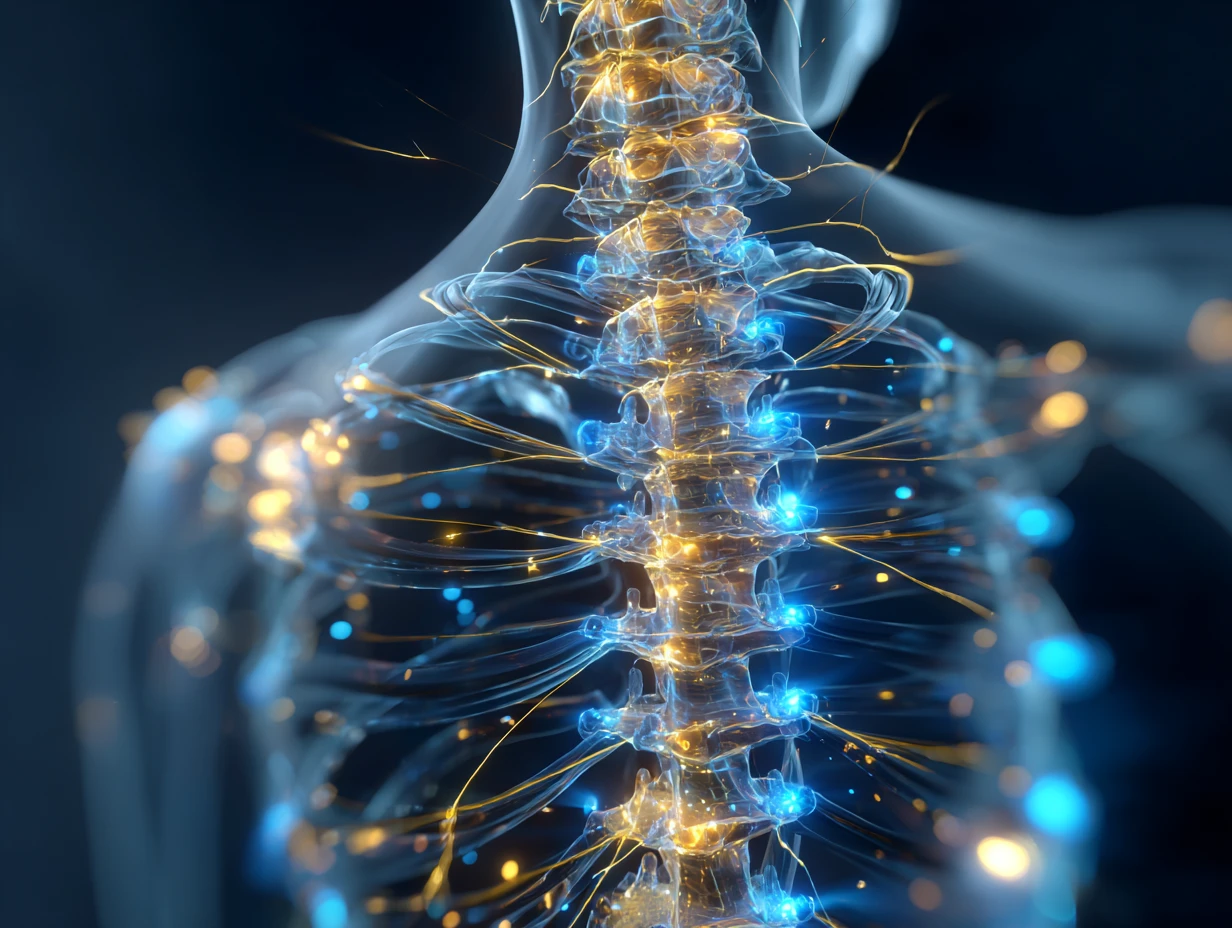
This program explores the dynamic relationship between body alignment and central nervous system function, emphasizing how misalignments affect neurological health, and vice versa. Designed for clinicians seeking advanced skills in manual therapy and neurological integration, this course outlines how joint position errors alter proprioceptive input and how targeted adjustments can restore function. The curriculum integrates concepts from clinical neuroscience, biomechanics, and sensorimotor systems, providing practical strategies for leveraging visual, vestibular, and proprioceptive systems in patient care.
What you’ll learn:
- Explain how body alignment influences and is influenced by central nervous system function.
- Integrate visual, vestibular, and proprioceptive assessments to identify joint position errors.
- Apply manual therapy and adjusting techniques based on neurological correlates.
- Customize adjusting strategies for cerebellar, cortical, and vestibular deficits.
- Use SNAGs and coordinate system models to enhance assessment and treatment precision.
Syllabus
Components
- Adjustments Being Covered
- Brain Hemisphericity and Functional Decompensation
- Soft Pyramidal Weakness
- Diaschisis & Deafferentation influences on Brain Activity
- Joint Receptors & Range Fractionation
- Muscle Spindle Physiology
- Muscle Sensitivity & Tone Relating to Brain Output & The Adjustment
- Direct & Indirect Receptor Influence on Brain Activity
- Importance of Fuel Delivery & Its Relationship to Breathing Mechanics
- The neurological mechanisms of the chiropractic adjustment and other manual therapies.
- Palpatory/assessment techniques congruent with current clinical neuroscience and biomechanical theories.
- Biomechanical coupling and its neurological importance.
- Quick and effective examination procedures to delineate the sidedness of Functional Decompensation and or Hemisphericity.
- Coupled Upper and Lower Rib
- Qaudratus Lumborum & Iliocostalis
- Coupled Cervical Spine C2-C7 plus variations on position and thrust
- Modifying the “Rotary Break” to Hemisphericity
- Extremities for Soft Pyramidal Weakness
- Atlanto-Occipital Joint
- 1st Rib
- Posterior Rib
- T1
- Upper Thoracic Long Axis
- Coupled Lumbar Spine
- Sacroiliac Joint Specific to Hemisphericity
- Correcting For the Anterior Rotated Ilium
Live Event Info
schedule & location
Date(s):
Schedule:
Friday: 2:00 PM to 6:00 PM
Saturday: 9:00 AM to 6:00 PM
Sunday: 9:00 AM to 6:00 PM
Event Location:
Time Zone:
Dress Code:
Venue
The Functional Neurology Center
11055 Wayzata Blvd
Minnetonka, MN 55305
USA
Venue-Specific Details:
Access Info:
Parking Info:
Phone:
Airport:
Suggested hotels

Minneapolis Marriott West
960 Wayzata Boulevard
Minneapolis, MN 55426
USA
Phone:
+ 1-952-544-4400Reservation Note:
Also includes
Adjusting Techniques in Functional Neurology Combo Course - MN - March 2026
Participants will learn novel adjusting paradigms, assessment tools, and therapeutic models for improving postural alignment, sensory integration, and neurological performance. The course is highly applicable for clinicians aiming to improve outcomes using precise, patient-specific manual therapies.
$
$
(
$
<svg xmlns="http://www.w3.org/2000/svg" fill="none" viewBox="0 0 101 100"><path stroke="currentColor" stroke-linecap="round" stroke-linejoin="round" stroke-width="6" d="M21.166 56.25H79.5m-29.167 0V100M27.417 45.833v-18.75h-4.884a12.5 12.5 0 0 0-12.108 9.396L2.417 67.71v1.04h29.166V75c0 6.25 0 10.418 3.125 16.668 0 0 3.125 6.25 7.292 6.25m31.25-52.084v-18.75h4.883a12.5 12.5 0 0 1 12.109 9.396l8.008 31.23v1.04H69.083V75c0 6.25 0 10.418-3.125 16.668 0 0-3.125 6.25-7.291 6.25M26.79 18.75s-6.666-4.167-6.666-9.375a7.283 7.283 0 0 1 14.566 0c0 5.208-6.65 9.375-6.65 9.375h-1.25Zm47.084 0s6.666-4.167 6.666-9.375a7.291 7.291 0 0 0-7.291-7.292c-4.025 0-7.275 3.267-7.275 7.292 0 5.208 6.65 9.375 6.65 9.375h1.25Z"/></svg>
The Carrick Institute team is ready to assist with enrollment, CE approval, or program planning. Email visit our CE Portal or Contact Us directly.