
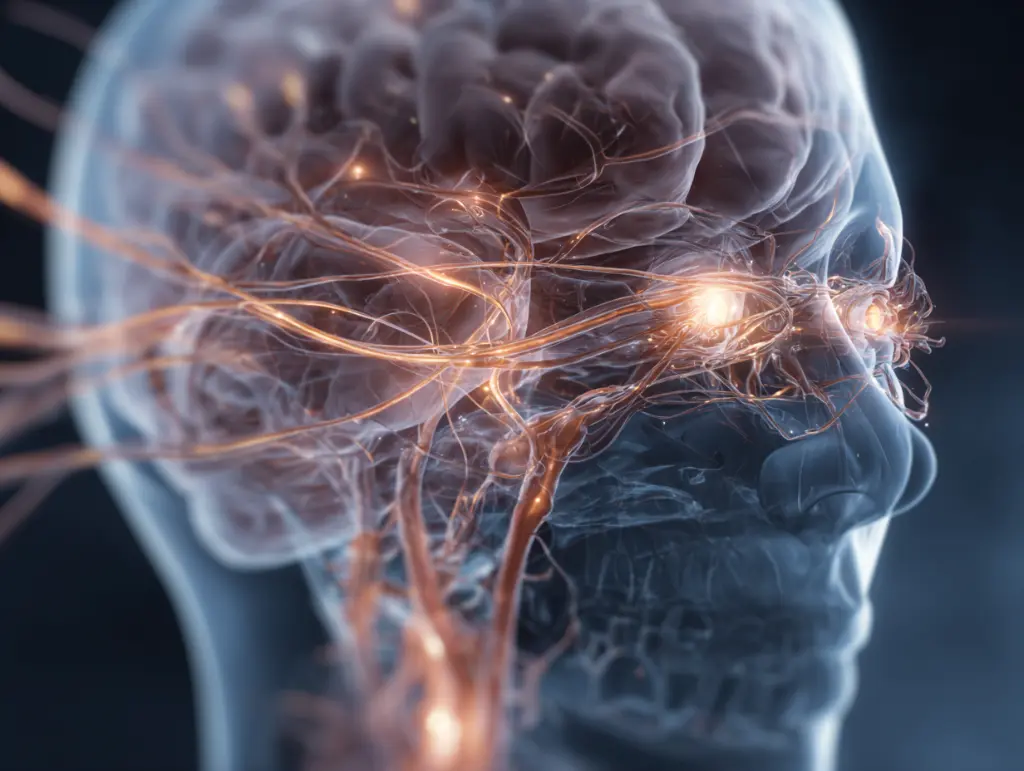

.png)

Cranial Nerves & The Ocular Motor System
Master cranial nerve function and ocular motor control.
$
$
(
$
Course Description
This comprehensive module explores the 12 cranial nerves and the ocular motor system—two vital components of neurological function and clinical evaluation. Scholars will gain in-depth knowledge of each cranial nerve's structure, function, and role as a final common pathway for brain-environment interaction. Diagnostic testing and management strategies for common cranial nerve disorders will be emphasized. In the second half of the module, participants will focus on the ocular motor system, learning how the brain and brainstem control eye movements to maintain visual stability. Clinicians will learn to perform ocular examinations, interpret results, and design customized rehabilitation strategies to address ocular motor dysfunctions.
What you’ll learn:
- Describe the anatomy and function of all 12 cranial nerves.
- Perform diagnostic evaluations for cranial nerve and ocular motor dysfunctions.
- Analyze eye movement control systems and their brainstem connectivity.
- Develop individualized rehabilitation strategies for ocular motor deficits.
- Differentiate clinical conditions affecting cranial nerves and ocular systems.
Components
Educational Syllabus
- Foundations of Cranial Nerve Function
- Embryological development of cranial nerves
- Functional classification: sensory and motor divisions (GSA, GSE, GVA, GVE, SSA, SVA, SVE)
- Clinical anatomy of cranial bones, foramina, and common compression sites
- Brainstem organization: medulla, pons, and mesencephalon
- Cranial nerve nuclei and vascular supply
- Reticular formation and integrative brainstem functions
- Cranial nerve examination procedures
- Visual and auditory testing (olfactory, optic, oculomotor, trochlear, trigeminal, abducens, facial)
- Fundoscopic and visual acuity testing (Snellen, field assessment)
- Lower cranial nerve assessment (VIII–XII)
- Auditory and vestibular testing: Weber, Rinne, and caloric stimulation
- Integrative neuroanatomy: vagus, accessory, and hypoglossal pathways
- Rehabilitation principles for cranial nerve dysfunction
- Metabolic capacity and plasticity support
- Active activation and inhibition techniques
- Ocular Motor System: Structure and Control
- Clinical anatomy of ocular motility
- Extraocular muscle function and neural innervation
- Central control systems for gaze and fixation
- Types of eye movements and neural substrates
- Vergence, gaze holding, pursuit, saccades, and optokinetic mechanisms
- Central integration of ocular motility
- Pathophysiology of ocular motor disorders
- Convergence insufficiency, gaze-holding nystagmus, pursuit deficits
- Disorders of saccades: latency, symmetry, and pharmacological modulation
- Disorders of the optokinetic system and diagnostic contamination
- Neuroanatomical correlates of saccadic control
- Clinical Integration & Rehabilitation
- Clinical diagnosis of ocular motor dysfunction
- Case analysis: convergence insufficiency, saccadic intrusions, vertical gaze palsy
- Review of imaging and laboratory findings
- Rehabilitation applications:
- Olfactory, visual, and oculomotor exercises
- Hemi-field and color stimulation
- VOR and OPK training
- Cranial nerve rehabilitation strategies:
- Trigeminal and facial nerve activation
- Limbic and cortical-based facial expression exercises
- Myofascial and TMJ manipulation
- Advanced oculomotor rehabilitation:
- Convergence/accommodation therapy
- Saccadic and pursuit retraining
- Visual-vestibular integration for dynamic gaze control
- Neural plasticity modulation for chronic conditions
Venue, Hotels & Schedule
Adelaide, Australia
Venue
Australian Chiropractic College (ACC) Adelaide Campus
Adelaide Campus, Level 2/101 Grenfell St,
Adelaide SA 5000, Australia
Phone:
Airport:
Schedule:
Friday: 1:00 PM to 7:00 PM
Saturday: 9:00 AM to 7:00 PM
Sunday: 9:00 AM to 3:00 PM
Time Zone:
Dress Code:
Suggested Hotels

Ibis Adelaide
122 Grenfell Street Adelaide,
Adelaide, South Australia 5000
Australia
Phone:
(+61)8/815955888 Minute walk from venue
Minneappolis/St. Paul, Minnesota Area
Venue
The Functional Neurology Center
11055 Wayzata Blvd
Minnetonka, MN 55305
USA
Airport:
Schedule:
Friday: 2:00 PM to 6:00 PM
Saturday: 9:00 AM to 6:00 PM
Sunday: 9:00 AM to 6:00 PM
Time Zone:
Dress Code:
Suggested Hotels
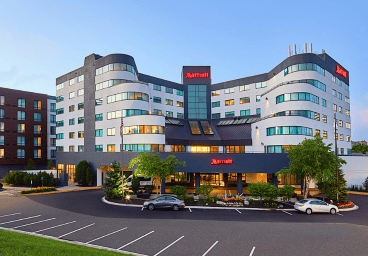
Minneapolis Marriott West
Orlando, Florida Area
Venue
Carrick Institute Learning Center
8910 Astronaut Blvd.
Cape Canaveral, FL 32920
USA
Phone:
Airport:
Schedule:
Friday: 2:00 PM to 6:00 PM
Saturday: 9:00 AM to 6:00 PM
Sunday: 9:00 AM to 6:00 PM
Time Zone:
Dress Code:
Suggested Hotels

Homewood Suites by Hilton Cape Canaveral-Cocoa Beach
This hotel is directly adjacent to the Carrick Institute Learning Center. It is about a 1-2 minute walk and has great views of rocket launches from the north side.

Hampton Inn & Suites Cape Canaveral Cruise Port
This hotel is just adjacent the Carrick Institute and is connected to the Homewood Suites. It will take approximately 2 minutes to walk to the Carrick Institute Learning Center. It has a pool, outdoor basketball court, and a gym.
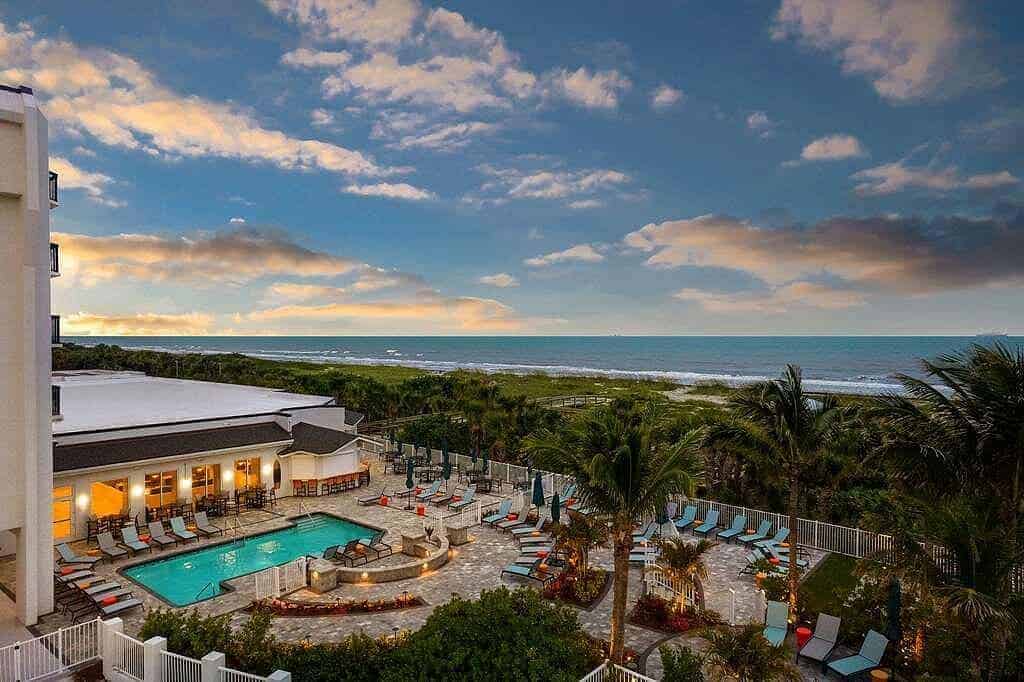
Hilton Garden Inn Cocoa Beach Oceanfront
This hotel is not walking distance from the Carrick Institute, but is right on the beach, just south of the Cocoa Beach Pier. You will need a car to get from the hotel to the Carrick Institute Learning Center. It is about a 5-10 minute drive depending on traffic and local events.
Also includes
Cranial Nerves & The Ocular Motor System
Master cranial nerve function and ocular motor control.
$
$
(
$
The Carrick Institute team is ready to assist with enrollment, CE approval, or program planning. Email visit our CE Portal or Contact Us directly.