

.png)
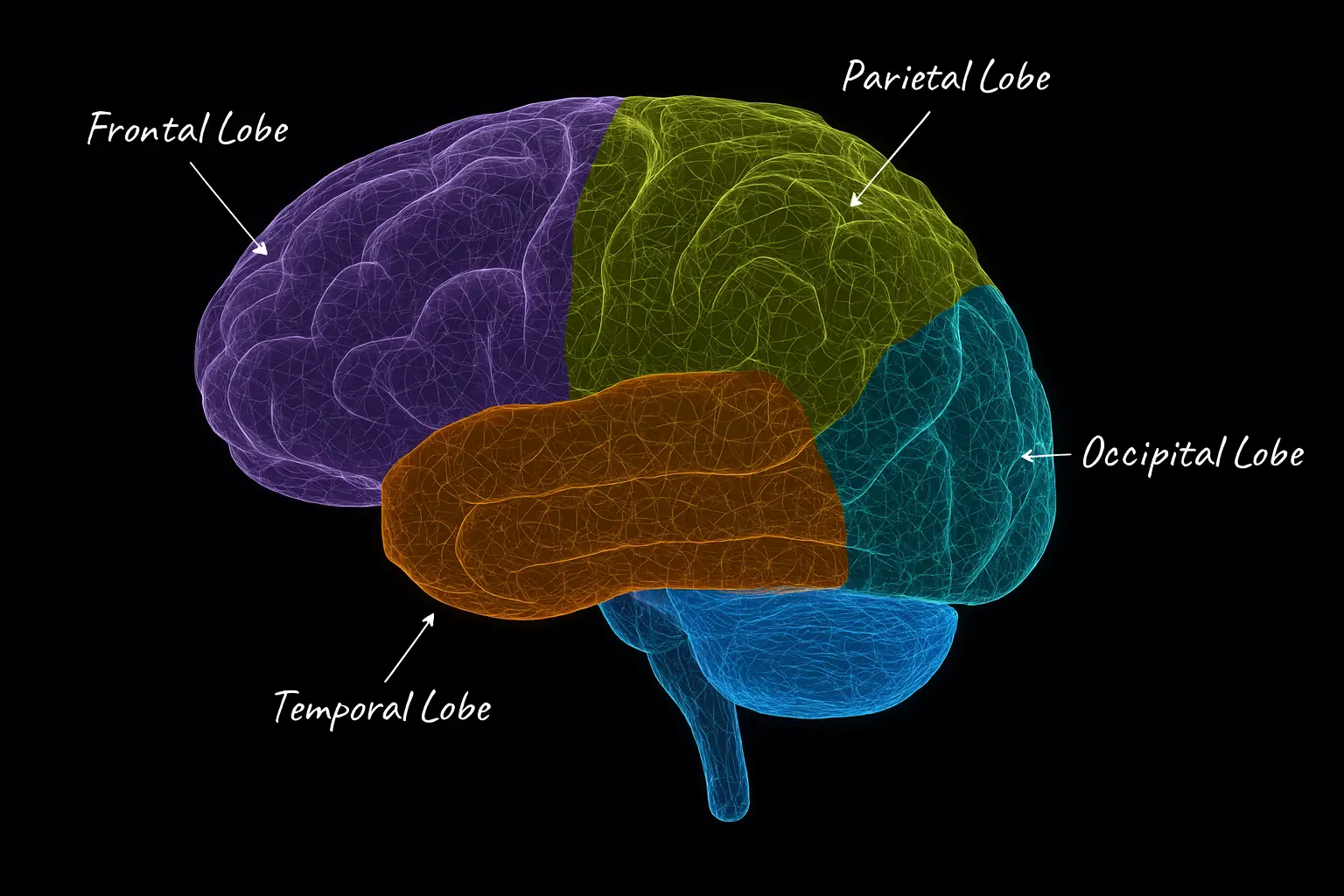
Frontal-Parietal-Temporal Lobe Structure & Function
This 25-hour advanced module explores the root causes and clinical applications for neuroinflammation and neurodegeneration. Learn how to assess and manage conditions like Alzheimer’s, Parkinson’s, and TBI using tools grounded in neuroscience.
$
$
(
$
Course Description
CNS Module 6 provides clinicians with an in-depth understanding of neuroinflammatory and neurodegenerative mechanisms, highlighting their role in modern neurological and cognitive health disorders. This comprehensive module covers both foundational and cutting-edge concepts such as autophagy, mitophagy, and the immune system’s influence on neurodegeneration.
Attendees will explore the clinical presentation, diagnostics, and management strategies for conditions such as traumatic brain injury (TBI), Parkinson’s disease, Alzheimer’s disease, and frontotemporal dementia. The course also includes an applied overview of therapeutic interventions like diet, supplementation, and lifestyle modifications targeted at reducing neuroinflammation and supporting healthy brain aging.
What you’ll learn:
- Explain key cellular processes such as autophagy, mitophagy, apoptosis, and necrosis in relation to neurodegeneration.
- Identify the pathophysiology and clinical presentation of neuroinflammatory conditions including Parkinson’s, Alzheimer’s, and dementia.
- Utilize diagnostic frameworks for evaluating patients with TBI and neurodegenerative risk factors.
- Apply evidence-based interventions to modulate neuroinflammation and support cognitive function, including diet, fasting, exercise, and supplementation.
- Analyze the gut-brain connection, immune system dysfunction, and mitochondrial health in the context of brain aging.
- Distinguish between body-first and brain-first Parkinson’s disease subtypes and their respective risk factors.
- Incorporate cognitive screening tools such as MOCA and SAGE into clinical evaluations.
- Discuss strategies for neuroprotection, neuroplasticity, and functional longevity through clinical neuroscience.
Components
Educational Syllabus
- Day 1
- Overview of frontal & parietal lobe structures and vascular supply
- Afferent/efferent projections and anatomical localization
- Functional theories: posture, movement, cognition, behavior
- Sensory and psychometric assessment tools
- Clinical disorders: vascular, inflammatory, metabolic, functional
- Neurological exam: hemispheric localization and Broadman’s taxonomy
- Lesion differentiation: single, multiple, or systemic
- Rehab principles: plasticity, frequency/intensity/duration strategies
- Sensorimotor rehab: ocular, tactile, cognitive, vestibular inputs
- Day 2
- Functional anatomy of the temporal and limbic lobes
- Deep brain structures: amygdala, hippocampus, insula, etc.
- Circuitry and sensory-affective integration
- Clinical syndromes: amnesia, dementia, aphasia, agnosia, depression, anxiety
- Emotional dysregulation and autonomic signs
- Diagnostic strategies: emotional response testing, autonomic assessment
- Rehab strategies: auditory, olfactory, visual, tactile stimulation
- Hemispheric targeting of sensory stimuli for therapeutic effect
- Day 3
- Clinical case walkthroughs: real-world applications of localization and rehab
- Hemispheric rehabilitation planning: left-right balance strategies
- Functional integration of sensory-cognitive-behavioral findings
- Designing patient-specific protocols using learned techniques
- Final review: clinical pearls, open discussion, case-based Q&AAssessment and knowledge check
Venue, Hotels & Schedule
Adelaide, Australia
Venue
Australian Chiropractic College (ACC) Adelaide Campus
Adelaide Campus, Level 2/101 Grenfell St,
Adelaide SA 5000, Australia
Phone:
Airport:
Schedule:
Friday: 1:00 PM to 7:00 PM
Saturday: 9:00 AM to 7:00 PM
Sunday: 9:00 AM to 3:00 PM
Time Zone:
Dress Code:
Suggested Hotels
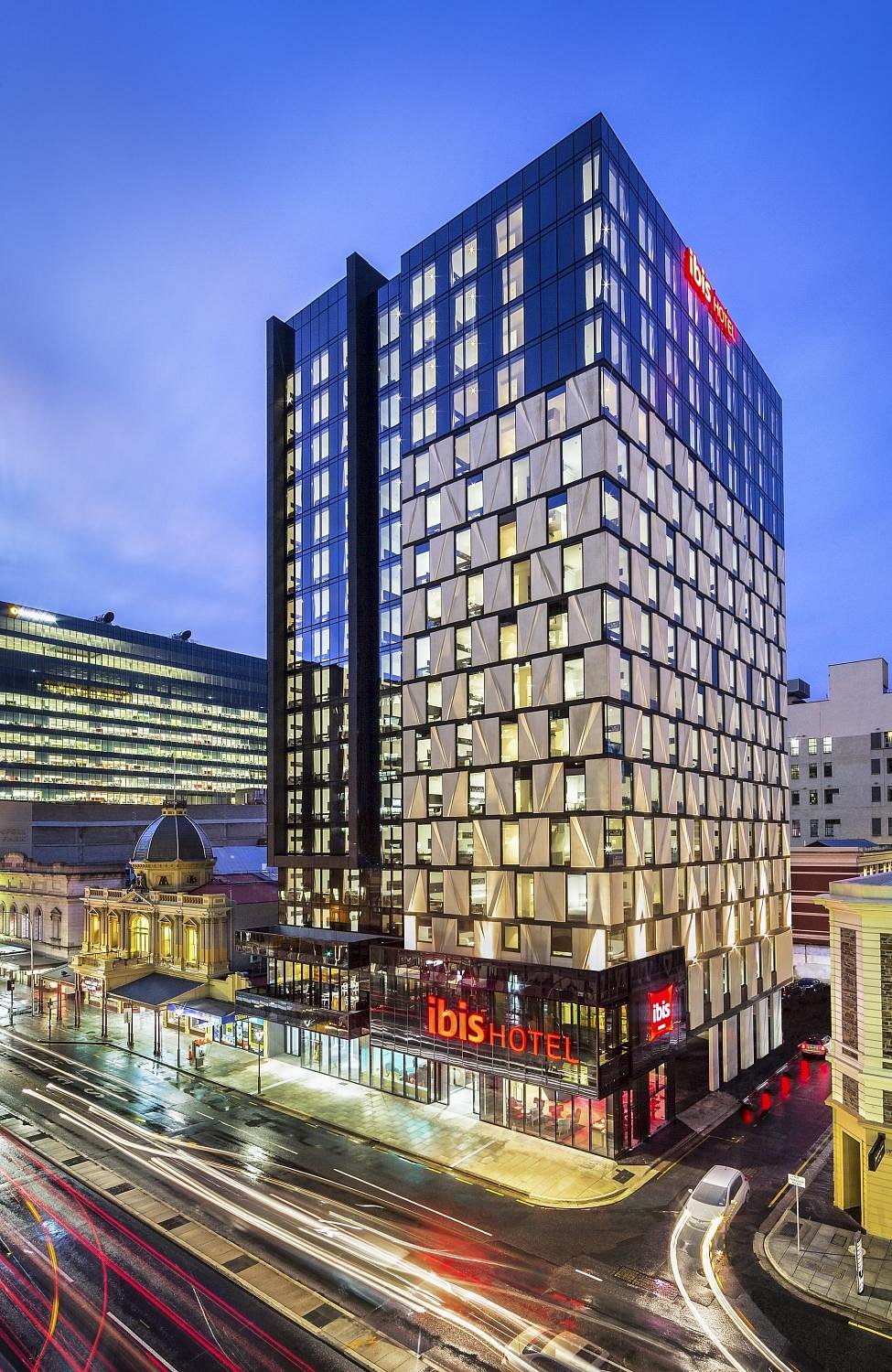
Ibis Adelaide
122 Grenfell Street Adelaide,
Adelaide, South Australia 5000
Australia
Phone:
(+61)8/815955888 Minute walk from venue
Minneappolis/St. Paul, Minnesota Area
Venue
The Functional Neurology Center
11055 Wayzata Blvd
Minnetonka, MN 55305
USA
Airport:
Schedule:
Friday: 2:00 PM to 6:00 PM
Saturday: 9:00 AM to 6:00 PM
Sunday: 9:00 AM to 6:00 PM
Time Zone:
Dress Code:
Suggested Hotels
Minneapolis Marriott West
Orlando, Florida Area
Venue
Carrick Institute Learning Center
8910 Astronaut Blvd.
Cape Canaveral, FL 32920
USA
Phone:
Airport:
Schedule:
Friday: 2:00 PM to 6:00 PM
Saturday: 9:00 AM to 6:00 PM
Sunday: 9:00 AM to 6:00 PM
Time Zone:
Dress Code:
Suggested Hotels

Homewood Suites by Hilton Cape Canaveral-Cocoa Beach
This hotel is directly adjacent to the Carrick Institute Learning Center. It is about a 1-2 minute walk and has great views of rocket launches from the north side.

Hampton Inn & Suites Cape Canaveral Cruise Port
This hotel is just adjacent the Carrick Institute and is connected to the Homewood Suites. It will take approximately 2 minutes to walk to the Carrick Institute Learning Center. It has a pool, outdoor basketball court, and a gym.
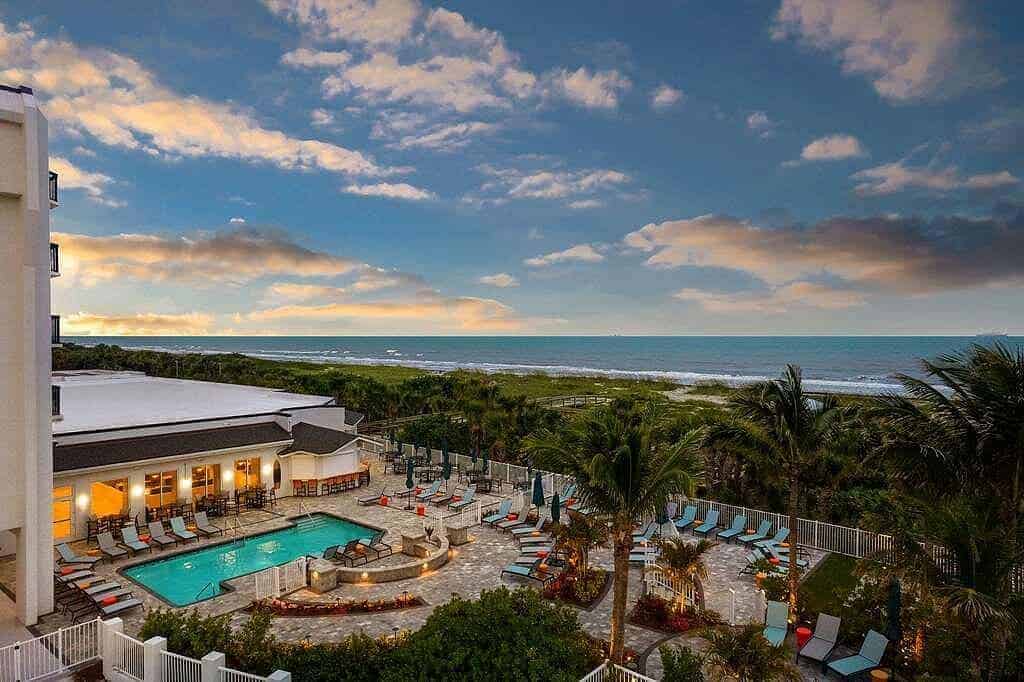
Hilton Garden Inn Cocoa Beach Oceanfront
This hotel is not walking distance from the Carrick Institute, but is right on the beach, just south of the Cocoa Beach Pier. You will need a car to get from the hotel to the Carrick Institute Learning Center. It is about a 5-10 minute drive depending on traffic and local events.
Also includes
Frontal-Parietal-Temporal Lobe Structure & Function
This 25-hour advanced module explores the root causes and clinical applications for neuroinflammation and neurodegeneration. Learn how to assess and manage conditions like Alzheimer’s, Parkinson’s, and TBI using tools grounded in neuroscience.
$
$
(
$
The Carrick Institute team is ready to assist with enrollment, CE approval, or program planning. Email visit our CE Portal or Contact Us directly.