.png)

Functional Neurological Disorder
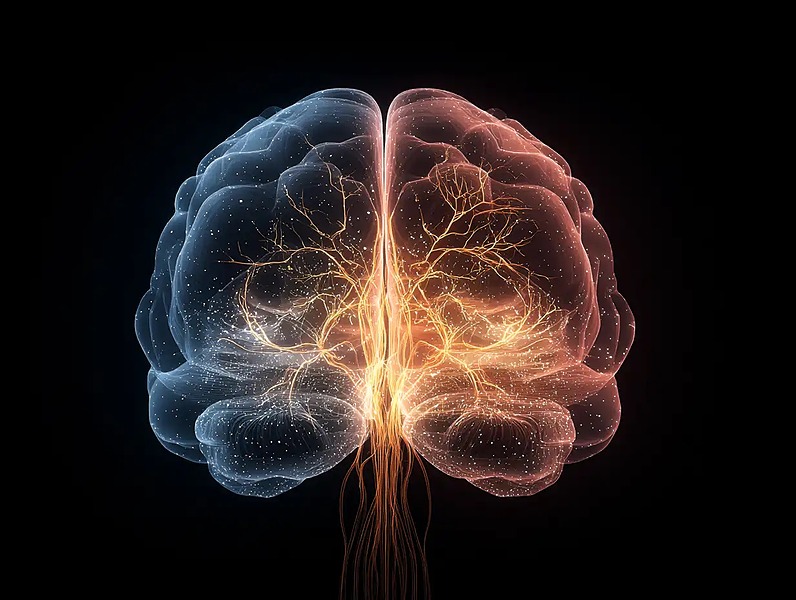
Functional Neurological Disorder sits in a difficult gap: the symptoms are unmistakably neurological, but standard imaging is normal, so patients are too often told nothing is wrong or that it's "all in their head." That message is both inaccurate and harmful. Without clinicians who understand FND as a genuine disorder of brain function, patients can spend years dismissed, misdiagnosed, or bounced between specialties.
Also known as
FND, conversion disorder, functional movement disorder, functional weakness, functional tremor, functional seizures, PNES, psychogenic, non-epileptic attacks, dissociative seizures, dissociative motor disorder, functional gait disorder, functional dystonia, somatoform, medically unexplained neurological symptoms
ICD-10
F44.4 (Conversion disorder with motor deficit), F44.5 (Dissociative convulsions), F44.6 (Conversion disorder with sensory deficit), F44.7 (Mixed dissociative disorders)
How focused education closes the gap
Clinicians who understand FND treat it as a real disorder of nervous-system functioning, with a path forward.- Assess the functional patterns that distinguish FND from other conditions- Identify the disorder accurately rather than defaulting to dismissal- Translate that understanding into a rehabilitation-oriented, validating plan
%
Off
<svg xmlns="http://www.w3.org/2000/svg" fill="none" viewBox="0 0 101 100"><path stroke="currentColor" stroke-linecap="round" stroke-linejoin="round" stroke-width="6" d="M21.166 56.25H79.5m-29.167 0V100M27.417 45.833v-18.75h-4.884a12.5 12.5 0 0 0-12.108 9.396L2.417 67.71v1.04h29.166V75c0 6.25 0 10.418 3.125 16.668 0 0 3.125 6.25 7.292 6.25m31.25-52.084v-18.75h4.883a12.5 12.5 0 0 1 12.109 9.396l8.008 31.23v1.04H69.083V75c0 6.25 0 10.418-3.125 16.668 0 0-3.125 6.25-7.291 6.25M26.79 18.75s-6.666-4.167-6.666-9.375a7.283 7.283 0 0 1 14.566 0c0 5.208-6.65 9.375-6.65 9.375h-1.25Zm47.084 0s6.666-4.167 6.666-9.375a7.291 7.291 0 0 0-7.291-7.292c-4.025 0-7.275 3.267-7.275 7.292 0 5.208 6.65 9.375 6.65 9.375h1.25Z"/></svg>
<svg xmlns="http://www.w3.org/2000/svg" fill="none" viewBox="0 0 120 120"><path stroke="currentColor" stroke-linecap="round" stroke-width="6" d="M98.353 18.047a56.422 56.422 0 0 1 7.442 9.023 60.989 60.989 0 0 1 5.449 10.196 56.716 56.716 0 0 1 3.34 11.074A64.591 64.591 0 0 1 115.756 60c0 3.945-.372 7.832-1.114 11.66a54.25 54.25 0 0 1-3.398 11.074 67.288 67.288 0 0 1-5.449 10.196 52.537 52.537 0 0 1-7.442 9.023m-76.706 0a56.398 56.398 0 0 1-7.441-9.023 60.906 60.906 0 0 1-5.45-10.196 56.634 56.634 0 0 1-3.34-11.074A64.49 64.49 0 0 1 4.245 60c0-3.945.37-7.832 1.113-11.66a54.235 54.235 0 0 1 3.398-11.074 67.205 67.205 0 0 1 5.45-10.196 52.516 52.516 0 0 1 7.441-9.023m60.827 15.879c3.477 3.515 6.133 7.5 7.97 11.953 1.835 4.453 2.772 9.16 2.812 14.121 0 4.922-.918 9.61-2.754 14.063-1.836 4.453-4.512 8.456-8.028 12.011m-44.948 0c-3.477-3.515-6.133-7.5-7.969-11.953-1.836-4.453-2.773-9.16-2.812-14.121 0-4.922.918-9.61 2.753-14.063 1.836-4.453 4.512-8.456 8.028-12.011M60 45.644c1.992 0 3.848.372 5.567 1.114a14.584 14.584 0 0 1 4.57 3.105 13.956 13.956 0 0 1 3.047 4.512c.703 1.68 1.093 3.555 1.172 5.625 0 1.992-.371 3.848-1.114 5.566a14.584 14.584 0 0 1-3.105 4.57 13.956 13.956 0 0 1-4.512 3.048c-1.68.703-3.555 1.093-5.625 1.172-1.992 0-3.848-.372-5.566-1.114a14.584 14.584 0 0 1-4.57-3.105 13.956 13.956 0 0 1-3.047-4.512c-.704-1.68-1.094-3.555-1.172-5.625 0-1.992.37-3.848 1.113-5.566a14.584 14.584 0 0 1 3.105-4.57 13.956 13.956 0 0 1 4.512-3.048c1.68-.703 3.555-1.093 5.625-1.172Z"/></svg>

Neurology of Movement/ Case Studies
Master the neural architecture of movement, from basal ganglia circuitry to clinical assessment of complex movement disorders. 25 CE credits.
$
/hr.
$
/hr.
$
/hr.
$
/hr.
$
/hr.
$
/hr.
|
hours
Functional Neurological Disorder (FND) is a condition in which the nervous system's functioning is disrupted, producing real neurological symptoms — limb weakness, tremor, gait problems, or non-epileptic seizures — without the structural disease seen on standard imaging. It's one of the most common conditions seen in neurology clinics, yet one of the most misunderstood, and that misunderstanding causes real harm. Modern understanding has moved well beyond the old "conversion disorder" framing: FND is now recognized as a genuine problem of how brain networks communicate, and the symptoms are not consciously produced. This shift matters enormously, because accurate, validating diagnosis is itself a key part of effective care. A functional neurology approach recognizes the positive signs that distinguish FND from other conditions and directs patients toward rehabilitation rather than a dead end. For people who have been told there's nothing wrong while living with disabling symptoms, simply being correctly understood is often the first genuine step forward. That accurate, validating recognition is not a footnote to treatment — for many patients it is the foundation on which genuine recovery is built.
FND can affect almost any neurological function, often fluctuating noticeably:- Limb weakness or paralysis without structural cause- Tremor or abnormal movements- Non-epileptic seizures (PNES)- Gait and balance disturbances- Sensory changes, numbness, or visual symptoms- Symptoms that vary with attention or distraction
In FND, the hardware of the nervous system is intact, but the software — how brain networks communicate and direct movement and sensation — malfunctions. This produces symptoms that are genuine and entirely involuntary, yet not explained by structural damage, which is exactly why scans look normal. The diagnostic gap is acute here: a model that equates "normal scan" with "no problem" leaves these patients dismissed, sometimes for years. Clinicians trained in functional neurology can recognize the positive functional signs that distinguish FND from other conditions and understand it as a real disorder of brain function, allowing accurate, validating diagnosis and a genuine path toward rehabilitation.
What to expect
Do you work with companies outside North America?
Yes. We run programs internationally and have active partnerships across the US, Europe, and Asia-Pacific. Our Haarlem, Cape Canaveral, Minnetonka, and Adelaide venues reflect the global reach of our community.
Can we sponsor an existing course instead of creating a new one?
Yes — this is a common "Advertise With CI" arrangement. Sponsoring a module, livestream, or course gives you aligned visibility without the lead time of building new content. Get in touch to discuss available opportunities.
How is pricing structured?
Partnerships are priced based on scope, reach, and scale. We share specifics during a discovery call once we understand what you're looking to accomplish.
Who owns the content we co-create?
IP arrangements vary by partnership. For most "Create With CI" engagements, CI retains ownership of the curriculum format and delivery infrastructure while partners retain rights over their branded content and any proprietary clinical content they bring. We detail this in every agreement.
Do you offer exclusivity?
Within certain partnership tiers and campaign windows, yes. Exclusivity is always negotiated per engagement and reflects the scale of commitment.
How long is a typical engagement?
t depends on the partnership type. Advertising and sponsorships can start within weeks. Custom content co-creation ("Create With CI") typically takes 3–6 months from agreement to release. On-site program delivery ("Bring CI To You") varies by scale — a single-day presentation can be arranged in a month or two; a multi-module program may take a full year to plan and execute.
Not sure where to start?
Take our short guided quiz to find the right entry point based on your experience, license, and goals.