.png)

Stroke & Cerebrovascular Recovery
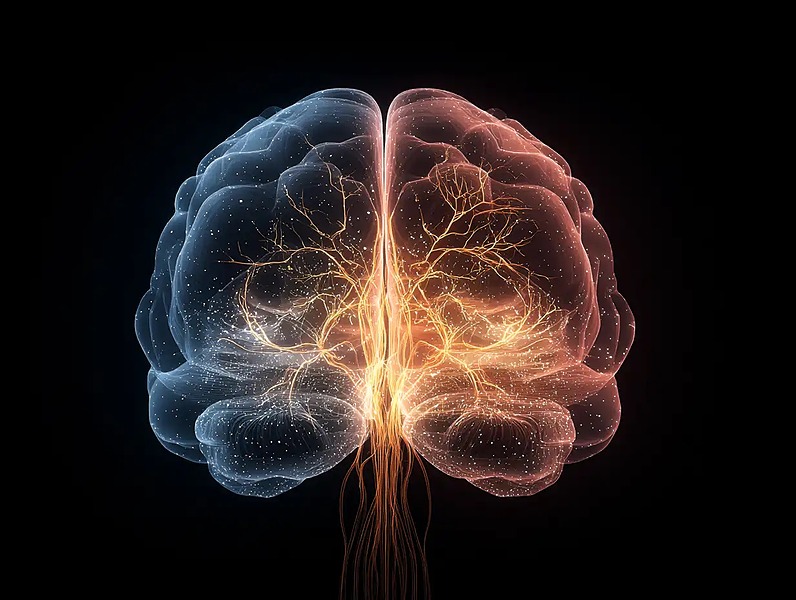
After the acute treatment of a stroke, formal rehabilitation is often time-limited, and many survivors are discharged with the impression that recovery plateaus after the first few months. Yet the brain retains a meaningful capacity to reorganize well beyond that window. This leaves many survivors under-served in the long recovery phase, where continued, targeted rehabilitation could still drive real progress.
Also known as
stroke, CVA, cerebrovascular accident, TIA, transient ischemic attack, stroke rehab, hemiparesis, aphasia, neuroplasticity, motor recovery
ICD-10
I63 (Cerebral infarction), I61 (Intracerebral hemorrhage), G45 (TIA), I69 (Sequelae of cerebrovascular disease)
How focused education closes the gap
Clinicians trained in neurorehabilitation can support recovery by harnessing neuroplasticity.- Assess the specific neurological functions affected and their recovery potential- Identify targeted opportunities to drive continued progress- Translate findings into an active, plasticity-based rehabilitation plan
%
Off
<svg xmlns="http://www.w3.org/2000/svg" fill="none" viewBox="0 0 120 120"><path stroke="currentColor" stroke-linecap="round" stroke-width="6" d="M115.6 89.143V30.857c0-6.411-5.231-11.657-11.625-11.657h-88.35C9.231 19.2 4 24.446 4 30.857v58.286C4 95.554 9.231 100.8 15.625 100.8h88.35c6.394 0 11.625-5.246 11.625-11.657ZM53.08 78.48c-3.09 2.066-7.23-.155-7.23-3.88V45.399c0-3.724 4.14-5.945 7.23-3.88L74.92 56.12c2.761 1.846 2.761 5.914 0 7.76L53.08 78.48Z"/></svg>

AI Eye Movement Neurorehabilitation
A 1-credit ISCN lecture exploring AI-enhanced eye movement technologies for neurorehabilitation in stroke patients and children with neurodevelopmental neglect and learning challenges.
$
/hr.
$
/hr.
$
/hr.
$
/hr.
$
/hr.
$
/hr.
|
hours
%
Off
<svg xmlns="http://www.w3.org/2000/svg" fill="none" viewBox="0 0 101 100"><path stroke="currentColor" stroke-linecap="round" stroke-linejoin="round" stroke-width="6" d="M21.166 56.25H79.5m-29.167 0V100M27.417 45.833v-18.75h-4.884a12.5 12.5 0 0 0-12.108 9.396L2.417 67.71v1.04h29.166V75c0 6.25 0 10.418 3.125 16.668 0 0 3.125 6.25 7.292 6.25m31.25-52.084v-18.75h4.883a12.5 12.5 0 0 1 12.109 9.396l8.008 31.23v1.04H69.083V75c0 6.25 0 10.418-3.125 16.668 0 0-3.125 6.25-7.291 6.25M26.79 18.75s-6.666-4.167-6.666-9.375a7.283 7.283 0 0 1 14.566 0c0 5.208-6.65 9.375-6.65 9.375h-1.25Zm47.084 0s6.666-4.167 6.666-9.375a7.291 7.291 0 0 0-7.291-7.292c-4.025 0-7.275 3.267-7.275 7.292 0 5.208 6.65 9.375 6.65 9.375h1.25Z"/></svg>
<svg xmlns="http://www.w3.org/2000/svg" fill="none" viewBox="0 0 120 120"><path stroke="currentColor" stroke-linecap="round" stroke-width="6" d="M98.353 18.047a56.422 56.422 0 0 1 7.442 9.023 60.989 60.989 0 0 1 5.449 10.196 56.716 56.716 0 0 1 3.34 11.074A64.591 64.591 0 0 1 115.756 60c0 3.945-.372 7.832-1.114 11.66a54.25 54.25 0 0 1-3.398 11.074 67.288 67.288 0 0 1-5.449 10.196 52.537 52.537 0 0 1-7.442 9.023m-76.706 0a56.398 56.398 0 0 1-7.441-9.023 60.906 60.906 0 0 1-5.45-10.196 56.634 56.634 0 0 1-3.34-11.074A64.49 64.49 0 0 1 4.245 60c0-3.945.37-7.832 1.113-11.66a54.235 54.235 0 0 1 3.398-11.074 67.205 67.205 0 0 1 5.45-10.196 52.516 52.516 0 0 1 7.441-9.023m60.827 15.879c3.477 3.515 6.133 7.5 7.97 11.953 1.835 4.453 2.772 9.16 2.812 14.121 0 4.922-.918 9.61-2.754 14.063-1.836 4.453-4.512 8.456-8.028 12.011m-44.948 0c-3.477-3.515-6.133-7.5-7.969-11.953-1.836-4.453-2.773-9.16-2.812-14.121 0-4.922.918-9.61 2.753-14.063 1.836-4.453 4.512-8.456 8.028-12.011M60 45.644c1.992 0 3.848.372 5.567 1.114a14.584 14.584 0 0 1 4.57 3.105 13.956 13.956 0 0 1 3.047 4.512c.703 1.68 1.093 3.555 1.172 5.625 0 1.992-.371 3.848-1.114 5.566a14.584 14.584 0 0 1-3.105 4.57 13.956 13.956 0 0 1-4.512 3.048c-1.68.703-3.555 1.093-5.625 1.172-1.992 0-3.848-.372-5.566-1.114a14.584 14.584 0 0 1-4.57-3.105 13.956 13.956 0 0 1-3.047-4.512c-.704-1.68-1.094-3.555-1.172-5.625 0-1.992.37-3.848 1.113-5.566a14.584 14.584 0 0 1 3.105-4.57 13.956 13.956 0 0 1 4.512-3.048c1.68-.703 3.555-1.093 5.625-1.172Z"/></svg>
Autonomic Nervous System & Intracranial Vascular Disorders
Map the full autonomic network, localize vascular disorders, and build the clinical examination skills your most complex patients have been waiting for.
$
/hr.
$
/hr.
$
/hr.
$
/hr.
$
/hr.
$
/hr.
|
hours
%
Off
<svg xmlns="http://www.w3.org/2000/svg" fill="none" viewBox="0 0 120 120"><path stroke="currentColor" stroke-linecap="round" stroke-width="6" d="M115.6 89.143V30.857c0-6.411-5.231-11.657-11.625-11.657h-88.35C9.231 19.2 4 24.446 4 30.857v58.286C4 95.554 9.231 100.8 15.625 100.8h88.35c6.394 0 11.625-5.246 11.625-11.657ZM53.08 78.48c-3.09 2.066-7.23-.155-7.23-3.88V45.399c0-3.724 4.14-5.945 7.23-3.88L74.92 56.12c2.761 1.846 2.761 5.914 0 7.76L53.08 78.48Z"/></svg>
Eye-Brain-Body: 3D Neurorehab & AI Mess Roadmap
Transform your neurological assessment capabilities through advanced oculomotor analysis, integrating 3D evaluation techniques with AI-enhanced diagnostics.
$
/hr.
$
/hr.
$
/hr.
$
/hr.
$
/hr.
$
/hr.
|
hours
%
Off
<svg xmlns="http://www.w3.org/2000/svg" fill="none" viewBox="0 0 101 100"><path stroke="currentColor" stroke-linecap="round" stroke-linejoin="round" stroke-width="6" d="M21.166 56.25H79.5m-29.167 0V100M27.417 45.833v-18.75h-4.884a12.5 12.5 0 0 0-12.108 9.396L2.417 67.71v1.04h29.166V75c0 6.25 0 10.418 3.125 16.668 0 0 3.125 6.25 7.292 6.25m31.25-52.084v-18.75h4.883a12.5 12.5 0 0 1 12.109 9.396l8.008 31.23v1.04H69.083V75c0 6.25 0 10.418-3.125 16.668 0 0-3.125 6.25-7.291 6.25M26.79 18.75s-6.666-4.167-6.666-9.375a7.283 7.283 0 0 1 14.566 0c0 5.208-6.65 9.375-6.65 9.375h-1.25Zm47.084 0s6.666-4.167 6.666-9.375a7.291 7.291 0 0 0-7.291-7.292c-4.025 0-7.275 3.267-7.275 7.292 0 5.208 6.65 9.375 6.65 9.375h1.25Z"/></svg>
<svg xmlns="http://www.w3.org/2000/svg" fill="none" viewBox="0 0 120 120"><path stroke="currentColor" stroke-linecap="round" stroke-width="6" d="M98.353 18.047a56.422 56.422 0 0 1 7.442 9.023 60.989 60.989 0 0 1 5.449 10.196 56.716 56.716 0 0 1 3.34 11.074A64.591 64.591 0 0 1 115.756 60c0 3.945-.372 7.832-1.114 11.66a54.25 54.25 0 0 1-3.398 11.074 67.288 67.288 0 0 1-5.449 10.196 52.537 52.537 0 0 1-7.442 9.023m-76.706 0a56.398 56.398 0 0 1-7.441-9.023 60.906 60.906 0 0 1-5.45-10.196 56.634 56.634 0 0 1-3.34-11.074A64.49 64.49 0 0 1 4.245 60c0-3.945.37-7.832 1.113-11.66a54.235 54.235 0 0 1 3.398-11.074 67.205 67.205 0 0 1 5.45-10.196 52.516 52.516 0 0 1 7.441-9.023m60.827 15.879c3.477 3.515 6.133 7.5 7.97 11.953 1.835 4.453 2.772 9.16 2.812 14.121 0 4.922-.918 9.61-2.754 14.063-1.836 4.453-4.512 8.456-8.028 12.011m-44.948 0c-3.477-3.515-6.133-7.5-7.969-11.953-1.836-4.453-2.773-9.16-2.812-14.121 0-4.922.918-9.61 2.753-14.063 1.836-4.453 4.512-8.456 8.028-12.011M60 45.644c1.992 0 3.848.372 5.567 1.114a14.584 14.584 0 0 1 4.57 3.105 13.956 13.956 0 0 1 3.047 4.512c.703 1.68 1.093 3.555 1.172 5.625 0 1.992-.371 3.848-1.114 5.566a14.584 14.584 0 0 1-3.105 4.57 13.956 13.956 0 0 1-4.512 3.048c-1.68.703-3.555 1.093-5.625 1.172-1.992 0-3.848-.372-5.566-1.114a14.584 14.584 0 0 1-4.57-3.105 13.956 13.956 0 0 1-3.047-4.512c-.704-1.68-1.094-3.555-1.172-5.625 0-1.992.37-3.848 1.113-5.566a14.584 14.584 0 0 1 3.105-4.57 13.956 13.956 0 0 1 4.512-3.048c1.68-.703 3.555-1.093 5.625-1.172Z"/></svg>
Functional Neurology Excellence Bundle
A complete framework for understanding how the brain develops, adapts, and changes-equipping providers to find and fix neurological "software" problems invisible on imaging, yet life-changing when corrected.
$
/hr.
$
/hr.
$
/hr.
$
/hr.
$
/hr.
$
/hr.
|
hours
%
Off
<svg xmlns="http://www.w3.org/2000/svg" fill="none" viewBox="0 0 120 120"><path stroke="currentColor" stroke-linecap="round" stroke-width="6" d="M98.353 18.047a56.422 56.422 0 0 1 7.442 9.023 60.989 60.989 0 0 1 5.449 10.196 56.716 56.716 0 0 1 3.34 11.074A64.591 64.591 0 0 1 115.756 60c0 3.945-.372 7.832-1.114 11.66a54.25 54.25 0 0 1-3.398 11.074 67.288 67.288 0 0 1-5.449 10.196 52.537 52.537 0 0 1-7.442 9.023m-76.706 0a56.398 56.398 0 0 1-7.441-9.023 60.906 60.906 0 0 1-5.45-10.196 56.634 56.634 0 0 1-3.34-11.074A64.49 64.49 0 0 1 4.245 60c0-3.945.37-7.832 1.113-11.66a54.235 54.235 0 0 1 3.398-11.074 67.205 67.205 0 0 1 5.45-10.196 52.516 52.516 0 0 1 7.441-9.023m60.827 15.879c3.477 3.515 6.133 7.5 7.97 11.953 1.835 4.453 2.772 9.16 2.812 14.121 0 4.922-.918 9.61-2.754 14.063-1.836 4.453-4.512 8.456-8.028 12.011m-44.948 0c-3.477-3.515-6.133-7.5-7.969-11.953-1.836-4.453-2.773-9.16-2.812-14.121 0-4.922.918-9.61 2.753-14.063 1.836-4.453 4.512-8.456 8.028-12.011M60 45.644c1.992 0 3.848.372 5.567 1.114a14.584 14.584 0 0 1 4.57 3.105 13.956 13.956 0 0 1 3.047 4.512c.703 1.68 1.093 3.555 1.172 5.625 0 1.992-.371 3.848-1.114 5.566a14.584 14.584 0 0 1-3.105 4.57 13.956 13.956 0 0 1-4.512 3.048c-1.68.703-3.555 1.093-5.625 1.172-1.992 0-3.848-.372-5.566-1.114a14.584 14.584 0 0 1-4.57-3.105 13.956 13.956 0 0 1-3.047-4.512c-.704-1.68-1.094-3.555-1.172-5.625 0-1.992.37-3.848 1.113-5.566a14.584 14.584 0 0 1 3.105-4.57 13.956 13.956 0 0 1 4.512-3.048c1.68-.703 3.555-1.093 5.625-1.172Z"/></svg>
The CNS Curriculum™
From neurodevelopment to complex neurological presentations, this comprehensive program has been approved by CAGEN to qualify for the ACNB Diplomate in Chiropractic Neurology and the ACFN Fellowship in Functional Neurology examinations. It builds a deep, system-by-system understanding of the nervous system-giving you the tools to observe, examine, interpret, and address functional brain and nerve disorders with greater precision.
$
/hr.
$
/hr.
$
/hr.
$
/hr.
$
/hr.
$
/hr.
|
hours
Stroke and cerebrovascular recovery refers to the rehabilitation process following a stroke — an interruption of blood flow to the brain that damages neural tissue. Stroke is a leading cause of long-term disability, and the effects vary widely depending on the area and extent of injury, from movement and speech to cognition and vision. A defining principle of modern neurorehabilitation is neuroplasticity: the brain's ability to reorganize and form new connections. Recovery can continue well beyond the acute period, even though survivors are often led to believe that gains stop after a few months. A functional neurology approach to rehabilitation aims to harness that capacity throughout the recovery journey, identifying which functions remain recoverable and driving neuroplasticity through targeted, active rehabilitation. For survivors who were told they had reached their ceiling, the recognition that the brain can keep reorganizing — and that focused rehabilitation can keep engaging it — reopens a path to continued progress that standard timelines had seemed to close.
Stroke effects and recovery needs depend on the area of the brain affected:- Weakness or paralysis, often on one side- Speech, language, or swallowing difficulty- Balance, coordination, or gait problems- Visual field or eye-movement changes- Cognitive and memory challenges- Fatigue and emotional changes during recovery
A stroke damages a region of brain tissue, but the surrounding and connected networks retain a real capacity to reorganize — recruiting new pathways to take on lost functions. This neuroplasticity is the biological basis of recovery, and it can be engaged well beyond the acute period through targeted, repetitive, active rehabilitation. The common assumption that recovery simply plateaus after a few months badly understates this capacity, leaving the long recovery phase under-served and many survivors discouraged. A functional neurology approach that identifies which functions remain recoverable and deliberately drives neuroplasticity through targeted rehabilitation is what supports continued, meaningful progress over the months and years that follow.
What to expect
Do you work with companies outside North America?
Yes. We run programs internationally and have active partnerships across the US, Europe, and Asia-Pacific. Our Haarlem, Cape Canaveral, Minnetonka, and Adelaide venues reflect the global reach of our community.
Can we sponsor an existing course instead of creating a new one?
Yes — this is a common "Advertise With CI" arrangement. Sponsoring a module, livestream, or course gives you aligned visibility without the lead time of building new content. Get in touch to discuss available opportunities.
How is pricing structured?
Partnerships are priced based on scope, reach, and scale. We share specifics during a discovery call once we understand what you're looking to accomplish.
Who owns the content we co-create?
IP arrangements vary by partnership. For most "Create With CI" engagements, CI retains ownership of the curriculum format and delivery infrastructure while partners retain rights over their branded content and any proprietary clinical content they bring. We detail this in every agreement.
Do you offer exclusivity?
Within certain partnership tiers and campaign windows, yes. Exclusivity is always negotiated per engagement and reflects the scale of commitment.
How long is a typical engagement?
t depends on the partnership type. Advertising and sponsorships can start within weeks. Custom content co-creation ("Create With CI") typically takes 3–6 months from agreement to release. On-site program delivery ("Bring CI To You") varies by scale — a single-day presentation can be arranged in a month or two; a multi-module program may take a full year to plan and execute.
Not sure where to start?
Take our short guided quiz to find the right entry point based on your experience, license, and goals.