.png)
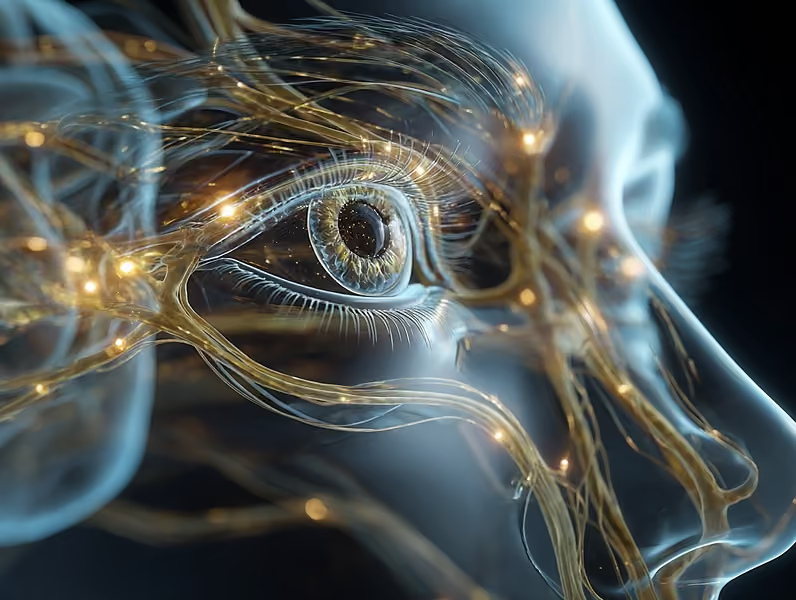
Eye-Brain Connectome in Practice
Harnessing ocular biomarkers, eye tracking, and emerging neurotechnology to advance diagnosis and personalized brain care
Discover how the eye serves as a diagnostic window into the brain and how emerging technologies are transforming clinical neuroscience care.
$
$
(
$
Course Description
The retina is neural tissue. The optic nerve is a direct extension of the brain. Yet in most clinical settings, the eye and brain are still assessed in isolation, leaving a wealth of diagnostic information untapped. As neurodegenerative diseases, traumatic brain injury, and complex pain conditions grow in clinical complexity, the gap between ocular findings and neurological interpretation is one that skilled clinicians are uniquely positioned to close.
This one-hour course with Dr. Delia DeBuc translates cutting-edge research on the eye-brain connectome into practical clinical insight. Clinicians gain a working understanding of how retinal and ocular biomarkers reflect brain health, how technologies like eye tracking, functional near-infrared spectroscopy, and extended reality are being applied in real patient cases, and how ocular motor findings connect to neuroplastic recovery. This is precision neuroscience, applied.
What you’ll learn:
- Apply the eye-brain connectome framework to guide clinical diagnostic reasoning
- Interpret retinal biomarkers as indicators of neurodegenerative and systemic disease
- Evaluate eye tracking data in concussion recovery and post-surgical assessment
- Recognize how fNIRS reveals cortical responses to ocular pain and visual load
- Integrate emerging neurotechnology concepts into rehabilitation planning
More About This Course
The relationship between the eye and the brain is one of the most clinically significant and underutilized frameworks in modern healthcare. The eye-brain connectome, the intricate neural network linking visual input to cortical processing, is emerging as a powerful lens through which clinicians can detect, monitor, and inform treatment of conditions ranging from neurodegeneration to traumatic brain injury. For clinicians working at the intersection of neurology, functional medicine, and rehabilitation, understanding this connectome is rapidly becoming a marker of clinical sophistication.
This course positions clinicians to integrate the science of eye-brain connectivity directly into their diagnostic and therapeutic reasoning. Drawing on Dr. Delia DeBuc's active research at the Bascom Palmer Eye Institute, this one-hour continuing education course translates peer-reviewed findings into clinically applicable frameworks. Topics span retinal biomarkers for neurodegenerative disease, eye tracking in concussion and surgical outcome assessment, functional near-infrared spectroscopy for measuring cortical response to ocular pain, and brain-computer interface technologies reshaping rehabilitation. Real patient cases ground each concept in the kind of complexity that advanced clinicians encounter daily.
This course is designed for licensed healthcare professionals in functional neurology, neurorehabilitation, chiropractic neurology, and integrative clinical practice who are ready to expand their diagnostic toolkit beyond conventional frameworks. It is particularly relevant for clinicians managing patients with concussion, neurodegenerative conditions, chronic ocular pain, binocular dysfunction, or post-stroke recovery.
Dr. Delia DeBuc is a biomedical engineer and vision scientist whose research program at the Bascom Palmer Eye Institute, University of Miami, investigates multimodal eye-brain biomarkers across a range of neurological and systemic conditions. Her work spans HIV-associated neurocognitive changes, glaucoma-related brain connectivity, and neuropathic ocular pain, representing some of the most clinically relevant frontier research in visual neuroscience today.
Components
Educational Syllabus
- The Eye-Brain Connectome as a Clinical Framework
- Understand why no two connectomes are alike and how individual neural pathway variability shapes symptom presentation, disease progression, and treatment response in conditions from amblyopia to Alzheimer's disease.
- Retinal and Ocular Biomarkers Across Neurological Conditions
- Explore how retinal vascular changes, nerve fiber thinning, and ocular motor findings reflect brain pathology in cases of white matter disease, glaucoma, HIV-associated neurodegeneration, and traumatic brain injury.
- Emerging Technologies Transforming Eye-Brain Care
- Survey the clinical applications of eye tracking, extended reality, functional near-infrared spectroscopy, and brain-computer interfaces through real research cases, including ocular pain mapping and concussion recovery assessment.
Venue, Hotels & Schedule
Also includes
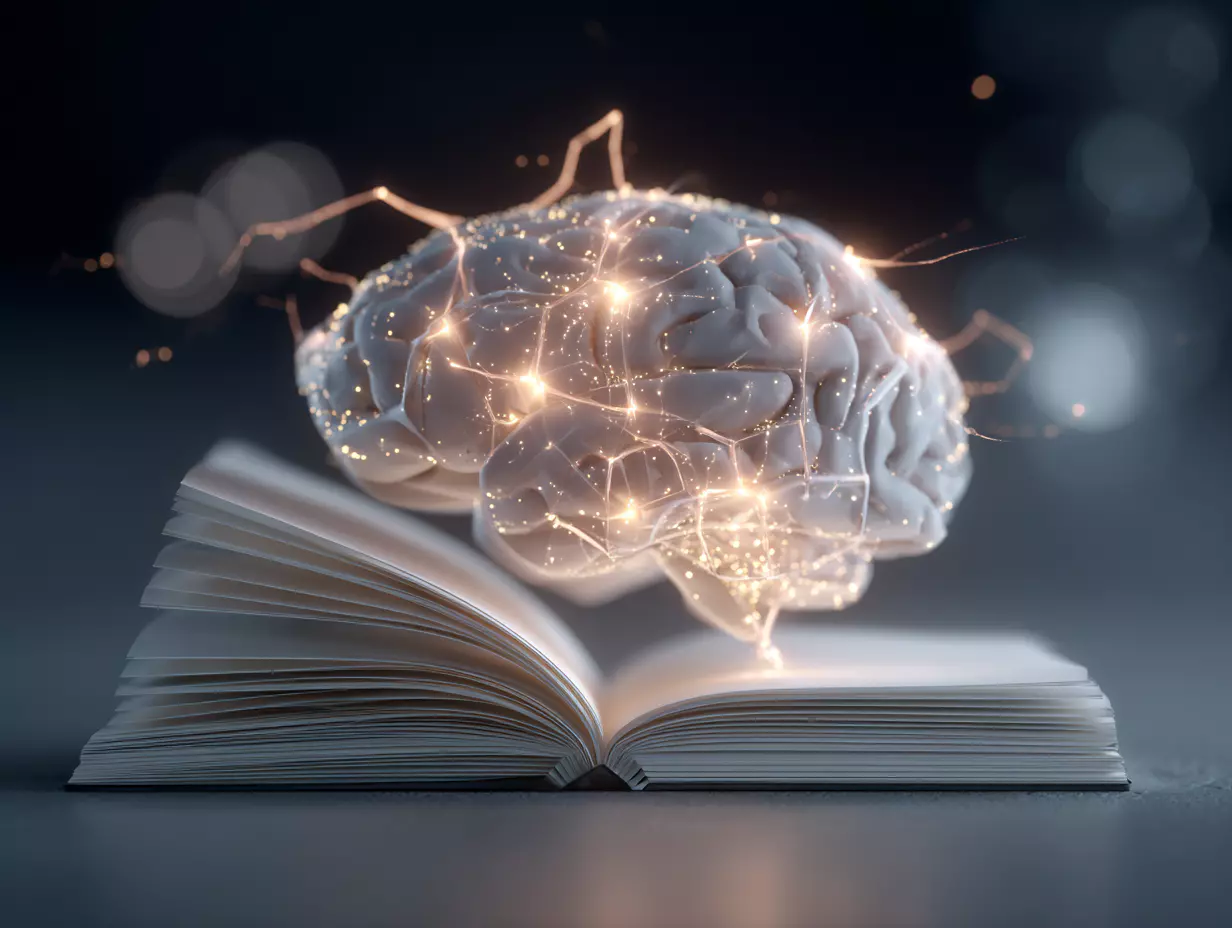
Eye-Brain Connectome in Practice
Discover how the eye serves as a diagnostic window into the brain and how emerging technologies are transforming clinical neuroscience care.
$
$
(
$
The Carrick Institute team is ready to assist with enrollment, CE approval, or program planning. Email visit our CE Portal or Contact Us directly.