.png)
Vestibular Anatomy and Physiology
Advanced vestibular anatomy, physiology, and clinical applications for enhanced patient outcomes
Comprehensive vestibular system training covering anatomy, physiology, pathology, testing protocols, and evidence-based rehabilitation strategies.
$
$
(
$
Course Description
Dizziness affects 15-35% of the general population, yet misdiagnosis remains common across medical settings. This comprehensive course provides clinicians with advanced understanding of vestibular anatomy, physiology, and pathophysiology essential for accurate diagnosis and effective treatment. You'll master sophisticated testing protocols, differential diagnosis strategies, and evidence-based rehabilitation techniques that significantly improve patient outcomes. The curriculum integrates multisensory processing, spatial orientation, and neuroplasticity principles with practical clinical applications. Through detailed exploration of vestibular nuclei, cerebellar connections, and cortical pathways, you'll develop expertise in managing complex vestibular disorders from BPPV to central vestibular dysfunction.
What you’ll learn:
- Master complex vestibular anatomy and multisensory integration pathways
- Perform comprehensive vestibular examination and diagnostic testing protocols
- Differentiate peripheral from central vestibular disorders using clinical signs
- Design evidence-based rehabilitation programs for diverse vestibular conditions
- Apply neuroplasticity principles to optimize vestibular compensation mechanisms
More About This Course
Vestibular disorders represent one of the most challenging areas in clinical practice, affecting millions globally with dizziness, vertigo, and balance dysfunction. The vestibular system's unique multisensory integration capabilities make it fundamental to spatial orientation, gaze stabilization, and postural control. This advanced course provides clinicians with comprehensive knowledge of vestibular anatomy, physiology, pathology, and rehabilitation strategies.
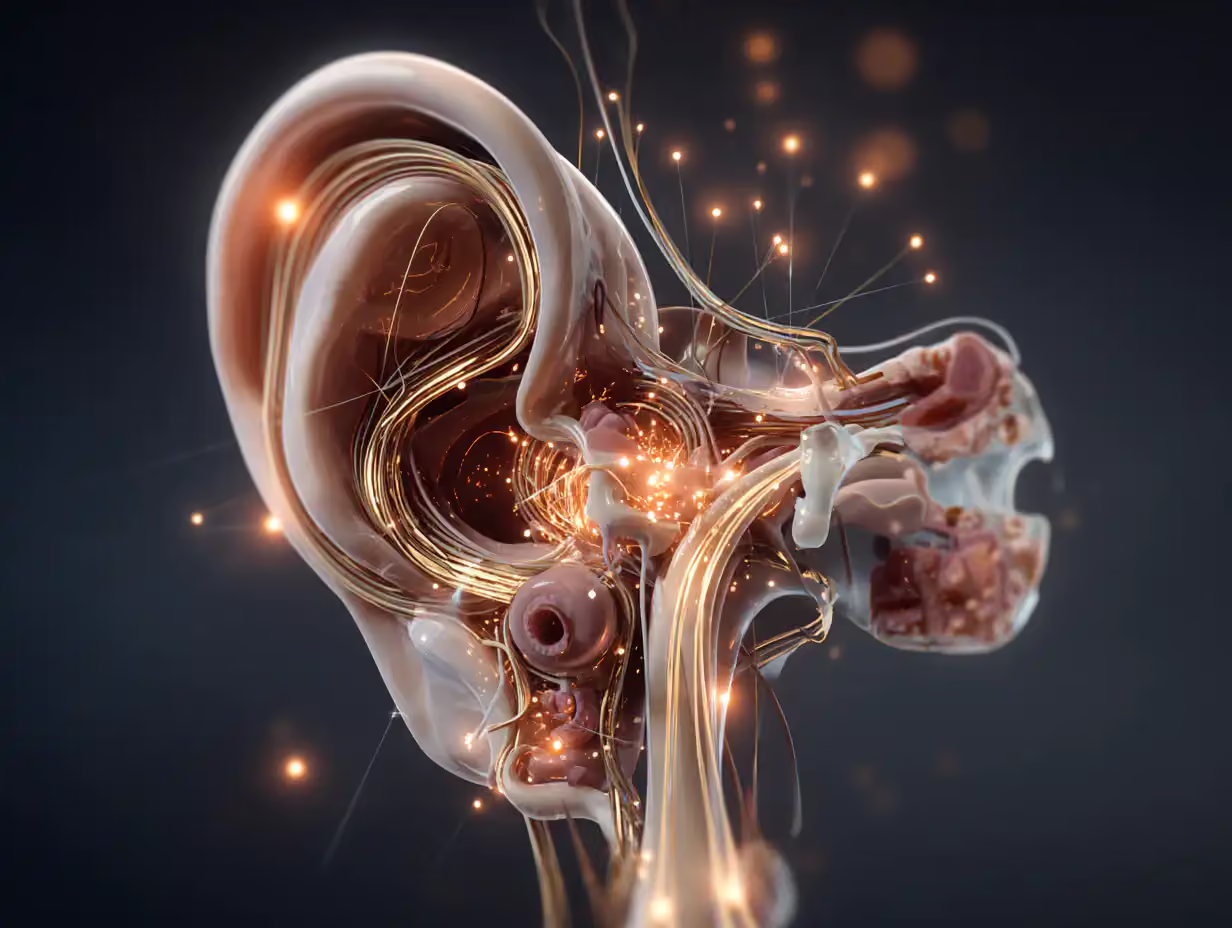
The vestibular system differs from other sensory systems through its remarkable convergence patterns, velocity storage mechanisms, and reference frame transformations. Understanding these complex neural networks is essential for accurate diagnosis and effective treatment planning. Students explore the intricate relationships between semicircular canals, otolith organs, vestibular nuclei, cerebellar pathways, and cortical projections.
This program is designed for licensed healthcare professionals seeking advanced competency in vestibular disorders, including chiropractors, physical therapists, occupational therapists, and other rehabilitation specialists. The curriculum emphasizes evidence-based clinical applications, differential diagnosis protocols, and innovative rehabilitation techniques that address both peripheral and central vestibular dysfunction.
Dr. David Traster, a distinguished functional neurologist and chiropractic neurologist, leads this comprehensive program. His expertise in vestibular rehabilitation and functional neurology provides students with cutting-edge insights into the clinical applications of vestibular science, ensuring graduates are prepared to deliver exceptional patient care in this specialized field.
Components
Educational Syllabus
- Vestibular Anatomy and Physiology
- Comprehensive exploration of vestibular end organs, neural pathways, and multisensory integration mechanisms. Covers semicircular canals, otolith organs, vestibular nuclei, and cortical projections.
- Vestibular Pathoanatomy and Pathophysiology
- Detailed analysis of peripheral and central vestibular disorders including BPPV, vestibular neuritis, Meniere's disease, and central vestibular syndromes with clinical correlation.
- Vestibular Bedside and Laboratory Testing
- Advanced diagnostic protocols including head impulse testing, dynamic visual acuity, vestibular evoked myogenic potentials, and comprehensive vestibular function assessment.
- The Physical Examination
- Systematic neurological examination techniques for vestibular patients, emphasizing differential diagnosis between vestibular and non-vestibular causes of dizziness and imbalance.
- Vestibular Rehabilitation Part 1
- Evidence-based rehabilitation strategies for unilateral and bilateral vestibular hypofunction, including adaptation, habituation, and substitution mechanisms for recovery.
- Vestibular Rehabilitation Part 2
- Advanced rehabilitation protocols for complex vestibular disorders, special populations, and integration of visual, proprioceptive, and vestibular training strategies.
Venue, Hotels & Schedule
Also includes
Vestibular Anatomy and Physiology
Comprehensive vestibular system training covering anatomy, physiology, pathology, testing protocols, and evidence-based rehabilitation strategies.
$
$
(
$
The Carrick Institute team is ready to assist with enrollment, CE approval, or program planning. Email visit our CE Portal or Contact Us directly.