.png)

Vision & Eye Movement Problems
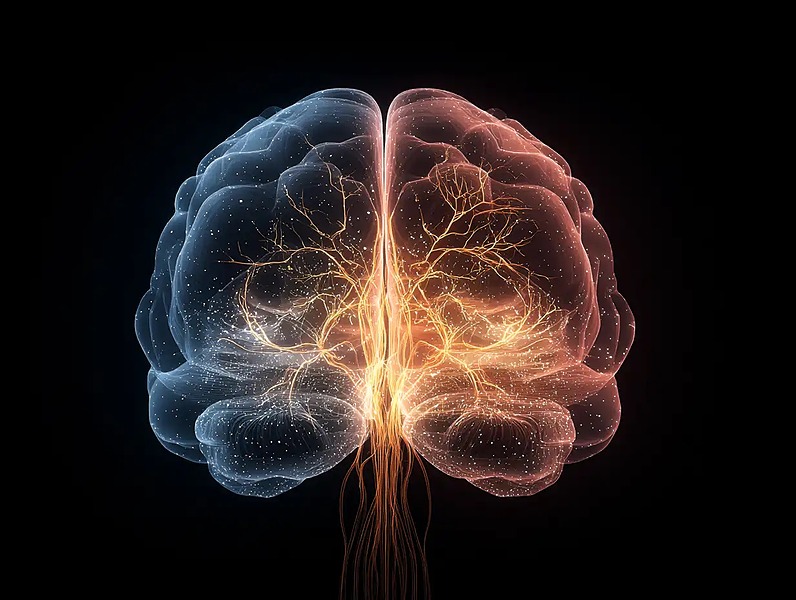
When vision feels "off" but an eye exam is normal, patients are often reassured that their eyes are healthy and sent on their way. But much of vision is controlled by the brain — eye movements, coordination, and processing — and a standard eye exam isn't designed to assess that. This leaves people with real, disruptive visual symptoms told that nothing is wrong, with nowhere obvious to turn next.
Also known as
neuro-optometry, oculomotor, binocular vision, convergence insufficiency, diplopia, photophobia, visual processing, saccadic dysfunction
ICD-10
H51 (Binocular movement disorders), H53 (Visual disturbances), H53.14 (Visual discomfort), H51.11 (Convergence insufficiency)
How focused education closes the gap
Clinicians trained in functional vision and oculomotor assessment look beyond eye health to brain control.- Assess eye-movement control, coordination, and visual processing- Identify functional neurology visual dysfunction a standard eye exam doesn't capture- Translate findings into targeted vision-and-oculomotor rehabilitation
%
Off
<svg xmlns="http://www.w3.org/2000/svg" fill="none" viewBox="0 0 120 120"><path stroke="currentColor" stroke-linecap="round" stroke-width="6" d="M115.6 89.143V30.857c0-6.411-5.231-11.657-11.625-11.657h-88.35C9.231 19.2 4 24.446 4 30.857v58.286C4 95.554 9.231 100.8 15.625 100.8h88.35c6.394 0 11.625-5.246 11.625-11.657ZM53.08 78.48c-3.09 2.066-7.23-.155-7.23-3.88V45.399c0-3.724 4.14-5.945 7.23-3.88L74.92 56.12c2.761 1.846 2.761 5.914 0 7.76L53.08 78.48Z"/></svg>

AI Eye Movement Neurorehabilitation
A 1-credit ISCN lecture exploring AI-enhanced eye movement technologies for neurorehabilitation in stroke patients and children with neurodevelopmental neglect and learning challenges.
$
/hr.
$
/hr.
$
/hr.
$
/hr.
$
/hr.
$
/hr.
|
hours
%
Off
<svg xmlns="http://www.w3.org/2000/svg" fill="none" viewBox="0 0 120 120"><path stroke="currentColor" stroke-linecap="round" stroke-width="6" d="M115.6 89.143V30.857c0-6.411-5.231-11.657-11.625-11.657h-88.35C9.231 19.2 4 24.446 4 30.857v58.286C4 95.554 9.231 100.8 15.625 100.8h88.35c6.394 0 11.625-5.246 11.625-11.657ZM53.08 78.48c-3.09 2.066-7.23-.155-7.23-3.88V45.399c0-3.724 4.14-5.945 7.23-3.88L74.92 56.12c2.761 1.846 2.761 5.914 0 7.76L53.08 78.48Z"/></svg>
Eye-Brain Connectome in Practice
Discover how the eye serves as a diagnostic window into the brain and how emerging technologies are transforming clinical neuroscience care.
$
/hr.
$
/hr.
$
/hr.
$
/hr.
$
/hr.
$
/hr.
|
hours
%
Off
<svg xmlns="http://www.w3.org/2000/svg" fill="none" viewBox="0 0 120 120"><path stroke="currentColor" stroke-linecap="round" stroke-width="6" d="M115.6 89.143V30.857c0-6.411-5.231-11.657-11.625-11.657h-88.35C9.231 19.2 4 24.446 4 30.857v58.286C4 95.554 9.231 100.8 15.625 100.8h88.35c6.394 0 11.625-5.246 11.625-11.657ZM53.08 78.48c-3.09 2.066-7.23-.155-7.23-3.88V45.399c0-3.724 4.14-5.945 7.23-3.88L74.92 56.12c2.761 1.846 2.761 5.914 0 7.76L53.08 78.48Z"/></svg>
Eye-Brain-Body: 3D Neurorehab & AI Mess Roadmap
Transform your neurological assessment capabilities through advanced oculomotor analysis, integrating 3D evaluation techniques with AI-enhanced diagnostics.
$
/hr.
$
/hr.
$
/hr.
$
/hr.
$
/hr.
$
/hr.
|
hours
%
Off
<svg xmlns="http://www.w3.org/2000/svg" fill="none" viewBox="0 0 101 100"><path stroke="currentColor" stroke-linecap="round" stroke-linejoin="round" stroke-width="6" d="M21.166 56.25H79.5m-29.167 0V100M27.417 45.833v-18.75h-4.884a12.5 12.5 0 0 0-12.108 9.396L2.417 67.71v1.04h29.166V75c0 6.25 0 10.418 3.125 16.668 0 0 3.125 6.25 7.292 6.25m31.25-52.084v-18.75h4.883a12.5 12.5 0 0 1 12.109 9.396l8.008 31.23v1.04H69.083V75c0 6.25 0 10.418-3.125 16.668 0 0-3.125 6.25-7.291 6.25M26.79 18.75s-6.666-4.167-6.666-9.375a7.283 7.283 0 0 1 14.566 0c0 5.208-6.65 9.375-6.65 9.375h-1.25Zm47.084 0s6.666-4.167 6.666-9.375a7.291 7.291 0 0 0-7.291-7.292c-4.025 0-7.275 3.267-7.275 7.292 0 5.208 6.65 9.375 6.65 9.375h1.25Z"/></svg>
<svg xmlns="http://www.w3.org/2000/svg" fill="none" viewBox="0 0 120 120"><path stroke="currentColor" stroke-linecap="round" stroke-width="6" d="M98.353 18.047a56.422 56.422 0 0 1 7.442 9.023 60.989 60.989 0 0 1 5.449 10.196 56.716 56.716 0 0 1 3.34 11.074A64.591 64.591 0 0 1 115.756 60c0 3.945-.372 7.832-1.114 11.66a54.25 54.25 0 0 1-3.398 11.074 67.288 67.288 0 0 1-5.449 10.196 52.537 52.537 0 0 1-7.442 9.023m-76.706 0a56.398 56.398 0 0 1-7.441-9.023 60.906 60.906 0 0 1-5.45-10.196 56.634 56.634 0 0 1-3.34-11.074A64.49 64.49 0 0 1 4.245 60c0-3.945.37-7.832 1.113-11.66a54.235 54.235 0 0 1 3.398-11.074 67.205 67.205 0 0 1 5.45-10.196 52.516 52.516 0 0 1 7.441-9.023m60.827 15.879c3.477 3.515 6.133 7.5 7.97 11.953 1.835 4.453 2.772 9.16 2.812 14.121 0 4.922-.918 9.61-2.754 14.063-1.836 4.453-4.512 8.456-8.028 12.011m-44.948 0c-3.477-3.515-6.133-7.5-7.969-11.953-1.836-4.453-2.773-9.16-2.812-14.121 0-4.922.918-9.61 2.753-14.063 1.836-4.453 4.512-8.456 8.028-12.011M60 45.644c1.992 0 3.848.372 5.567 1.114a14.584 14.584 0 0 1 4.57 3.105 13.956 13.956 0 0 1 3.047 4.512c.703 1.68 1.093 3.555 1.172 5.625 0 1.992-.371 3.848-1.114 5.566a14.584 14.584 0 0 1-3.105 4.57 13.956 13.956 0 0 1-4.512 3.048c-1.68.703-3.555 1.093-5.625 1.172-1.992 0-3.848-.372-5.566-1.114a14.584 14.584 0 0 1-4.57-3.105 13.956 13.956 0 0 1-3.047-4.512c-.704-1.68-1.094-3.555-1.172-5.625 0-1.992.37-3.848 1.113-5.566a14.584 14.584 0 0 1 3.105-4.57 13.956 13.956 0 0 1 4.512-3.048c1.68-.703 3.555-1.093 5.625-1.172Z"/></svg>
Functional Neurology Excellence Bundle
A complete framework for understanding how the brain develops, adapts, and changes-equipping providers to find and fix neurological "software" problems invisible on imaging, yet life-changing when corrected.
$
/hr.
$
/hr.
$
/hr.
$
/hr.
$
/hr.
$
/hr.
|
hours
%
Off
<svg xmlns="http://www.w3.org/2000/svg" fill="none" viewBox="0 0 120 120"><path stroke="currentColor" stroke-linecap="round" stroke-width="6" d="M115.6 89.143V30.857c0-6.411-5.231-11.657-11.625-11.657h-88.35C9.231 19.2 4 24.446 4 30.857v58.286C4 95.554 9.231 100.8 15.625 100.8h88.35c6.394 0 11.625-5.246 11.625-11.657ZM53.08 78.48c-3.09 2.066-7.23-.155-7.23-3.88V45.399c0-3.724 4.14-5.945 7.23-3.88L74.92 56.12c2.761 1.846 2.761 5.914 0 7.76L53.08 78.48Z"/></svg>

Neuroimmunology & Eye Movement Dysfunction
A 1-credit ISCN lecture exploring how immune-mediated neurological disorders affect eye movement systems and how oculomotor findings reveal deeper mechanisms of neurological dysfunction.
$
/hr.
$
/hr.
$
/hr.
$
/hr.
$
/hr.
$
/hr.
|
hours
%
Off
<svg xmlns="http://www.w3.org/2000/svg" fill="none" viewBox="0 0 120 120"><path stroke="currentColor" stroke-linecap="round" stroke-width="6" d="M115.6 89.143V30.857c0-6.411-5.231-11.657-11.625-11.657h-88.35C9.231 19.2 4 24.446 4 30.857v58.286C4 95.554 9.231 100.8 15.625 100.8h88.35c6.394 0 11.625-5.246 11.625-11.657ZM53.08 78.48c-3.09 2.066-7.23-.155-7.23-3.88V45.399c0-3.724 4.14-5.945 7.23-3.88L74.92 56.12c2.761 1.846 2.761 5.914 0 7.76L53.08 78.48Z"/></svg>

Oculomotor Rehab After Concussion
Advance your concussion care with the latest research on oculomotor rehab, visual recovery metrics, and VR-based rehabilitation protocols
$
/hr.
$
/hr.
$
/hr.
$
/hr.
$
/hr.
$
/hr.
|
hours
%
Off
<svg xmlns="http://www.w3.org/2000/svg" fill="none" viewBox="0 0 120 120"><path stroke="currentColor" stroke-linecap="round" stroke-width="6" d="M115.6 89.143V30.857c0-6.411-5.231-11.657-11.625-11.657h-88.35C9.231 19.2 4 24.446 4 30.857v58.286C4 95.554 9.231 100.8 15.625 100.8h88.35c6.394 0 11.625-5.246 11.625-11.657ZM53.08 78.48c-3.09 2.066-7.23-.155-7.23-3.88V45.399c0-3.724 4.14-5.945 7.23-3.88L74.92 56.12c2.761 1.846 2.761 5.914 0 7.76L53.08 78.48Z"/></svg>

OVRT Assessment in Neurology
A 1-credit ISCN lecture exploring how OVRT testing objectively evaluates vestibular and neurological function through eye movement tracking, reaction time analysis, and evidence-based clinical applications.
$
/hr.
$
/hr.
$
/hr.
$
/hr.
$
/hr.
$
/hr.
|
hours
%
Off
<svg xmlns="http://www.w3.org/2000/svg" fill="none" viewBox="0 0 120 120"><path stroke="currentColor" stroke-linecap="round" stroke-width="6" d="M115.6 89.143V30.857c0-6.411-5.231-11.657-11.625-11.657h-88.35C9.231 19.2 4 24.446 4 30.857v58.286C4 95.554 9.231 100.8 15.625 100.8h88.35c6.394 0 11.625-5.246 11.625-11.657ZM53.08 78.48c-3.09 2.066-7.23-.155-7.23-3.88V45.399c0-3.724 4.14-5.945 7.23-3.88L74.92 56.12c2.761 1.846 2.761 5.914 0 7.76L53.08 78.48Z"/></svg>
Sensory Integrative Therapies, Orthoptic Exercises, and Layering Cognitive Function Therapies
Learn to integrate sensory, orthoptic, and cognitive rehab strategies for concussion care. Improve outcomes in oculomotor control, attention, memory, and sensory processing.
$
/hr.
$
/hr.
$
/hr.
$
/hr.
$
/hr.
$
/hr.
|
hours
%
Off
<svg xmlns="http://www.w3.org/2000/svg" fill="none" viewBox="0 0 120 120"><path stroke="currentColor" stroke-linecap="round" stroke-width="6" d="M98.353 18.047a56.422 56.422 0 0 1 7.442 9.023 60.989 60.989 0 0 1 5.449 10.196 56.716 56.716 0 0 1 3.34 11.074A64.591 64.591 0 0 1 115.756 60c0 3.945-.372 7.832-1.114 11.66a54.25 54.25 0 0 1-3.398 11.074 67.288 67.288 0 0 1-5.449 10.196 52.537 52.537 0 0 1-7.442 9.023m-76.706 0a56.398 56.398 0 0 1-7.441-9.023 60.906 60.906 0 0 1-5.45-10.196 56.634 56.634 0 0 1-3.34-11.074A64.49 64.49 0 0 1 4.245 60c0-3.945.37-7.832 1.113-11.66a54.235 54.235 0 0 1 3.398-11.074 67.205 67.205 0 0 1 5.45-10.196 52.516 52.516 0 0 1 7.441-9.023m60.827 15.879c3.477 3.515 6.133 7.5 7.97 11.953 1.835 4.453 2.772 9.16 2.812 14.121 0 4.922-.918 9.61-2.754 14.063-1.836 4.453-4.512 8.456-8.028 12.011m-44.948 0c-3.477-3.515-6.133-7.5-7.969-11.953-1.836-4.453-2.773-9.16-2.812-14.121 0-4.922.918-9.61 2.753-14.063 1.836-4.453 4.512-8.456 8.028-12.011M60 45.644c1.992 0 3.848.372 5.567 1.114a14.584 14.584 0 0 1 4.57 3.105 13.956 13.956 0 0 1 3.047 4.512c.703 1.68 1.093 3.555 1.172 5.625 0 1.992-.371 3.848-1.114 5.566a14.584 14.584 0 0 1-3.105 4.57 13.956 13.956 0 0 1-4.512 3.048c-1.68.703-3.555 1.093-5.625 1.172-1.992 0-3.848-.372-5.566-1.114a14.584 14.584 0 0 1-4.57-3.105 13.956 13.956 0 0 1-3.047-4.512c-.704-1.68-1.094-3.555-1.172-5.625 0-1.992.37-3.848 1.113-5.566a14.584 14.584 0 0 1 3.105-4.57 13.956 13.956 0 0 1 4.512-3.048c1.68-.703 3.555-1.093 5.625-1.172Z"/></svg>
The CNS Curriculum™
From neurodevelopment to complex neurological presentations, this comprehensive program has been approved by CAGEN to qualify for the ACNB Diplomate in Chiropractic Neurology and the ACFN Fellowship in Functional Neurology examinations. It builds a deep, system-by-system understanding of the nervous system-giving you the tools to observe, examine, interpret, and address functional brain and nerve disorders with greater precision.
$
/hr.
$
/hr.
$
/hr.
$
/hr.
$
/hr.
$
/hr.
|
hours
%
Off
<svg xmlns="http://www.w3.org/2000/svg" fill="none" viewBox="0 0 101 100"><path stroke="currentColor" stroke-linecap="round" stroke-linejoin="round" stroke-width="6" d="M21.166 56.25H79.5m-29.167 0V100M27.417 45.833v-18.75h-4.884a12.5 12.5 0 0 0-12.108 9.396L2.417 67.71v1.04h29.166V75c0 6.25 0 10.418 3.125 16.668 0 0 3.125 6.25 7.292 6.25m31.25-52.084v-18.75h4.883a12.5 12.5 0 0 1 12.109 9.396l8.008 31.23v1.04H69.083V75c0 6.25 0 10.418-3.125 16.668 0 0-3.125 6.25-7.291 6.25M26.79 18.75s-6.666-4.167-6.666-9.375a7.283 7.283 0 0 1 14.566 0c0 5.208-6.65 9.375-6.65 9.375h-1.25Zm47.084 0s6.666-4.167 6.666-9.375a7.291 7.291 0 0 0-7.291-7.292c-4.025 0-7.275 3.267-7.275 7.292 0 5.208 6.65 9.375 6.65 9.375h1.25Z"/></svg>
<svg xmlns="http://www.w3.org/2000/svg" fill="none" viewBox="0 0 120 120"><path stroke="currentColor" stroke-linecap="round" stroke-width="6" d="M98.353 18.047a56.422 56.422 0 0 1 7.442 9.023 60.989 60.989 0 0 1 5.449 10.196 56.716 56.716 0 0 1 3.34 11.074A64.591 64.591 0 0 1 115.756 60c0 3.945-.372 7.832-1.114 11.66a54.25 54.25 0 0 1-3.398 11.074 67.288 67.288 0 0 1-5.449 10.196 52.537 52.537 0 0 1-7.442 9.023m-76.706 0a56.398 56.398 0 0 1-7.441-9.023 60.906 60.906 0 0 1-5.45-10.196 56.634 56.634 0 0 1-3.34-11.074A64.49 64.49 0 0 1 4.245 60c0-3.945.37-7.832 1.113-11.66a54.235 54.235 0 0 1 3.398-11.074 67.205 67.205 0 0 1 5.45-10.196 52.516 52.516 0 0 1 7.441-9.023m60.827 15.879c3.477 3.515 6.133 7.5 7.97 11.953 1.835 4.453 2.772 9.16 2.812 14.121 0 4.922-.918 9.61-2.754 14.063-1.836 4.453-4.512 8.456-8.028 12.011m-44.948 0c-3.477-3.515-6.133-7.5-7.969-11.953-1.836-4.453-2.773-9.16-2.812-14.121 0-4.922.918-9.61 2.753-14.063 1.836-4.453 4.512-8.456 8.028-12.011M60 45.644c1.992 0 3.848.372 5.567 1.114a14.584 14.584 0 0 1 4.57 3.105 13.956 13.956 0 0 1 3.047 4.512c.703 1.68 1.093 3.555 1.172 5.625 0 1.992-.371 3.848-1.114 5.566a14.584 14.584 0 0 1-3.105 4.57 13.956 13.956 0 0 1-4.512 3.048c-1.68.703-3.555 1.093-5.625 1.172-1.992 0-3.848-.372-5.566-1.114a14.584 14.584 0 0 1-4.57-3.105 13.956 13.956 0 0 1-3.047-4.512c-.704-1.68-1.094-3.555-1.172-5.625 0-1.992.37-3.848 1.113-5.566a14.584 14.584 0 0 1 3.105-4.57 13.956 13.956 0 0 1 4.512-3.048c1.68-.703 3.555-1.093 5.625-1.172Z"/></svg>
Cranial Nerves & The Ocular Motor System
Advance your clinical precision with expert cranial nerve and ocular motor training built for board-ready, practice-ready clinicians.
$
/hr.
$
/hr.
$
/hr.
$
/hr.
$
/hr.
$
/hr.
|
hours
%
Off
<svg xmlns="http://www.w3.org/2000/svg" fill="none" viewBox="0 0 120 120"><path stroke="currentColor" stroke-linecap="round" stroke-width="6" d="M115.6 89.143V30.857c0-6.411-5.231-11.657-11.625-11.657h-88.35C9.231 19.2 4 24.446 4 30.857v58.286C4 95.554 9.231 100.8 15.625 100.8h88.35c6.394 0 11.625-5.246 11.625-11.657ZM53.08 78.48c-3.09 2.066-7.23-.155-7.23-3.88V45.399c0-3.724 4.14-5.945 7.23-3.88L74.92 56.12c2.761 1.846 2.761 5.914 0 7.76L53.08 78.48Z"/></svg>
Eye-Hand Coordination & Speed Training
Master speed of processing training for athletes and post-TBI patients using three evidence-informed, clinically adaptable modalities.
$
/hr.
$
/hr.
$
/hr.
$
/hr.
$
/hr.
$
/hr.
|
hours
%
Off
<svg xmlns="http://www.w3.org/2000/svg" fill="none" viewBox="0 0 120 120"><path stroke="currentColor" stroke-linecap="round" stroke-width="6" d="M115.6 89.143V30.857c0-6.411-5.231-11.657-11.625-11.657h-88.35C9.231 19.2 4 24.446 4 30.857v58.286C4 95.554 9.231 100.8 15.625 100.8h88.35c6.394 0 11.625-5.246 11.625-11.657ZM53.08 78.48c-3.09 2.066-7.23-.155-7.23-3.88V45.399c0-3.724 4.14-5.945 7.23-3.88L74.92 56.12c2.761 1.846 2.761 5.914 0 7.76L53.08 78.48Z"/></svg>
VR in Concussion Rehabilitation
Master the clinical application of VR in concussion care through evidence-based evaluation, patient selection criteria, and practical implementation.
$
/hr.
$
/hr.
$
/hr.
$
/hr.
$
/hr.
$
/hr.
|
hours
%
Off
<svg xmlns="http://www.w3.org/2000/svg" fill="none" viewBox="0 0 120 120"><path stroke="currentColor" stroke-linecap="round" stroke-width="6" d="M115.6 89.143V30.857c0-6.411-5.231-11.657-11.625-11.657h-88.35C9.231 19.2 4 24.446 4 30.857v58.286C4 95.554 9.231 100.8 15.625 100.8h88.35c6.394 0 11.625-5.246 11.625-11.657ZM53.08 78.48c-3.09 2.066-7.23-.155-7.23-3.88V45.399c0-3.724 4.14-5.945 7.23-3.88L74.92 56.12c2.761 1.846 2.761 5.914 0 7.76L53.08 78.48Z"/></svg>
Clinical Gems 2
An advanced 15-hour online course delivering high-level clinical insights into gait, cerebellar function, eye movements, and autonomic assessment for precise neurological localization.
$
/hr.
$
/hr.
$
/hr.
$
/hr.
$
/hr.
$
/hr.
|
hours
%
Off
<svg xmlns="http://www.w3.org/2000/svg" fill="none" viewBox="0 0 120 120"><path stroke="currentColor" stroke-linecap="round" stroke-width="6" d="M115.6 89.143V30.857c0-6.411-5.231-11.657-11.625-11.657h-88.35C9.231 19.2 4 24.446 4 30.857v58.286C4 95.554 9.231 100.8 15.625 100.8h88.35c6.394 0 11.625-5.246 11.625-11.657ZM53.08 78.48c-3.09 2.066-7.23-.155-7.23-3.88V45.399c0-3.724 4.14-5.945 7.23-3.88L74.92 56.12c2.761 1.846 2.761 5.914 0 7.76L53.08 78.48Z"/></svg>
Vestibular Rehab Post-mTBI Research
Comprehensive scoping review of vestibular and oculomotor rehabilitation interventions for mTBI patients with evidence-based outcomes and assessment tools.
$
/hr.
$
/hr.
$
/hr.
$
/hr.
$
/hr.
$
/hr.
|
hours
Vision and eye-movement problems extend well beyond visual acuity. A large share of the brain is involved in vision — not just seeing clearly, but moving the eyes accurately, coordinating them, tracking, and processing what's seen. Dysfunction in these brain-based systems can produce real, disruptive symptoms even when the eyes themselves are perfectly healthy. This is precisely why a standard eye exam can come back normal while a person still struggles to read, tolerate screens, or move comfortably through busy environments. A functional neurology assessment evaluates eye-movement control and visual processing — the systems a routine exam isn't designed to test — and is often where the explanation, and the path to rehabilitation, is finally found. Because these are trainable neurological functions, identifying the specific dysfunction opens the door to targeted therapy. For someone repeatedly told their eyes are fine while their symptoms persist, having the brain's role in vision actually assessed can be the moment the problem starts to make sense.
Functional neurology vision and eye-movement problems present in ways a standard exam may miss:- Difficulty tracking or shifting focus between objects- Eye strain, fatigue, or headaches with visual tasks- Trouble with reading despite clear eyesight- Double vision or images that don't merge comfortably- Dizziness or discomfort in busy visual environments- Symptoms that worsen with screens, motion, or fatigue
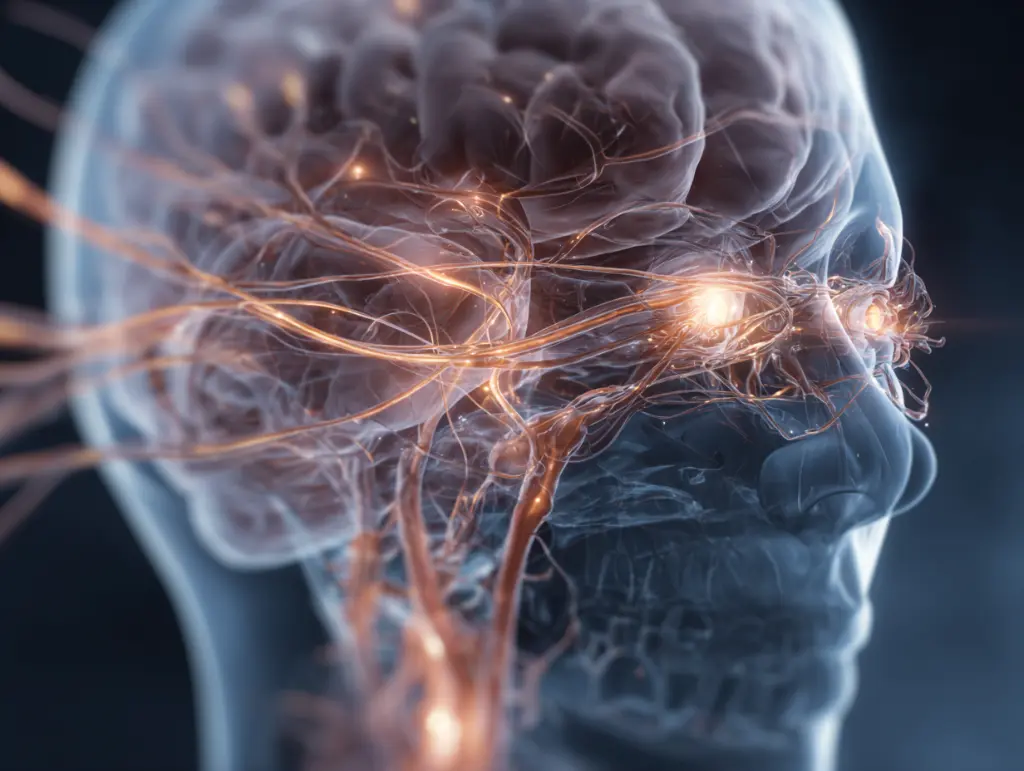
Vision is largely a brain function: extensive neural networks control eye movements, coordinate the two eyes, stabilize gaze, and process the visual information that arrives. When these networks are disrupted — by injury, developmental factors, or neurological conditions — visual symptoms arise even though the eyes themselves are structurally healthy. A standard eye exam evaluates eye health and acuity, not these brain-based control and processing systems, which is precisely why it so often reads as completely normal. Assessing oculomotor function and visual processing directly, as functional neurology does, is what uncovers the dysfunction behind otherwise unexplained visual symptoms — and, because these are trainable functions, points toward targeted rehabilitation.
What to expect
Do you work with companies outside North America?
Yes. We run programs internationally and have active partnerships across the US, Europe, and Asia-Pacific. Our Haarlem, Cape Canaveral, Minnetonka, and Adelaide venues reflect the global reach of our community.
Can we sponsor an existing course instead of creating a new one?
Yes — this is a common "Advertise With CI" arrangement. Sponsoring a module, livestream, or course gives you aligned visibility without the lead time of building new content. Get in touch to discuss available opportunities.
How is pricing structured?
Partnerships are priced based on scope, reach, and scale. We share specifics during a discovery call once we understand what you're looking to accomplish.
Who owns the content we co-create?
IP arrangements vary by partnership. For most "Create With CI" engagements, CI retains ownership of the curriculum format and delivery infrastructure while partners retain rights over their branded content and any proprietary clinical content they bring. We detail this in every agreement.
Do you offer exclusivity?
Within certain partnership tiers and campaign windows, yes. Exclusivity is always negotiated per engagement and reflects the scale of commitment.
How long is a typical engagement?
t depends on the partnership type. Advertising and sponsorships can start within weeks. Custom content co-creation ("Create With CI") typically takes 3–6 months from agreement to release. On-site program delivery ("Bring CI To You") varies by scale — a single-day presentation can be arranged in a month or two; a multi-module program may take a full year to plan and execute.
Not sure where to start?
Take our short guided quiz to find the right entry point based on your experience, license, and goals.