.png)

Functional Neurology: Rethinking How We Approach the Nervous System

Imagine walking into a patient's room and seeing their symptoms not as a collection of isolated problems, but as a symphony playing slightly out of tune. What if you could identify which instruments need adjustment and restore the harmony? This is the promise of functional neurology — a revolutionary approach that's transforming how we understand and treat neurological dysfunction.
Beyond the Static Brain: A Dynamic Systems Approach
For too long, conventional medicine has viewed neurological problems through a binary lens: either there's structural damage we can see on imaging, or the patient is "fine." But what about the millions of patients who fall between these extremes — those with persistent symptoms but normal MRIs?
Enter functional neurology, a specialty that views the nervous system not as a fixed circuit board, but as a dynamic, adaptable network constantly responding to its environment. As defined by the American College of Functional Neurology, it's "a health care specialty focused on the assessment, quantification, and rehabilitation of the human nervous system, utilizing sensory and cognitive-based therapies to promote neurological plasticity, integrity, and functional optimization."
The Smart Home Analogy: Understanding Complex Systems
To grasp this paradigm shift, consider your brain as a smart home system. In a well-functioning home, sensors communicate with control panels, thermostats adjust automatically, and security systems respond appropriately to triggers. But what happens when a motion sensor starts misfiring? The lights might flash erratically, the heating system might activate at the wrong times, and the whole system enters a dysfunctional loop.
Traditional approaches might focus on replacing the "broken" sensor. Functional neurology asks a different question: How can we recalibrate the entire system to restore proper communication and function?
This is precisely what happens in the nervous system. When one component — whether it's sensory input from the neck, vestibular signals from the inner ear, or processing centers in the brain — begins sending aberrant signals, it can trap the entire network in a maladaptive pattern. The revolutionary insight? These patterns can often be reset through targeted interventions, even without addressing structural damage.
From Observation to Innovation: The Evolution of a Specialty
The foundations of functional neurology emerged from a simple but powerful observation by Prof. Frederick R. Carrick in the late 1970s: manual therapies seemed to influence brain function in predictable ways. This curiosity sparked a movement that has since attracted professionals from diverse fields — physical therapy, occupational therapy, optometry, medicine, and beyond.
What unites these practitioners isn't their background but their perspective. As biochemist Jeffrey Bland eloquently stated, "disease is an endpoint, while function is a process." This shift from managing disease entities to optimizing functional processes has opened new therapeutic possibilities for conditions once considered untreatable.
The Network Model: A New Framework for Understanding
At the heart of functional neurology lies the understanding that our nervous system operates through interconnected networks, each influencing the others. Think of it as a hierarchy of control systems:
- The Sensory Interface: Our body's sensors constantly feed information about position, movement, and environment to the brain.
- The Reflex Hub: Brainstem circuits that provide automatic responses — like adjusting muscle tone or regulating heart rate — based on incoming signals.
- The Integration Centers: Areas like the cerebellum that coordinate and fine-tune these responses, ensuring smooth, appropriate reactions.
- The Modulation Systems: Networks that determine which responses get amplified or suppressed based on context.
- The Executive Control: Higher brain centers that provide conscious oversight and goal-directed behavior.
When any level of this hierarchy becomes dysregulated, it can create a cascade of dysfunction throughout the system. But here's the exciting part: by understanding these relationships, we can intervene at multiple points to restore balance.
Breaking Free from Entrapment: The Therapeutic Promise
What makes functional neurology particularly compelling is its therapeutic versatility. Rather than relying on a one-size-fits-all protocol, practitioners use a diverse toolkit tailored to each patient's unique presentation:
- Vestibular and oculomotor exercises to recalibrate spatial processing
- Targeted sensory stimulation to normalize aberrant reflexes
- Cognitive-motor integration tasks that challenge and strengthen neural networks
- Novel technologies like photobiomodulation and neurofeedback to support cellular function
- Manual therapies that influence neural communication through peripheral inputs
The key isn't the specific technique but the precision with which it's applied. By identifying which networks are entrapped and which pathways remain intact, practitioners can design interventions that leverage the nervous system's inherent plasticity.
A Convergent Future: Where Medicine is Heading
As one young patient insightfully observed, "Traditional medicine saves people's lives, while functional medicine gives people their lives back." This isn't about replacing conventional care — it's about expanding our therapeutic horizons.
The rise of functional neurology coincides with several major healthcare trends:
- Growing recognition of brain-body-environment interactions
- Increased burden of chronic, non-structural neurological conditions
- Demand for personalized, systems-based approaches
- Technological advances enabling precise assessment and treatment
For healthcare providers, functional neurology offers both a new lens for understanding complex cases and practical tools for intervention. It transforms the frustrating "there's nothing wrong with you" conversation into "let's figure out how to optimize your nervous system's function."
Your Next Steps
Whether you're a chiropractor, physical therapist, medical doctor, or any healthcare provider working with complex patients, functional neurology principles can enhance your practice. The journey begins not with learning new techniques but with adopting a new perspective — seeing the nervous system as a dynamic, responsive network capable of remarkable adaptation.
The patients who need this approach are already in your office. They're the ones with persistent symptoms despite normal tests, the ones who respond partially to treatment but plateau, the ones whose symptoms seem to shift and change without clear pattern. Functional neurology gives us a framework to help these patients not by treating their symptoms in isolation, but by restoring their nervous system's ability to adapt and thrive.
In a healthcare landscape increasingly focused on functional optimization rather than mere disease management, functional neurology represents the future — a future where we don't just save lives, but truly give people their lives back.
These courses provider a Deeper Dive into this topic.
More Insights
.avif)
BTSP: The Discovery of Instantaneous Neuroplasticity
For a century, neuroscience taught that plasticity meant slow yielding under repeated pressure. A new discovery says otherwise. Behavioral timescale synaptic plasticity — BTSP — shows that the brain can rewire itself in a single moment when two specific signals converge in the right network. Here's the science, and why it offers a long-overdue explanation for what skilled functional neurology providers have been observing in the clinic for decades.
The NERD Model: Why Some Concussion Patients Get Stuck
Why don't some concussion patients get better? They’re literally stuck. The NERD model reveals how maladaptive neural loops trap recovery and how clinicians can break the cycle.

The New "Flexible Access" Policy: Access that Meets Your Needs and Budget
Carrick Institute's Flex Access policy delivers faster course completion, lower costs, and flexible learning that actually works. By replacing Unlimited Access with structured timeframes based on course length, scholars gain the motivation and accountability needed to finish courses while maintaining the freedom to extend or revisit content.
When a Concussion Unleashes Something Deeper
When a concussion doesn’t heal as expected, it may reveal something far deeper. This post explores how traumatic brain injury can unmask hidden tick-borne infections—like Lyme and its co‑infections—through shared pathways of neuroinflammation and immune dysfunction. For clinicians, it’s a call to look beyond “post-concussion syndrome” and recognize emerging research that links persistent symptoms, immune dysregulation, and overlooked infection.

Molecular Hydrogen: A Foundational Therapy for Neurology, Regeneration, and Integrative Clinical Practice
Molecular hydrogen (H₂) is emerging as a foundational therapy for integrative clinics. This small molecule crosses the blood-brain barrier, selectively neutralizes harmful free radicals, and supports mitochondrial function. Safe, inexpensive, and easy to implement, H₂ enhances outcomes for neurorehabilitation, chronic inflammation, and regenerative protocols. Learn how to integrate it into your practice.
You're Being Rewired by the World’s Most Popular Recreational Drug—and It’s Not What You Think
Think you know caffeine? Wait until you uncover what it's really doing to your striatum, your thalamus, your sleep pressure system, and even your cholinergic memory circuits. The truth is more complex—and more important—than you've ever been told.

What Healthcare Can Learn From Boy Scouts: An Opinion Piece
We believe that education should be democratized—not locked behind professional guilds or lifetime specialties. That's why we allow any licensed health care provider to take our programs.We may not be able to certify every provider to perform every procedure—regulatory and scope-of-practice rules exist for good reason—but we can provide the knowledge, skills, and frameworks to broaden their thinking and improve their care. When a physical therapist understands neurochemistry, or a medical doctor understands vestibular rehabilitation, patients win.
Diplomate vs. Fellowship in Functional Neurology: The Difference and Why It Matters
Diplomate or Fellow? One proves you’re qualified. The other proves you’re exceptional. In functional neurology and beyond, these two credentials are often confused—but understanding the difference can define your credibility, impact your scope, and elevate your career. This post breaks it down simply, clearly, and with legal clarity every healthcare professional should know.
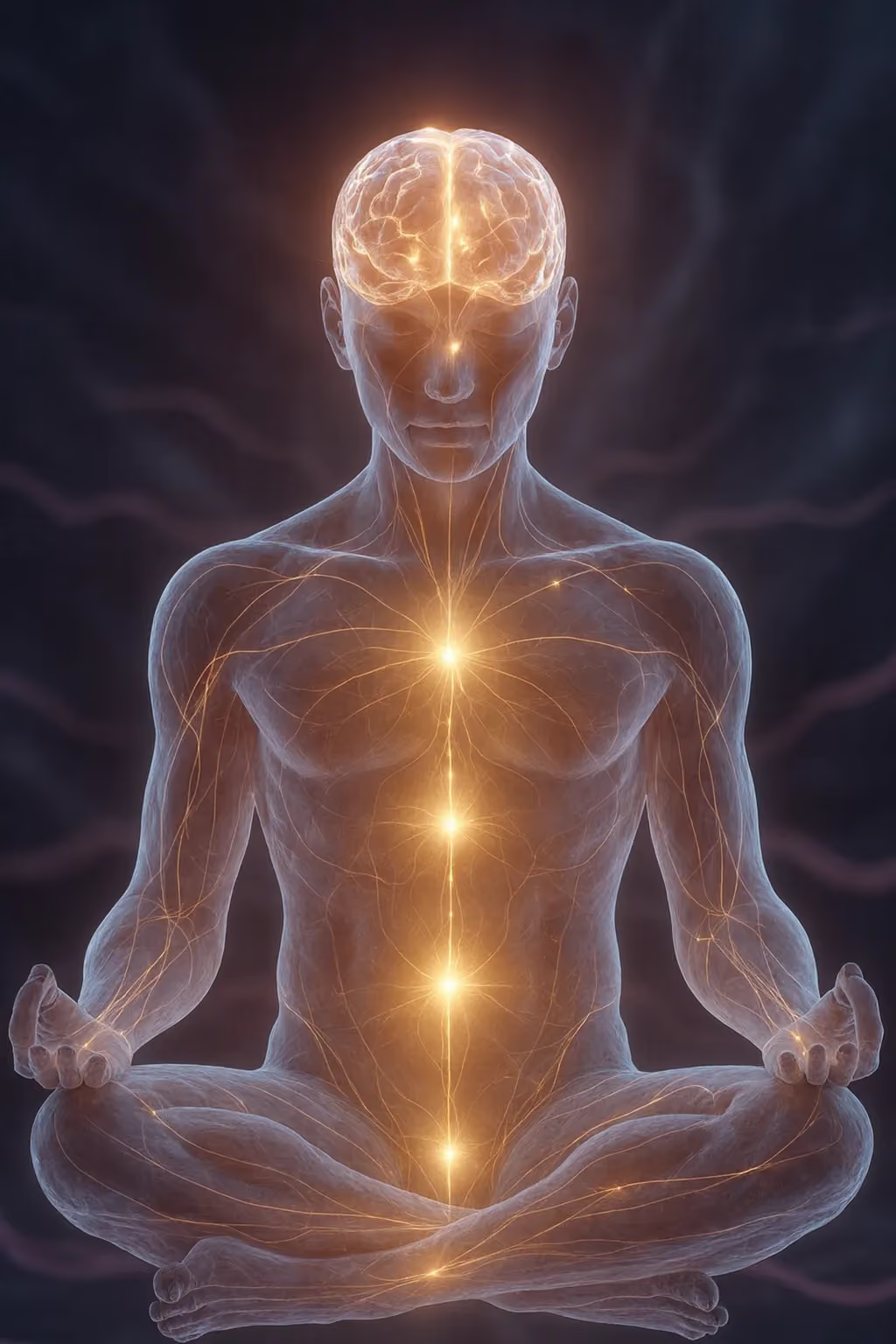
Why Elite Healthcare Providers Are Mastering Integrative Health
The future belongs to providers who refuse to be limited by traditional boundaries. Master the integration, lead the evolution.
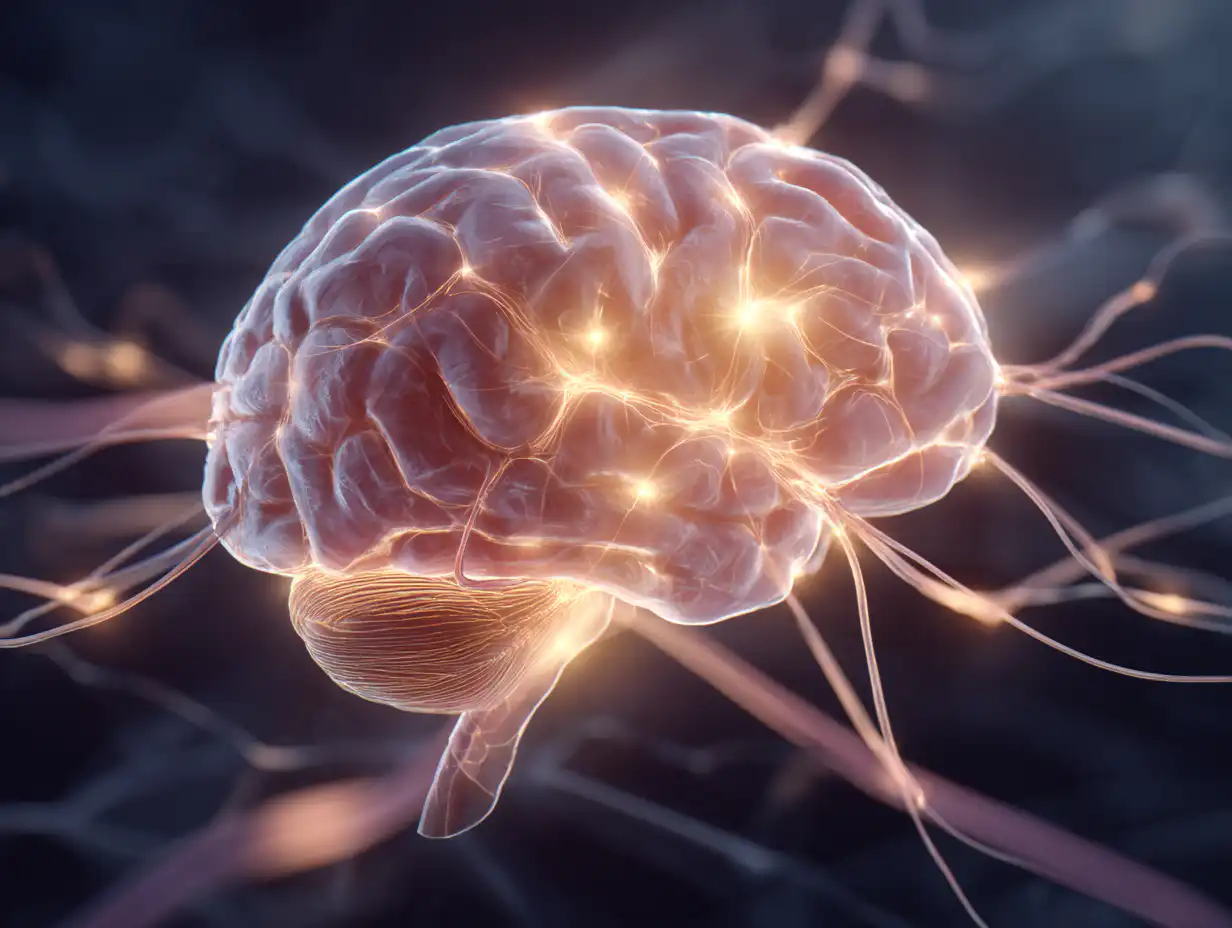
Functional Neurology: The Original Blueprint for Understanding the Dynamic Brain
Discover how functional neurology is transforming patient care worldwide. This post explores the origins of the movement pioneered by the Carrick Institute, its groundbreaking network model of brain function, and how clinicians use these principles to help complex cases that defy conventional treatments. From recalibrating sensory inputs to mastering dynamic brain interventions, learn why thousands of healthcare providers have embraced functional neurology to deliver life-changing outcomes.
Ready to bring Carrick Institute to your event?
Use the form below to tell us about your organization, audience, and goals. Our team will follow up with availability and speaker recommendations.
Get new articles delivered to your inbox
Stay updated on the latest in clinical neuroscience education—new articles, course releases, research spotlights, and more.